
What Makes a Smart Gadget Worth Buying?
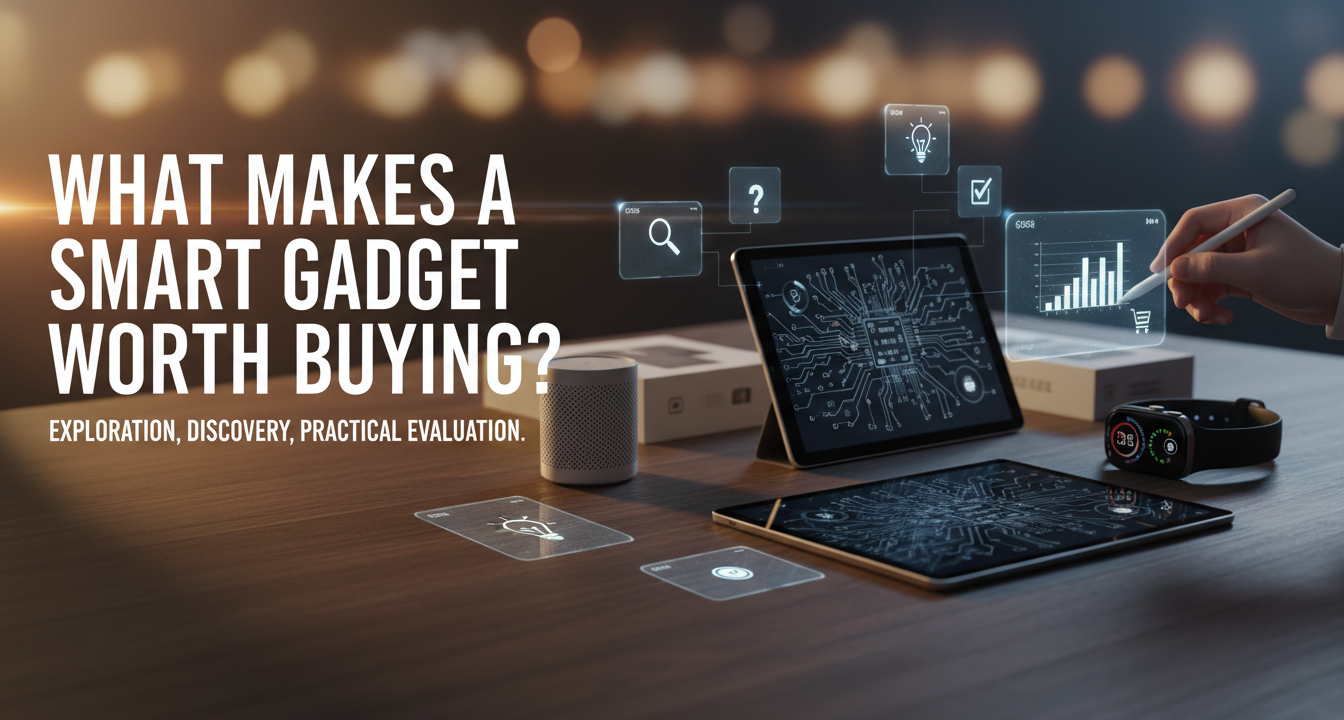
The allure of smart gadgets is undeniable. From thermostats that learn your habits to speakers that answer your every question, the promise of a more convenient, efficient, and connected life is constantly dangled before us. Yet, for every groundbreaking innovation, there are countless devices that end up gathering dust in a drawer, their initial novelty fading faster than their battery life. So, how do we discern the truly valuable from the merely flashy? How do we make informed decisions that ensure our smart purchases genuinely enhance our lives rather than just adding to the digital clutter?
This article isn’t about reviewing specific products or chasing the latest trends. Instead, it’s a framework designed to help you evaluate any smart gadget, regardless of its category or brand. We’ll explore the fundamental questions and criteria that separate a worthwhile investment from a regrettable impulse buy. Our goal is to equip you with the insights needed to make practical, intelligent choices in an ever-evolving technological landscape.
Beyond the Buzzwords: What “Smart” Truly Means
The term “smart” has become ubiquitous, often applied to anything with a Wi-Fi chip or Bluetooth connectivity. But true smartness goes far beyond mere connection. A truly smart gadget isn’t just controllable remotely; it offers genuine intelligence, automation, and data-driven insights that simplify tasks, save resources, or enhance experiences in a meaningful way.
Consider the difference: a basic Wi-Fi enabled light bulb that you can turn on and off with your phone is connected, but not necessarily intelligent. A truly smart lighting system, however, might learn your daily routines, adjust brightness and color temperature based on the time of day or your activity, detect occupancy to save energy, and integrate seamlessly with other home systems to create dynamic scenes. It’s the difference between a remote control and an autonomous assistant.
When evaluating a gadget, look past the marketing jargon. Ask yourself: Does this device merely offer remote control, or does it provide genuine automation, learning capabilities, or insightful data that I can act upon? Does it anticipate my needs or require constant manual input? The more a device can intelligently adapt and operate in the background, the closer it gets to being truly “smart” in a beneficial sense.
Solving a Real Problem, Not Just Creating a New One
Perhaps the most critical question to ask before buying any smart gadget is: What problem does this solve for me? Many smart devices are solutions looking for problems, offering features that sound impressive on paper but provide little practical benefit in daily life. A truly valuable smart gadget addresses a genuine pain point, streamlines a tedious process, or offers a capability that was previously difficult or impossible to achieve.
For instance, a smart lock solves the problem of lost keys, provides remote access for guests, and offers peace of mind through activity logs. A smart thermostat tackles energy waste and ensures comfort by optimizing heating and cooling schedules. A smart speaker offers instant access to information, entertainment, and control over other devices, freeing up your hands and attention. These devices aren’t just novelties; they provide tangible, everyday utility.
Before committing to a purchase, take a moment to reflect on your daily routines and challenges. Where do you experience friction? What tasks consume too much time or effort? What aspects of your home or life could be safer, more efficient, or more enjoyable? If a smart gadget can clearly articulate how it addresses one of these areas, it’s likely on the right track. If its primary appeal is simply that it’s “cool” or “futuristic,” proceed with caution.
- Does it save me time on a recurring task?
- Does it save me money through efficiency or reduced consumption?
- Does it improve my safety, security, or well-being?
- Does it simplify a complex or frustrating process?
- Does it offer a capability or convenience I genuinely need and will use regularly?
- Does it reduce mental load or decision fatigue?
Seamless Integration: Fitting into Your Digital Ecosystem
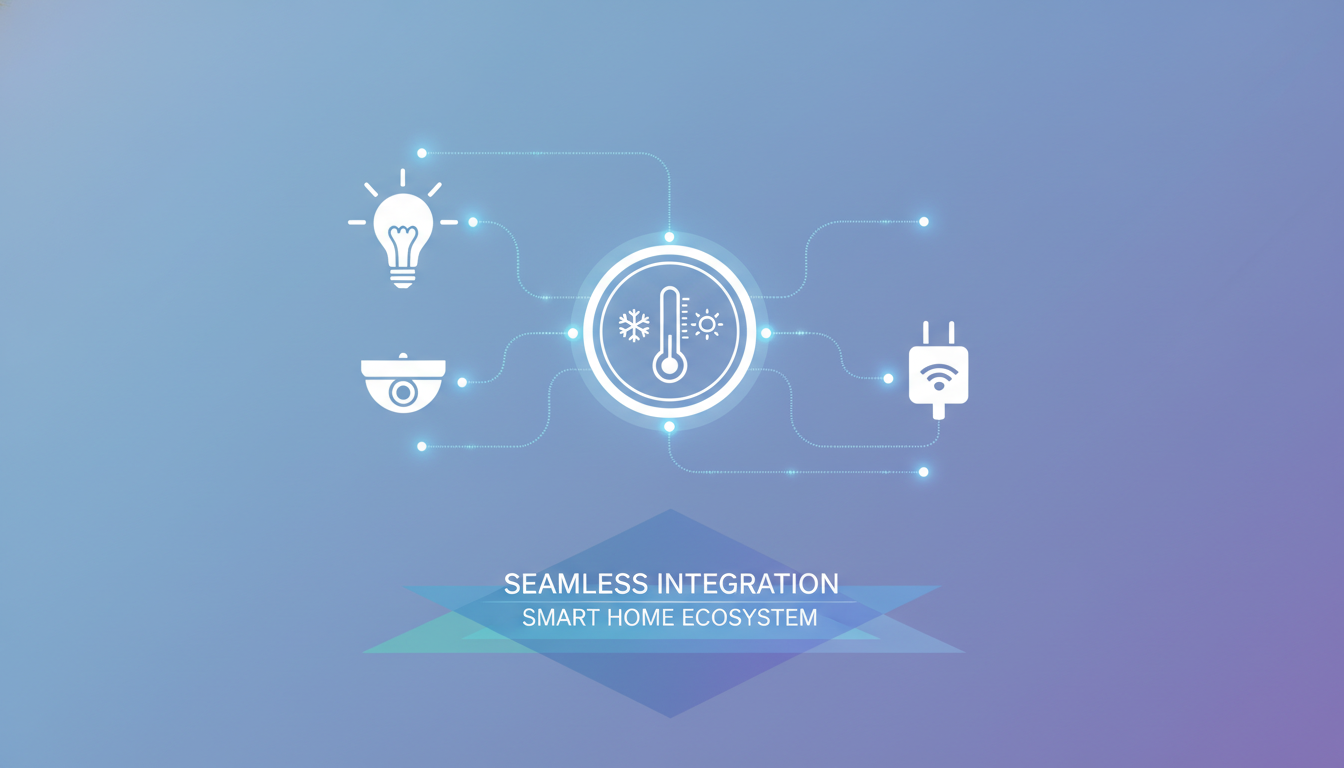
The true power of smart technology often lies in its ability to work harmoniously with other devices and platforms. A standalone smart gadget, no matter how brilliant, can quickly become an isolated island in your digital life. A worthwhile smart gadget integrates seamlessly into your existing digital ecosystem, whether that’s your smartphone, your preferred voice assistant, or other smart home hubs.
Consider compatibility. Does it work with iOS and Android? Is it compatible with popular voice assistants like Amazon Alexa, Google Assistant, or Apple HomeKit? Does it support open standards or common protocols like Zigbee or Z-Wave, which allow for broader interoperability? A device that plays well with others is far more valuable than one that forces you into a proprietary walled garden.
Ease of setup and ongoing management are also crucial. A complicated installation process or an unintuitive app can quickly negate any potential benefits. Look for devices that offer straightforward pairing, clear instructions, and an app interface that is easy to navigate and understand. The goal is to reduce friction, not introduce new layers of complexity.
Reliability, Durability, and Long-Term Support
A smart gadget is only as good as its longevity and the support it receives. Investing in a device that fails prematurely, becomes obsolete quickly, or stops receiving crucial updates is a waste of resources. When evaluating a purchase, consider the manufacturer’s reputation for hardware quality, software support, and customer service.
Durability is key. Is the device built with quality materials? Can it withstand the rigors of its intended environment, whether that’s outdoors, in a high-traffic area, or simply daily use? Reading user reviews about common failure points can provide valuable insights here.
The Importance of Software Updates
Software is the brain of any smart gadget, and regular updates are its lifeblood. These updates aren’t just about adding new features; they’re vital for security patches, bug fixes, and maintaining compatibility with evolving operating systems and other devices. A company that consistently provides software updates demonstrates a commitment to its products and its customers.
Conversely, a device that stops receiving updates becomes a security risk and can quickly lose functionality as the broader technological landscape shifts. Research a manufacturer’s track record for supporting older devices. A commitment to long-term software support is a strong indicator of a gadget’s potential for sustained value.
The Cost-Benefit Equation: Is the Value There?
The price tag of a smart gadget is only one part of its true cost. To determine if a device is truly worth buying, you need to consider the full cost-benefit equation, encompassing not just the initial purchase but also potential ongoing expenses and the tangible and intangible benefits it provides.
Hidden costs can include subscriptions for premium features, cloud storage, or enhanced security. Some devices require proprietary accessories or specific batteries. Energy consumption, while often minimal for individual devices, can add up in a fully smart home. Factor these into your overall assessment.
On the benefit side, quantify what you can. Does it save you money on energy bills? Does it save you a significant amount of time each week? Does it offer a level of convenience or peace of mind that you genuinely value? Sometimes, the benefits are qualitative – enhanced comfort, improved security, or simply the joy of a more streamlined home. Assigning a mental value to these can help you weigh them against the financial outlay.
Ultimately, the question is whether the total value derived from the gadget – in terms of savings, convenience, security, or enjoyment – outweighs its total cost over its expected lifespan. A cheap gadget that offers little utility is a poor investment, while a more expensive one that delivers substantial, long-term benefits can be an excellent one.
User Experience and Intuitive Design
A smart gadget, no matter how advanced its technology, will only be truly valuable if it’s easy and enjoyable to use. A clunky interface, confusing controls, or a steep learning curve can quickly turn a promising device into a source of frustration. The best smart gadgets fade into the background, performing their functions seamlessly and intuitively.
Consider the entire user experience, from the physical design of the device itself to the accompanying mobile app. Is the app well-designed, responsive, and easy to navigate? Are the controls clear and logical? Does the device respond quickly to commands, whether through touch, voice, or automation? A truly smart device should feel natural and effortless to interact with, enhancing your daily life without demanding constant attention or troubleshooting.
Accessibility is also an important aspect of user experience. Does the device offer options for users with different needs, such as voice control, larger text options, or compatibility with assistive technologies? A thoughtful design considers a broad range of users, ensuring that the benefits of the technology are accessible to as many people as possible.
Safeguarding Your Privacy and Security
As smart gadgets become more integrated into our homes and lives, they inevitably collect data about us. This data can range from our daily routines and energy consumption to our conversations and movements. Understanding and managing the privacy and security implications of any smart device is paramount.
Before purchasing, investigate the manufacturer’s privacy policy. While often lengthy, try to ascertain what data the device collects, how it’s stored, who it’s shared with, and for what purpose. Look for companies that prioritize user privacy, offer clear data management options, and have a strong track record of protecting user information.
Security is equally vital. Is the device’s connection encrypted? Does it offer robust authentication methods, such as two-factor authentication (2FA)? Are there regular security updates? A compromised smart device can become a gateway for malicious actors to access your home network or personal data. Prioritize devices from reputable manufacturers known for their commitment to security.
Here’s a privacy and security checklist for smart gadgets:
- Read the Privacy Policy: Understand what data is collected, how it’s used, and if it’s shared.
- Check for Data Encryption: Ensure data is encrypted both in transit and at rest.
- Verify Data Storage: Determine if data is stored locally on the device or in the cloud.
- Look for Opt-Out Options: Can you easily opt out of data sharing or targeted advertising?
- Enable Strong Authentication: Utilize two-factor authentication (2FA) if available.
- Review Permissions: Limit app permissions to only what’s necessary for functionality.
- Research Company Reputation: Investigate the manufacturer’s history with data breaches and privacy practices.
- Regularly Update Firmware: Keep the device’s software up-to-date for the latest security patches.
Future-Proofing and Adaptability
Technology evolves rapidly, and what’s cutting-edge today can be obsolete tomorrow. While no gadget can be truly 100% future-proof, some are designed with greater adaptability and longevity in mind. When making a significant investment, consider how well the device is positioned to adapt to future changes.
Does the gadget support open standards or common communication protocols that are likely to persist? Is it part of an ecosystem that regularly introduces new integrations and features? Can its functionality be expanded through software updates or modular accessories? Devices that are built on flexible platforms or that can integrate with a variety of other systems are more likely to remain relevant as technology progresses.
Avoid devices that lock you into a highly proprietary system with limited expansion options. While these might offer a seamless experience initially, they can quickly become isolated if the manufacturer decides to abandon the product line or if you wish to integrate with different technologies in the future. A smart gadget that demonstrates a clear path for future enhancements and compatibility is a more secure long-term investment.

Conclusion
The world of smart gadgets offers incredible potential to simplify, enhance, and connect our lives. However, navigating this landscape requires a discerning eye and a thoughtful approach. By moving beyond the initial hype and focusing on core principles – problem-solving, seamless integration, reliability, genuine value, intuitive user experience, robust privacy, and future adaptability – you can make choices that truly serve your needs.
Before your next smart gadget purchase, take a moment to apply this framework. Ask the critical questions. Consider the long-term implications. Don’t buy a gadget just because it’s “smart”; buy it because it intelligently and meaningfully improves a specific aspect of your life. By doing so, you’ll ensure that your smart investments are truly worth buying, bringing lasting value and genuine enhancement to your home and daily routines.