
The Best Smart Gadget Features to Pay For
In an era brimming with smart gadgets, from intelligent thermostats to voice-activated assistants and health trackers, the sheer volume of options can be overwhelming. Every new device promises to simplify your life, enhance your well-being, or connect you more deeply to your digital world. Yet, not all features are created equal, and discerning which ones genuinely add value versus those that are mere novelties is key to making wise investments. This guide aims to cut through the marketing hype, helping curious readers identify the premium smart gadget features that are truly worth the extra cost, offering practical advice and clear examples.
Beyond the Basics: Understanding Core Value
Before diving into specific features, it’s crucial to establish a foundational understanding of what makes a smart gadget truly valuable. It’s not just about connectivity; it’s about how that connectivity translates into tangible benefits. A premium smart gadget should solve a real problem, save you time, enhance your safety, improve your health, or provide a level of convenience that justifies its price tag. Often, the ‘smart’ aspect isn’t just about automation, but about intelligent data processing and adaptive learning that makes the device better over time.
The Pitfalls of Feature Overload
Many manufacturers pack their devices with an abundance of features, hoping to appeal to the widest possible audience. However, this often leads to ‘feature bloat,’ where a device becomes overly complex, difficult to use, and ultimately, less effective at its core purpose. The best smart gadgets often excel not by doing everything, but by doing a few things exceptionally well. When evaluating a potential purchase, ask yourself: how often will I actually use this feature? Does it genuinely improve my experience, or is it just a nice-to-have that I’ll forget about after a week?
Seamless Integration and Ecosystem Compatibility
One of the most powerful, yet often overlooked, features worth investing in is a gadget’s ability to seamlessly integrate with your existing smart home ecosystem. A standalone smart device might offer impressive individual capabilities, but its true potential is unlocked when it can communicate and cooperate with other devices. This creates a cohesive, automated environment where devices work in concert to anticipate your needs.
- Cross-Platform Compatibility: Look for devices that support major smart home platforms like Apple HomeKit, Google Home, or Amazon Alexa. This ensures broader compatibility and future-proofing.
- Open APIs and Developer Support: Gadgets with open application programming interfaces (APIs) allow for greater customization and integration with third-party services, expanding their utility beyond what the manufacturer initially intended.
- Unified Control: The ability to control multiple devices from a single app or voice command interface significantly enhances convenience and reduces friction in your daily routine.
Imagine your smart thermostat adjusting the temperature when your smart door lock detects you’ve left the house, or your smart lights dimming automatically when your smart TV turns on for movie night. These are the experiences that justify paying for superior integration.
Advanced Sensor Technology and Data Accuracy
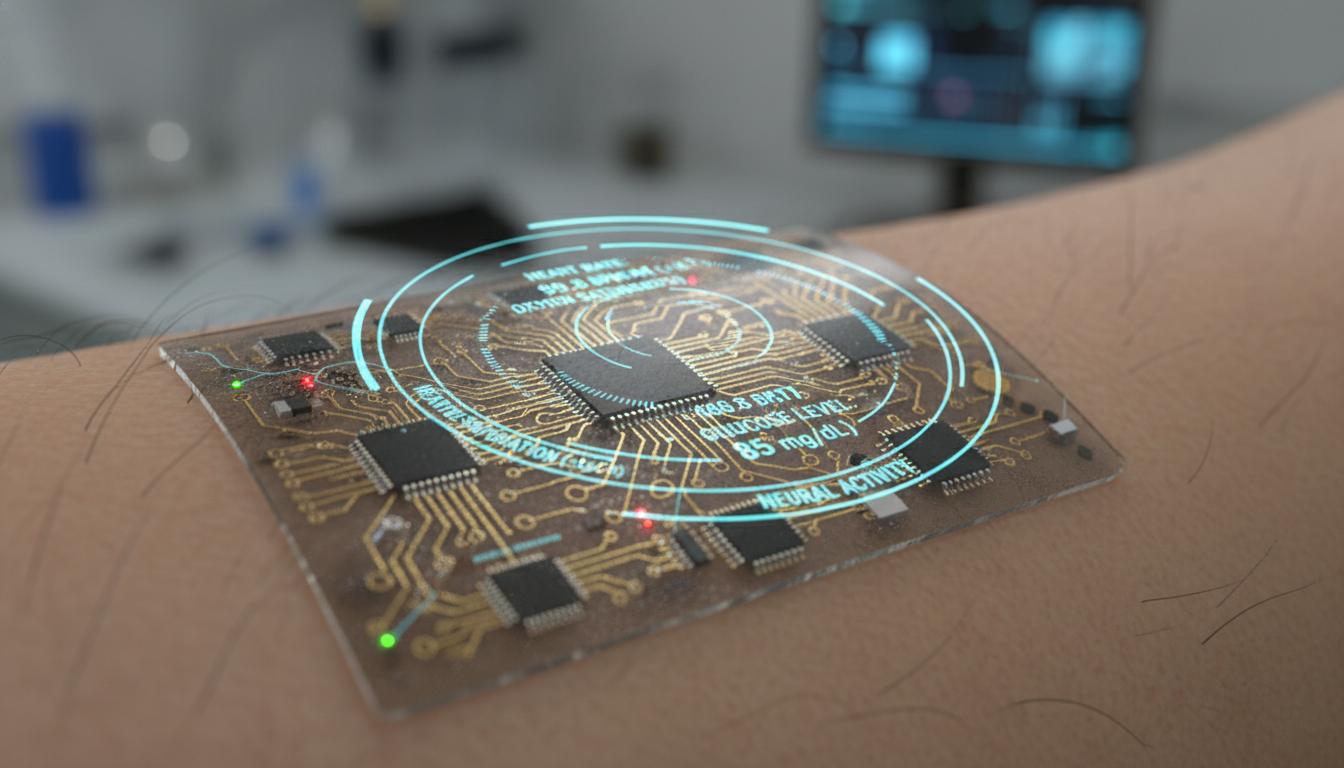
For smart gadgets that collect data – especially those related to health, environment, or security – the quality and accuracy of their sensors are paramount. This is a feature where cutting corners can lead to unreliable information, rendering the device less useful or even misleading.
For instance, a premium fitness tracker might incorporate medical-grade heart rate sensors, advanced accelerometers for precise step counting, and even SpO2 sensors for blood oxygen monitoring. These aren’t just marketing bullet points; they provide actionable insights into your health. Similarly, smart air quality monitors with highly sensitive particulate matter (PM2.5) and volatile organic compound (VOC) sensors offer a much clearer picture of your indoor environment than cheaper alternatives.
When evaluating, consider:
- Sensor Resolution and Precision: Higher resolution sensors can detect smaller changes and provide more granular data.
- Calibration and Self-Correction: Premium sensors often include self-calibration features or are rigorously calibrated during manufacturing to maintain accuracy over time.
- Environmental Adaptability: Sensors that perform reliably across a range of temperatures, humidity levels, or light conditions are more valuable.
Paying for superior sensor technology means you’re investing in reliable data, which is the foundation of any truly ‘smart’ decision or automation.
Robust Security and Privacy Features
In an increasingly connected world, the security and privacy of your data are non-negotiable. Smart gadgets, by their very nature, collect and transmit personal information, making them potential targets for cyber threats. Investing in devices with robust security features is not just a luxury; it’s a necessity.
What to look for:
- End-to-End Encryption: Ensures that data transmitted between your device, the cloud, and your app is encrypted and secure from interception.
- Regular Security Updates: Manufacturers committed to long-term security support will frequently release firmware updates to patch vulnerabilities.
- Two-Factor Authentication (2FA): An essential layer of security for accessing your device’s settings and data.
- Local Data Processing Options: Some premium devices offer the ability to process certain data locally, reducing reliance on cloud servers and enhancing privacy.
- Clear Privacy Policies: A transparent privacy policy that clearly outlines what data is collected, how it’s used, and how it’s protected is a hallmark of a trustworthy brand.
Avoid devices from manufacturers with a history of security breaches or vague privacy practices. The peace of mind that comes with knowing your home and personal data are secure is well worth the investment.
Long-Term Software Support and Updates
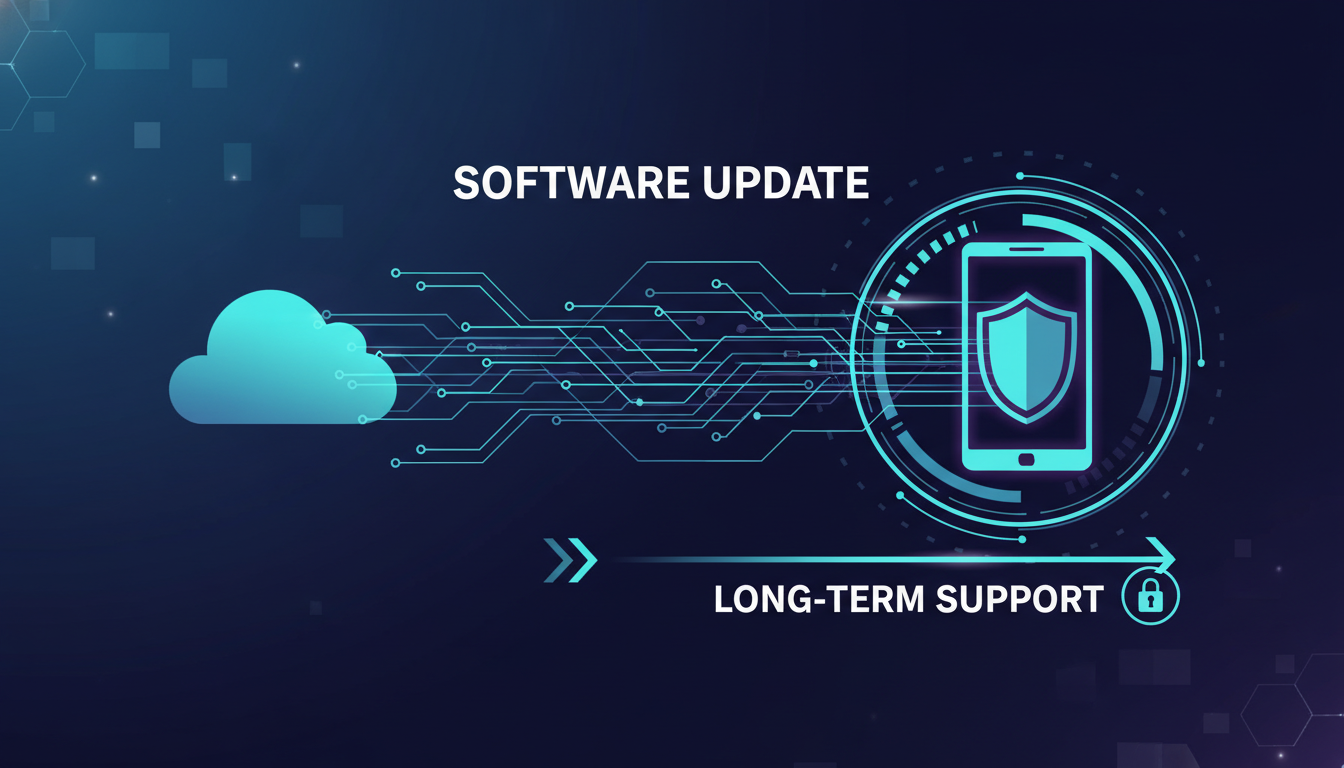
A smart gadget is only as smart as its software. Unlike traditional electronics, smart devices evolve over time through software updates. These updates can introduce new features, improve performance, enhance security, and fix bugs. A commitment to long-term software support is a strong indicator of a manufacturer’s dedication to their product and customers.
Consider the lifespan of your investment. A cheaper device might seem appealing upfront, but if it stops receiving updates after a year or two, it can quickly become obsolete, insecure, or incompatible with newer technologies. Premium devices, on the other hand, often receive updates for many years, extending their utility and value.
Before purchasing, research:
- Manufacturer’s Update History: Do they have a track record of consistent and timely software updates for their existing products?
- Stated Support Period: Some manufacturers explicitly state how long they intend to support a device with software updates.
- Community and Developer Engagement: An active community or developer program can sometimes extend the life and functionality of a device even beyond official support.
This feature ensures your gadget remains relevant and secure, maximizing its return on investment over its lifetime.
Superior Build Quality and Durability
While software defines a smart gadget’s intelligence, its physical construction determines its longevity. Investing in devices made with high-quality materials and robust engineering can save you money and frustration in the long run. Cheap plastics, flimsy connectors, and poorly sealed components are often indicators of a device designed for obsolescence.
Premium gadgets often feature:
- High-Grade Materials: Think aerospace-grade aluminum, tempered glass, or durable composites that resist wear and tear.
- Precision Engineering: Components that fit together perfectly, with no creaks or wobbles, indicate careful design and manufacturing.
- Environmental Resistance: Features like water resistance (IP ratings) or enhanced temperature tolerance are crucial for devices used in challenging environments (e.g., outdoor cameras, bathroom scales).
- User-Replaceable Components (where applicable): While less common in modern smart gadgets, the ability to easily replace batteries or certain modules can significantly extend a device’s life.
A durable device not only lasts longer but also often performs more reliably. It’s an investment in peace of mind, knowing your gadget can withstand the rigors of daily use.
Energy Efficiency and Sustainable Design
As consumers become more environmentally conscious, the energy footprint and sustainability of smart gadgets are increasingly important features. A premium device often incorporates advanced power management techniques and is designed with its environmental impact in mind.
Look for:
- Low Power Consumption: Devices that consume minimal power, especially in standby mode, reduce your electricity bill and carbon footprint.
- Energy Star Certification: For appliances and certain electronics, this certification indicates superior energy efficiency.
- Recyclable Materials: Manufacturers that use recycled materials or design their products for easier recycling at end-of-life demonstrate a commitment to sustainability.
- Repairability: While challenging in compact smart devices, some brands are making efforts to design products that are easier to repair, reducing electronic waste.
Choosing energy-efficient and sustainably designed gadgets aligns with responsible consumption and can offer long-term savings on energy costs.
User-Friendly Interfaces and Accessibility
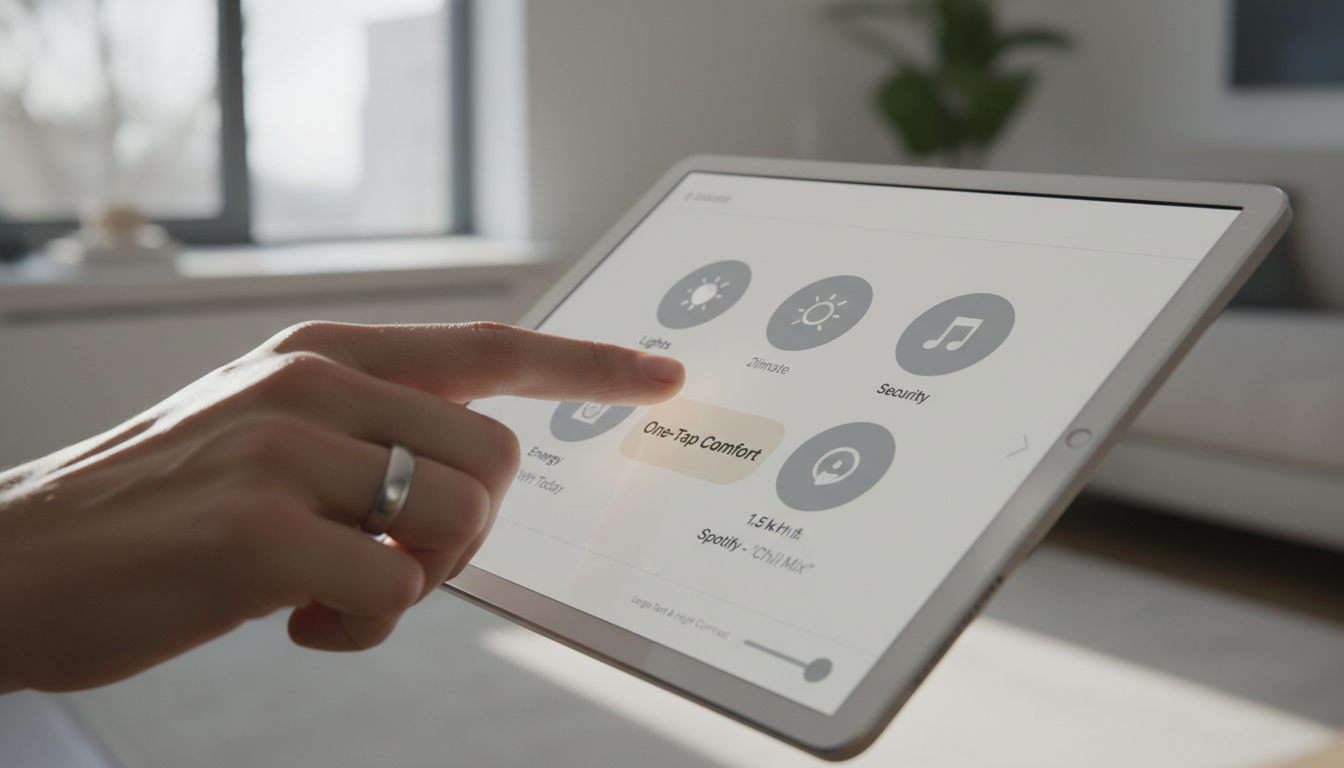
The most advanced features are useless if a gadget is difficult to operate. A truly premium smart device excels in its user experience, offering intuitive interfaces and robust accessibility options. This includes not just the physical controls on the device, but also its companion app and voice command integration.
Key indicators of a superior user experience:
- Intuitive App Design: A clean, uncluttered app that makes it easy to find settings, view data, and control the device.
- Responsive Controls: Whether physical buttons, touchscreens, or voice commands, the device should respond quickly and accurately to input.
- Clear Feedback: Visual, auditory, or haptic feedback that confirms commands and provides status updates.
- Accessibility Features: Support for screen readers, adjustable text sizes, color contrast options, and alternative input methods ensure the device is usable by a wider audience.
- Reliable Voice Assistant Integration: If it relies on voice commands, ensure the integration is smooth, responsive, and understands a wide range of commands and accents.
A device that is a joy to use, rather than a source of frustration, is a feature worth paying for. It ensures you’ll actually leverage its capabilities and integrate it seamlessly into your daily life.
Making Your Smart Gadget Investment Count
Navigating the smart gadget market requires a discerning eye. While the allure of cutting-edge technology is strong, the truly valuable features are often those that enhance reliability, security, longevity, and user experience. By prioritizing seamless integration, accurate sensors, robust security, long-term software support, superior build quality, energy efficiency, and user-friendly interfaces, you can make informed decisions that lead to genuinely useful and enduring additions to your smart home. Remember, the goal isn’t to own the most gadgets, but to own the right ones – those that truly make your life smarter, safer, and more convenient.