
How to Choose Connected Devices That Are Actually Helpful
In an increasingly interconnected world, our homes are rapidly transforming into smart ecosystems. From thermostats that learn our preferences to doorbells that show us who’s at the door, the promise of convenience and efficiency is compelling. Yet, for every genuinely helpful device, there seems to be another that adds more complexity than value, leaving us with gadget fatigue and buyer’s remorse. The challenge isn’t just about finding a ‘smart’ device, but finding one that is actually helpful for your unique needs and lifestyle.
This article isn’t about reviewing specific products or brands. Instead, it’s an exploration into the mindset and practical considerations necessary to make informed choices in a crowded market. We’ll delve into how to cut through the marketing hype, understand what truly matters, and ultimately, select connected devices that genuinely simplify, secure, or enhance your daily life without becoming another source of frustration.
Understanding the “Why” Before the “What”
Before you even begin browsing for the latest smart gadget, pause and ask yourself a fundamental question: What problem am I trying to solve? Or, what specific aspect of my life do I want to improve? The most helpful connected devices are those that address a clear need, not just those that offer a novel feature.
Consider these scenarios:
- Energy Efficiency: Are your utility bills consistently high? A smart thermostat that learns your schedule and optimizes heating/cooling could be genuinely helpful.
- Home Security: Do you worry about package deliveries when you’re away, or want to monitor your home’s perimeter? A smart doorbell or security camera system might be a practical solution.
- Convenience and Accessibility: Do you often forget to turn off lights, or struggle with reaching switches? Smart lighting or voice-controlled assistants can offer significant convenience.
- Health and Wellness: Are you tracking fitness goals or monitoring specific health metrics? Wearable devices or smart scales can provide valuable insights.
Without a clear ‘why,’ you risk purchasing devices that sit unused, adding to digital clutter rather than reducing it. A needs-first approach ensures that your investment translates into tangible benefits.
Beyond the Hype: Practicality Over Novelty
The tech world thrives on innovation, and often, new features are marketed with great fanfare. However, a ‘smart’ feature doesn’t automatically equate to a ‘useful’ feature. It’s crucial to distinguish between what’s cool and what’s genuinely practical for your everyday life.
Think about how a device will integrate into your existing routines. Will it save you time, effort, or money? Or will it require new habits, complex setups, or constant troubleshooting? A smart coffee maker that brews your coffee automatically at a set time might be practical. A smart toaster that analyzes your bread type and adjusts settings might be novel, but does it offer a significant improvement over a traditional toaster you already know how to use?
Focus on core functionalities and how they align with your actual usage patterns. Sometimes, the simplest solution is the best, even if it’s not the ‘smartest.’
The Ecosystem Question: Compatibility and Integration
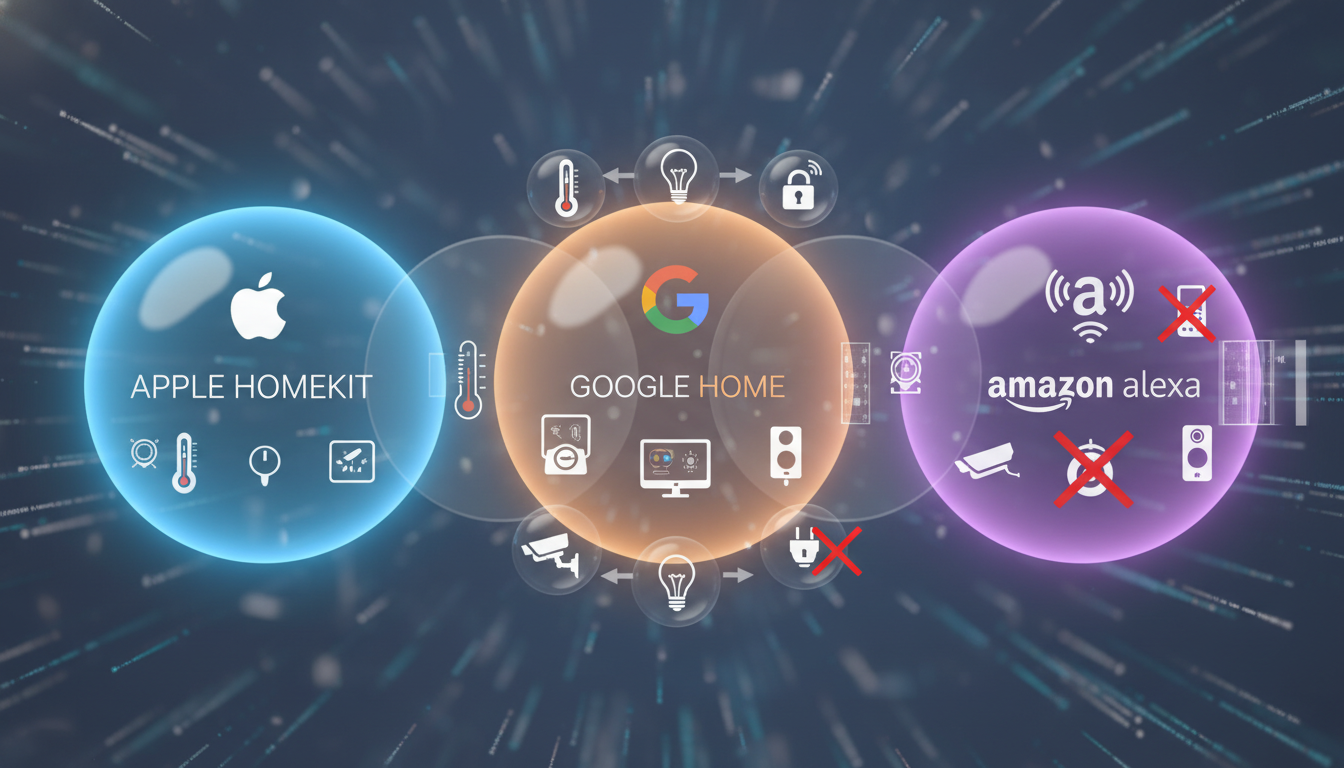
One of the biggest hurdles in building a truly helpful connected home is ensuring that your devices can communicate and work together seamlessly. A collection of disparate smart gadgets that don’t interact can quickly become more frustrating than helpful. This is where the concept of an ‘ecosystem’ becomes vital.
Major players like Apple HomeKit, Google Home, Amazon Alexa, and Samsung SmartThings offer their own ecosystems, each with a range of compatible devices and integration capabilities. Before committing to a new device, consider your existing smart gadgets and which ecosystem they belong to. Sticking to one primary ecosystem or ensuring cross-compatibility can prevent headaches down the line.
Open vs. Closed Ecosystems
Closed Ecosystems: These are typically controlled by a single company (e.g., Apple HomeKit). They often offer a highly polished, secure, and integrated experience, but with less flexibility in device choice. If you’re deeply invested in one brand’s products, this might be a natural fit.
Open Ecosystems: These support a wider range of devices from various manufacturers, often using universal communication protocols like Zigbee or Z-Wave. While offering greater flexibility and choice, they might require a central hub and can sometimes be more complex to set up and manage. The benefit is future-proofing and avoiding vendor lock-in.
The goal is to create a harmonious environment where your devices enhance each other’s functionality, rather than operating in isolation.
Privacy and Security: Your Digital Guardians
Every connected device, by its very nature, collects and transmits data. This raises significant concerns about privacy and security. Choosing helpful devices also means choosing devices that respect your privacy and protect your data from unauthorized access.
Before purchasing, research the manufacturer’s reputation for privacy and security. Look for devices that offer:
- Data Encryption: Ensuring that data transmitted between the device, its app, and cloud servers is encrypted.
- Clear Privacy Policies: Understand what data is collected, how it’s used, and whether it’s shared with third parties.
- Regular Security Updates: Manufacturers should consistently release software updates to patch vulnerabilities.
- Strong Authentication Options: Support for two-factor authentication (2FA) for device access and app logins.
- User Control: The ability to control microphone and camera access, data sharing preferences, and delete your data.
A helpful device should never come at the cost of your digital safety or personal privacy. Be wary of devices from unknown manufacturers or those with vague privacy statements.
Longevity and Support: Investing in the Future
Connected devices are not static. They rely on software, cloud services, and ongoing support from their manufacturers. A device that works perfectly today might become obsolete or insecure tomorrow if it doesn’t receive regular updates or if its supporting services are discontinued.
When choosing a device, consider the manufacturer’s track record for long-term support. How often do they release software updates? Do they have a clear end-of-life policy for their products? Investing in a device from a reputable company with a commitment to ongoing support ensures that your gadget remains helpful and secure for years to come.
Software Updates and End-of-Life Policies
Software updates are critical for patching security vulnerabilities, adding new features, and maintaining compatibility with evolving operating systems and other devices. A device that stops receiving updates becomes a security risk and may lose functionality over time. Similarly, a manufacturer’s ‘end-of-life’ policy dictates when they will cease supporting a product, which can render a device useless if it relies heavily on cloud services.
Look for transparency in these areas. A company that clearly communicates its support policies demonstrates a commitment to its customers and the longevity of its products.

User Experience: Simplicity is Key
The most helpful connected devices are those that are intuitive to set up, easy to use, and reliable in their operation. A device with a steep learning curve or a frustrating app interface will quickly negate any potential benefits it offers.
Consider the following aspects of user experience:
- Setup Process: Is it straightforward, or does it require complex technical knowledge?
- App Interface: Is the accompanying mobile app well-designed, responsive, and easy to navigate?
- Reliability: Does the device consistently perform its intended function without glitches or frequent disconnections?
- Control Options: Does it offer multiple ways to interact (e.g., app, voice control, physical buttons) to suit different preferences and situations?
- Family Friendliness: If others in your household will use it, is it simple enough for everyone to operate?
A truly helpful device integrates seamlessly into your life, becoming an invisible assistant rather than a demanding gadget that requires constant attention.
The Cost of Convenience: Hidden Expenses and Subscriptions
The initial purchase price of a connected device is often just the beginning of its total cost of ownership. Many smart gadgets come with hidden expenses or require ongoing subscription fees to unlock their full potential or maintain certain functionalities.
Before buying, investigate:
- Subscription Services: Does the device require a monthly or annual subscription for cloud storage (e.g., for security camera footage), advanced features, or premium content? These costs can add up significantly over time.
- Required Accessories: Does it need a separate hub, bridge, or specific accessories to function?
- Energy Consumption: While often minor, some devices consume more power than others, impacting your electricity bill.
- Data Usage: If the device relies on cellular data, consider those costs.
Factor these potential ongoing costs into your decision-making process to avoid unwelcome surprises and ensure the device remains financially helpful in the long run.
A Practical Framework for Choosing
To summarize our exploration, here’s a practical checklist to guide you in choosing connected devices that are genuinely helpful:
- Identify Your Core Need: What specific problem are you solving or what improvement are you seeking? Avoid buying for novelty alone.
- Evaluate Practical Utility: Does the device offer a tangible, daily benefit that outweighs its complexity? Will you actually use its ‘smart’ features regularly?
- Check Ecosystem Compatibility: Does it integrate well with your existing smart home setup (or your chosen ecosystem)? Avoid isolated gadgets.
- Investigate Privacy & Security: Research the manufacturer’s reputation, data handling practices, and security features. Prioritize devices with strong privacy controls and regular updates.
- Assess Longevity & Support: Look for manufacturers with a track record of consistent software updates and clear end-of-life policies.
- Prioritize User Experience: Is the device easy to set up, intuitive to use, and reliable in its operation? Simplicity is key.
- Account for Total Cost: Consider not just the purchase price, but also potential subscription fees, required accessories, and energy consumption.
- Read Independent Reviews (Critically): Look for insights into real-world performance, common issues, and long-term satisfaction from unbiased sources.
By following this framework, you can move beyond the allure of the latest gadget and make thoughtful, informed decisions that lead to a truly helpful and harmonious connected home.

Connected devices have the potential to enrich our lives, offering unparalleled convenience, security, and efficiency. However, their true value lies not in their ‘smartness’ alone, but in their ability to genuinely serve our needs and integrate seamlessly into our lives. By adopting a curious, practical, and discerning approach, you can navigate the vast landscape of smart gadgets and discover those that are truly helpful, making your home smarter in ways that truly matter to you.