






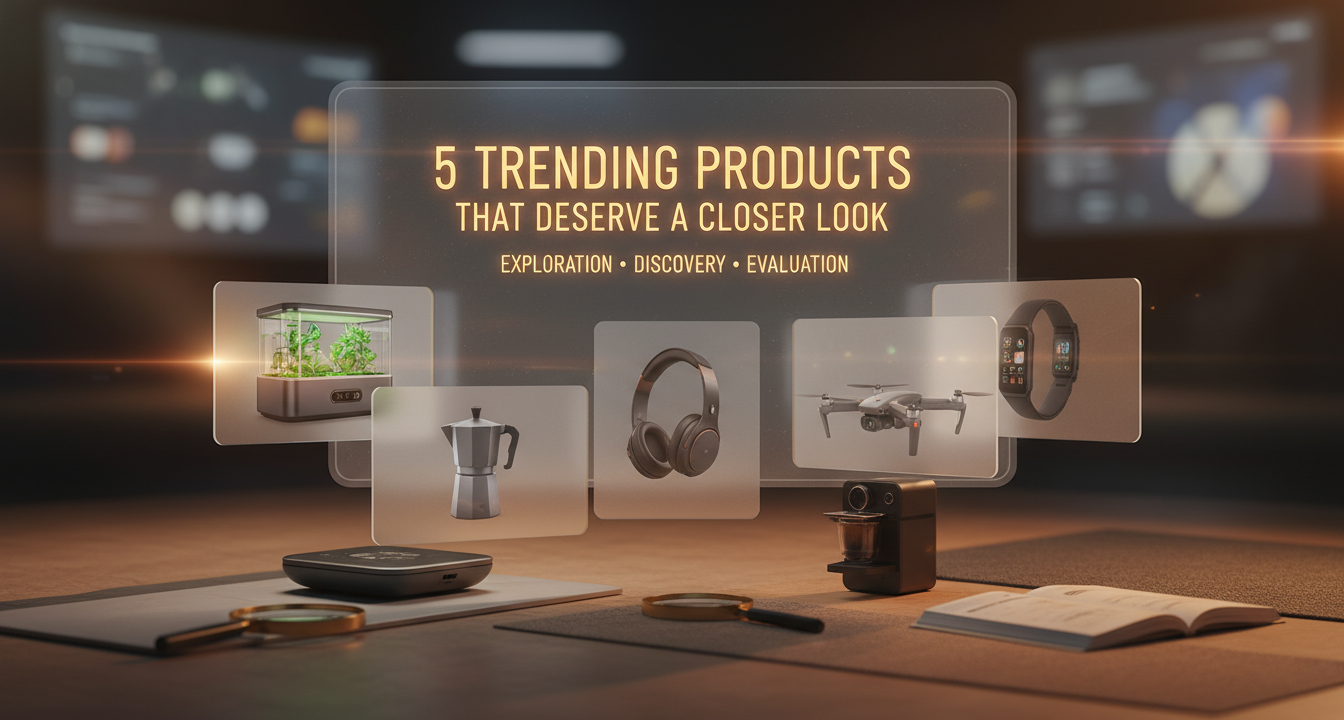
5 Trending Products That Deserve a Closer Look
In an ever-evolving landscape of innovation, certain products quietly emerge from the noise, not with a bang of marketing hype, but with a steady hum of genuine utility. These aren’t just fleeting fads; they represent thoughtful solutions to common challenges, offering tangible improvements to our daily routines, health, and overall well-being. For the curious mind eager to explore what’s genuinely valuable amidst the constant stream of new releases, a closer look at these trending items reveals a commitment to practicality, efficiency, and a touch of ingenuity.
This exploration is for those who appreciate substance over flash, seeking tools that integrate seamlessly into life, providing clear benefits without unnecessary complexity. We’ll delve into five such products that have been steadily gaining traction, examining their core appeal, how they function, and the practical ways they can enrich your experience. From enhancing the air you breathe to optimizing your learning journey, these items invite a deeper understanding of how thoughtful design and technology can serve us better, offering actionable takeaways for anyone looking to make informed choices about the tools they bring into their world.
1. The Rise of Advanced Home Air Quality Monitors
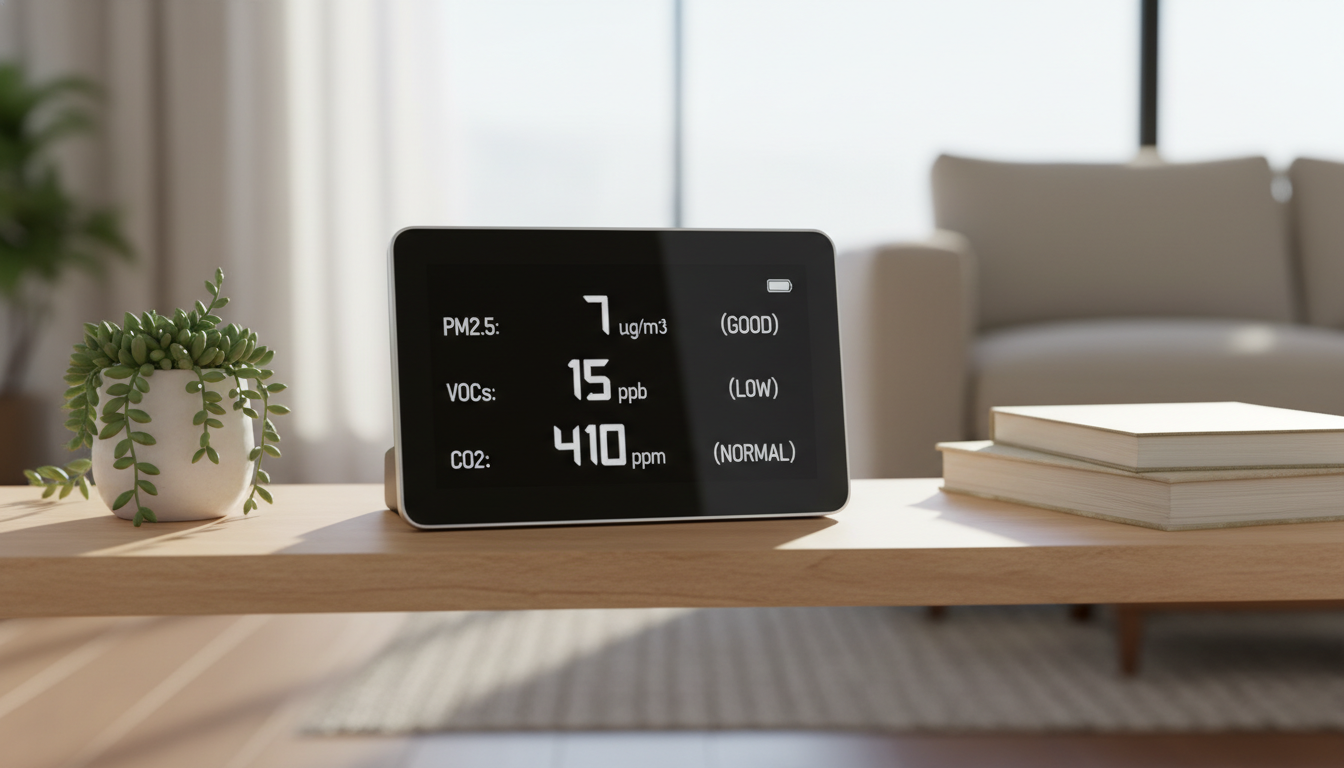
The air we breathe indoors often goes unnoticed, yet it can be significantly more polluted than outdoor air, impacting everything from our sleep quality to our long-term health. Advanced home air quality monitors are no longer niche gadgets; they’re becoming essential tools for understanding and managing our immediate environments. These devices move beyond simple temperature and humidity readings, offering comprehensive insights into various airborne pollutants that can affect our well-being.
What makes these monitors particularly compelling is their ability to demystify the invisible. They provide real-time data on particulate matter (PM2.5, PM10), volatile organic compounds (VOCs), carbon dioxide (CO2), and sometimes even formaldehyde and radon. This level of detail empowers individuals to identify specific issues, whether it’s off-gassing from new furniture, inadequate ventilation, or allergens from pets and dust. Understanding these factors is the first step toward creating a healthier living space.
Practical applications extend beyond mere awareness. With precise data, you can make informed decisions about ventilation, air purification, and even the types of cleaning products you use. For instance, a sudden spike in VOCs after cleaning might prompt a switch to eco-friendly alternatives, or consistently high CO2 levels could indicate a need for more frequent window opening or better HVAC system management. Some advanced models even integrate with smart home systems, automatically triggering air purifiers or humidifiers when certain thresholds are met, offering a truly proactive approach to indoor air management.
Key Benefits of Monitoring Your Indoor Air:
- Health Awareness: Identify potential irritants and allergens that could be affecting respiratory health, sleep, and overall comfort.
- Targeted Solutions: Pinpoint specific pollutants to choose the most effective air purifiers, dehumidifiers, or ventilation strategies.
- Energy Efficiency: Optimize ventilation without over-cooling or over-heating, by understanding when fresh air is truly needed.
- Peace of Mind: Gain confidence that your home environment is conducive to good health for yourself and your family.
- Behavioral Adjustments: Learn how daily activities (cooking, cleaning, even sleeping patterns) impact air quality and adjust habits accordingly.
These monitors transform an abstract concern into actionable data, making the invisible visible and providing a clear path toward a healthier home. They are a prime example of how technology can serve our fundamental need for well-being, offering a practical lens through which to view and improve our immediate surroundings.
2. Smart Reusable Notebooks and Digital Paper Tablets
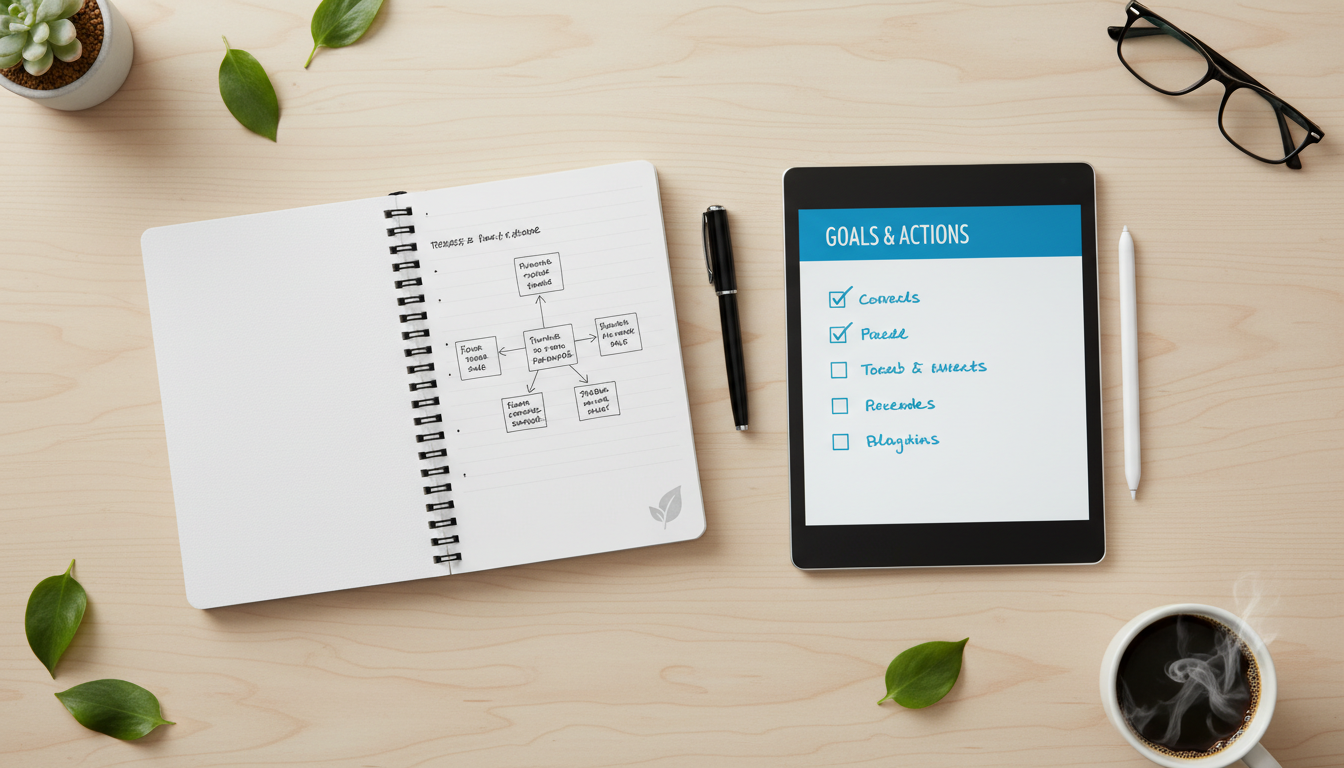
In an age where digital reigns supreme, the tactile experience of writing often feels like a cherished relic. Smart reusable notebooks and digital paper tablets bridge this gap, offering the best of both worlds: the natural feel of pen on paper combined with the boundless possibilities of digital storage and organization. These innovative tools are gaining significant traction among students, professionals, and anyone looking to reduce paper waste while streamlining their note-taking and creative processes.
The core appeal lies in their reusability. Unlike traditional notebooks that fill up and get archived (or discarded), these devices allow users to write, draw, and brainstorm on specialized surfaces that can be easily wiped clean or digitally saved. This not only contributes to environmental sustainability by reducing paper consumption but also offers a virtually limitless canvas for ideas.
Digital paper tablets, often featuring E Ink displays, take this concept further by providing a distraction-free writing and reading experience that mimics real paper, without the eye strain associated with backlit screens. They often come with advanced features like handwriting recognition, cloud synchronization, and the ability to organize notes into digital folders, making them powerful tools for productivity and knowledge management. The ability to convert handwritten notes into editable text opens up new avenues for collaboration and accessibility.
Integrating a Smart Reusable Notebook into Your Workflow:
- Define Your Use Case: Are you primarily sketching, taking meeting notes, journaling, or brainstorming? Understanding your main purpose will help you choose the right features.
- Master the Erasing Method: Whether it’s a damp cloth for a physical notebook or a digital eraser tool, practice clearing your pages efficiently.
- Establish a Digital Archiving System: Use the companion app to scan and save your notes to cloud services (like Google Drive, Dropbox, or Evernote) immediately after creation. Organize them with clear naming conventions and folders.
- Utilize OCR (Optical Character Recognition): If your device or app supports it, convert handwritten notes to searchable text. This makes finding specific information much faster.
- Experiment with Templates: Many smart notebooks offer various templates (lined, dotted, blank, planners) to suit different tasks. Don’t be afraid to switch them up.
- Integrate with Calendars/Task Managers: Some advanced tablets allow direct integration, turning handwritten to-dos into actionable digital tasks.
These products represent a thoughtful evolution in how we interact with information, offering a blend of traditional comfort and modern efficiency. They encourage a more mindful approach to note-taking, fostering creativity while simultaneously promoting organization and environmental responsibility.
3. Ergonomic Desk Peripherals: Beyond the Basic Setup
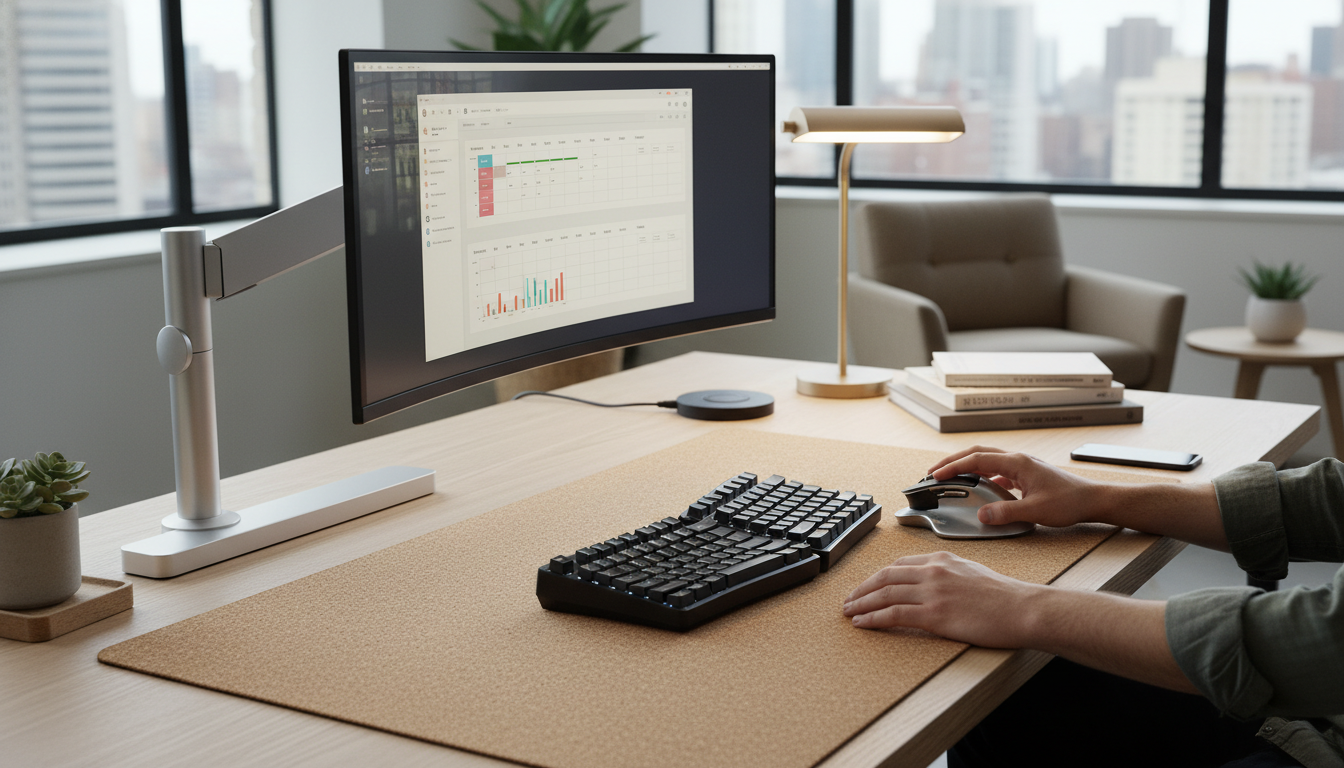
With the widespread shift towards remote and hybrid work models, the importance of a comfortable and healthy workspace has never been more apparent. Ergonomic desk peripherals are no longer just for specialized roles; they are becoming essential for anyone spending significant time at a desk. This trend goes beyond a simple ergonomic chair, encompassing a range of innovative tools designed to mitigate the physical strains of prolonged computer use and enhance overall well-being.
The focus here is on proactive health management. Products like advanced standing desk converters with integrated cable management and monitor arms, specialized ergonomic mice that promote a natural hand position, and split or contoured keyboards designed to reduce wrist strain are leading the charge. These aren’t just about comfort; they’re about preventing repetitive strain injuries, improving posture, and boosting long-term productivity by reducing discomfort and fatigue.
What makes these trending is their increasing accessibility and the growing awareness of their benefits. Manufacturers are innovating with modular designs, customizable settings, and aesthetically pleasing options that fit seamlessly into modern home and office environments. The emphasis is on adjustability and personalization, recognizing that one size does not fit all when it comes to human anatomy and work habits.
Key Considerations for Ergonomic Upgrades:
- Adjustability: Can the peripheral be easily adjusted to fit your unique body dimensions and preferred working posture? Look for height, tilt, and angle adjustments.
- Natural Positioning: Does it encourage a neutral posture for your wrists, arms, neck, and back? For mice, this often means a vertical or semi-vertical grip. For keyboards, a split or tented design can be beneficial.
- Material Quality: Are the materials durable and comfortable for long-term contact? Breathable fabrics for armrests or smooth, non-slip surfaces for mice are important.
- Integration with Existing Setup: Will it fit well with your current desk, monitor, and other equipment? Consider space requirements and compatibility.
- Ease of Use: Is it intuitive to set up and adjust? Complex systems can deter consistent use.
- Specific Pain Points: Identify where you experience discomfort. If it’s wrist pain, a vertical mouse might be key. If it’s neck strain, a monitor arm for optimal screen height is crucial.
- Trial Period: If possible, choose products with a good return policy to ensure they genuinely improve your comfort and workflow.
Investing in thoughtful ergonomic peripherals is an investment in your long-term health and productivity. It’s about creating a workspace that supports your body, allowing you to focus on your tasks without the distraction of discomfort.
4. Micro-Learning Platforms for Niche Skill Acquisition
In a world that demands continuous learning and adaptation, the traditional model of lengthy courses and degrees can often feel overwhelming and time-consuming. Micro-learning platforms are emerging as a powerful alternative, offering bite-sized, focused educational content designed for efficient skill acquisition. This trend caters to the modern learner’s need for flexibility, immediate applicability, and the ability to fit education into busy schedules.
These platforms specialize in breaking down complex subjects into manageable modules, often delivered through short videos, interactive quizzes, infographics, or quick articles. The content is highly targeted, focusing on specific skills or concepts rather than broad overviews. This approach is particularly effective for acquiring niche skills, staying updated in rapidly changing industries, or simply exploring new interests without a significant time commitment.
What makes micro-learning compelling is its practicality. Learners can often complete a module in just a few minutes, making it ideal for commutes, short breaks, or before-bed learning sessions. The immediate feedback loops and practical exercises reinforce learning, ensuring that knowledge is not just consumed but truly absorbed and applicable. From mastering a new software feature to understanding a specific economic concept or learning basic phrases in a new language, micro-learning makes continuous personal and professional development accessible to everyone.
Advantages of Embracing Micro-Learning:
- Time Efficiency: Learn new skills in short bursts, fitting education into even the busiest schedules.
- High Engagement: Short, focused content and interactive elements keep learners engaged and motivated.
- Targeted Skill Development: Acquire specific, immediately applicable skills without extraneous information.
- Flexibility: Learn anytime, anywhere, on any device, adapting to individual learning preferences and pace.
- Reduced Cognitive Load: Breaking down information into smaller chunks makes it easier to process and retain.
- Cost-Effective: Many platforms offer affordable subscriptions or free content, making continuous learning more accessible.
Micro-learning platforms are not just about consuming information; they are about empowering individuals to take control of their learning journey, fostering a culture of continuous growth and adaptability in a fast-paced world. They represent a shift towards more personalized and efficient educational experiences.
5. Personalized Hydration Tracking Systems
Hydration is fundamental to health, yet many of us struggle to consistently drink enough water throughout the day. Personalized hydration tracking systems are stepping up to address this challenge, moving beyond simple water bottles to offer smart solutions that monitor intake, provide personalized recommendations, and even optimize water quality. This trend reflects a broader movement towards data-driven wellness and proactive health management.
These systems often involve smart water bottles that connect to smartphone apps, tracking every sip and reminding users when it’s time to drink. But the innovation doesn’t stop there. Some advanced systems consider individual factors like activity level, climate, body weight, and even other health data to provide highly personalized hydration goals. This level of customization ensures that recommendations are truly relevant to the user’s unique needs, rather than generic advice.
Beyond tracking, some products integrate advanced filtration or even mineral-balancing technologies, ensuring that the water consumed is not only sufficient in quantity but also optimal in quality. The appeal lies in making a simple, yet crucial, health habit effortless and intelligent. By removing the guesswork and providing gentle nudges, these systems help users build sustainable hydration habits that contribute significantly to energy levels, cognitive function, and overall physical health.
Practical applications include setting daily goals, receiving reminders, and visualizing progress over time. For athletes, these systems can be invaluable for optimizing performance and recovery. For office workers, they can combat the common issue of forgetting to drink amidst busy tasks. For anyone looking to improve their general well-being, a personalized approach to hydration can be a surprisingly impactful change.
Making the Most of Your Hydration Tracker:
- Set Realistic Goals: Start with achievable daily targets and gradually increase as you build the habit.
- Customize Reminders: Adjust notification frequency and tone to find what works best for you without being intrusive.
- Integrate with Other Health Apps: If your system allows, connect it with fitness trackers or health apps for a holistic view of your wellness data.
- Understand Your Body’s Needs: Pay attention to how different activity levels or environments impact your hydration requirements and adjust your goals accordingly.
- Experiment with Water Temperature/Flavor: Sometimes, simply having cold water or adding a natural flavor (like lemon or cucumber) can make drinking more appealing.
- Review Your Progress: Regularly check your tracking data to identify patterns and celebrate consistent hydration.
Personalized hydration tracking systems transform a basic biological need into an intelligent, manageable health goal, empowering individuals to take a more active and informed role in their daily wellness.
Embracing Thoughtful Discovery
The world of products and innovations is vast and ever-expanding, but not all new developments are created equal. The five trending items we’ve explored—advanced home air quality monitors, smart reusable notebooks, ergonomic desk peripherals, micro-learning platforms, and personalized hydration tracking systems—stand out because they offer more than just novelty. They provide practical, thoughtful solutions to real-world challenges, enhancing our health, productivity, and overall quality of life.
For the curious reader, the journey of discovery is about discerning genuine utility from fleeting trends. It’s about asking how a product truly serves a purpose, simplifies a process, or improves a fundamental aspect of daily living. These examples demonstrate that innovation doesn’t always have to be revolutionary; sometimes, it’s about refining existing concepts or applying technology in a way that makes essential habits easier to maintain and more effective.
As you navigate the marketplace, remember to approach new products with a discerning eye, prioritizing those that offer clear benefits, integrate seamlessly into your life, and align with your personal values. By focusing on practicality, sustainability, and genuine well-being, you can make informed choices that truly enrich your experience, transforming your environment and habits for the better. The most valuable discoveries are often those that empower us to live more thoughtfully and effectively.