






A Smarter Way to Review Trending Products
In an age of constant innovation and relentless marketing, new products emerge daily, vying for our attention and our wallets. From groundbreaking gadgets to lifestyle enhancers, the allure of what’s ‘trending’ is powerful. But how do we discern genuine value from fleeting fads? How can we move beyond the initial buzz to make choices that truly serve our needs and stand the test of time? This article isn’t about reviewing specific products; it’s about equipping you with a smarter, more systematic approach to evaluating any trending item that catches your eye. It’s about empowering you to become a more discerning consumer, one who understands the underlying mechanics of a trend and can confidently assess whether a product truly aligns with their life.
The goal here is to transform your approach from reactive consumption to proactive, informed discovery. We’ll explore methods for cutting through the noise, identifying genuine utility, and making decisions that you won’t regret a few months down the line. Let’s embark on a journey to smarter product discovery.
Understanding the Allure of the Trend Cycle
Before we dive into evaluation, it’s crucial to understand why certain products trend in the first place. Trends are often fueled by a combination of factors: technological advancements, shifts in cultural values, social media virality, and clever marketing. A product might gain traction because it solves a common pain point in a novel way, or simply because it’s endorsed by influential figures. The speed at which information travels today means a product can go from obscurity to ubiquity almost overnight.
However, the rapid ascent of a trend doesn’t automatically equate to inherent quality or long-term utility. Many trending items are designed for immediate gratification, tapping into a desire for novelty or a perceived need for instant solutions. Our challenge, then, is to look beyond the initial excitement and ask deeper questions. Is this trend a genuine innovation, or a clever repackaging of an existing idea? Does it address a universal need, or a niche desire amplified by social proof? Recognizing these dynamics is the first step toward a more critical and effective evaluation process.
Defining Your Personal "Why": The Foundation of Smart Discovery
The most common mistake when encountering a trending product is to start by asking, "Should I buy this?" A smarter approach begins with a more fundamental question: "Why am I even considering this?" Before you delve into product specifications or user testimonials, take a moment to reflect on your own needs, challenges, and aspirations. This introspection forms the bedrock of an informed decision.
Questions to Guide Your "Why":
- What specific problem am I trying to solve?
- What existing tools or methods do I use, and what are their shortcomings?
- How would this product genuinely improve my daily life, work, or hobbies?
- Is this a "want" driven by curiosity or a "need" driven by a tangible gap?
- What are my personal values regarding consumption (e.g., sustainability, minimalism, innovation)?
By clearly articulating your "why," you establish a filter through which all subsequent information can be processed. If a trending product doesn’t align with a clearly defined need or desire, it’s likely not for you, regardless of its popularity. This initial step saves time, reduces impulse purchases, and ensures your discoveries are purposeful.
The Art of Independent Research: Beyond the Echo Chamber
Once you’ve identified your "why," the next step is to gather information. But not all information is created equal. In the digital age, it’s easy to get caught in echo chambers where opinions are amplified, and critical perspectives are drowned out. A smarter approach involves seeking out diverse, unbiased sources and developing a keen eye for objectivity.

Where to Look for Unbiased Information:
- Reputable Industry Publications: Many sectors have established journals or websites known for their rigorous testing and in-depth analysis. Look for articles that delve into the technology, materials, or methodology behind a product.
- Academic or Scientific Studies: For products making bold claims (especially in health, wellness, or efficiency), search for peer-reviewed research that supports or refutes those claims.
- Consumer Advocacy Groups: Organizations dedicated to consumer protection often conduct independent evaluations and highlight potential pitfalls or misleading marketing.
- Long-Form Reviews (Not Just Short Takes): Seek out comprehensive articles or videos that explore a product’s features, pros, cons, and real-world performance over an extended period. Pay attention to how the product performs after the initial novelty wears off.
- Manufacturer’s Documentation: While inherently biased, the official user manuals, specifications sheets, and support forums can provide crucial technical details and insights into common issues.
When conducting your research, be wary of content that feels overly promotional, lacks specific details, or relies heavily on emotional appeals rather than factual evidence. A critical mindset is your most valuable tool here.
Leveraging Community Insights (With Caution)
User experiences are invaluable, but they must be approached with a healthy dose of skepticism. Online forums, social media groups, and community platforms can offer a wealth of real-world perspectives, but they can also be hotbeds for misinformation, extreme opinions, or even astroturfing. The key is to extract genuine insights while filtering out the noise.
Tips for Evaluating Community Feedback:
- Look for Patterns, Not Isolated Incidents: If multiple users report the same issue or praise the same feature, it’s more likely to be a consistent characteristic of the product.
- Consider the Source: Is the feedback coming from a dedicated enthusiast group, a general consumer forum, or a platform known for its critical discussions? The context matters.
- Identify "Power Users" or "Long-Term Users": Their experiences often provide a more nuanced view of a product’s durability, evolving utility, and potential frustrations over time.
- Read Between the Lines: Sometimes, what’s *not* said is as important as what is. A lack of discussion about a key feature might indicate it’s underperforming or not as impactful as advertised.
- Seek Out Diverse Opinions: Don’t just read the glowing reviews or the scathing critiques. Look for balanced perspectives that acknowledge both strengths and weaknesses.
Community insights are best used as a complementary layer to your independent research, helping to validate or challenge the information you’ve already gathered.
Practical Evaluation Frameworks: Questions to Ask Yourself
With your "why" established and research completed, it’s time to synthesize the information using a structured approach. This framework helps you systematically assess a product’s true value against its trending status.
The "SMART" Product Evaluation Checklist:
- S – Specific Utility: Does it solve a specific problem for me, or is it a general-purpose item I already have? How precisely does it fit into my existing routines or workflows?
- M – Measurable Impact: Can I quantify the benefit? (e.g., "saves me 30 minutes a week," "reduces clutter by 50%," "improves comfort by X amount").
- A – Adaptability & Longevity: Is it likely to remain useful as my needs evolve? Is it built to last, or designed for obsolescence? Can it integrate with other tools or systems I use?
- R – Realistic Expectations: Am I being swayed by marketing hype, or do I have a clear, grounded understanding of what the product can and cannot do? Am I prepared for any potential learning curves or maintenance?
- T – Total Cost of Ownership: Beyond the initial purchase price, what are the ongoing costs (e.g., accessories, subscriptions, energy consumption, replacement parts)? Does it offer good value over its expected lifespan?
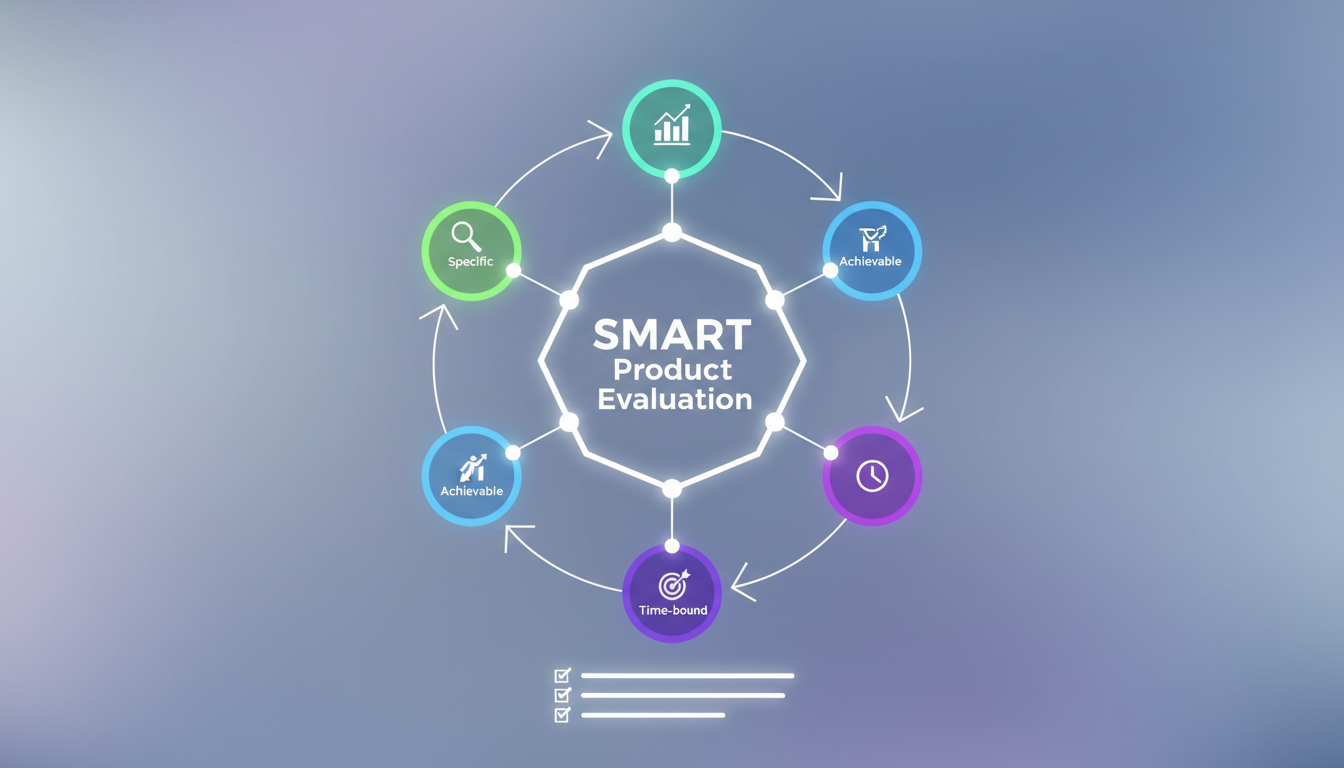
This checklist encourages a holistic view, moving beyond immediate gratification to consider the long-term implications of bringing a new product into your life. It helps you weigh the perceived benefits against the actual investment of time, money, and effort.
The Long-Term Perspective: Durability, Sustainability, and Evolving Needs
A truly smart approach to trending products extends beyond the immediate purchase decision. It involves considering the product’s lifecycle and its broader impact. This is where we differentiate between a temporary fix and a lasting asset.
Considering the Future:
- Durability and Build Quality: How well is the product constructed? What materials are used? Are there common points of failure reported by long-term users? A trending product that falls apart quickly is rarely a smart discovery.
- Repairability and Support: Can the product be easily repaired if something goes wrong? Are spare parts available? Does the manufacturer offer reliable customer support and warranty? Products with good support infrastructure often indicate a company’s commitment to longevity.
- Environmental Impact: What is the product’s footprint? Is it made from sustainable materials? Is it recyclable at the end of its life? While not always the primary driver, considering sustainability aligns with a more conscious consumption philosophy.
- Future-Proofing: Does the product rely on proprietary technology that might become obsolete? Is it easily upgradeable or adaptable to future standards? For tech products, this is especially critical.
- Evolving Personal Needs: Think about your own growth. Will this product still be relevant to you in a year, three years, or five years? Or is it tied to a very specific, potentially fleeting, phase of your life?
By adopting this long-term perspective, you shift from merely acquiring a trending item to investing in a valuable tool or experience that genuinely enriches your life over time.
Actionable Steps for Your Next Discovery
To put these principles into practice, here’s a concise plan for your next encounter with a trending product:
- Pause and Reflect: Before anything else, ask yourself, "Why am I interested in this? What problem do I need to solve?"
- Initial Scan: Do a quick search for the product. Note the main claims and features.
- Diversify Your Research: Seek out at least three independent, reputable sources (industry reviews, academic articles, consumer reports).
- Consult Communities (Carefully): Read user forums or social media discussions, looking for recurring themes and long-term user experiences.
- Apply the SMART Checklist: Systematically evaluate the product against Specific Utility, Measurable Impact, Adaptability & Longevity, Realistic Expectations, and Total Cost of Ownership.
- Consider the Long Game: Think about durability, repairability, sustainability, and how your needs might evolve.
- Make an Informed Decision: Based on all the gathered information and your personal "why," decide if the product truly aligns with your goals and offers genuine value.

Conclusion: Empowering Your Product Journey
The world of trending products is a dynamic and exciting place, full of potential for genuine discovery and innovation. However, without a structured and critical approach, it’s easy to get swept away by the current of hype. By defining your needs, conducting thorough research, critically evaluating community insights, and applying a comprehensive framework, you transform from a passive consumer into an empowered discoverer.
This smarter way to review trending products isn’t about avoiding new things; it’s about embracing them thoughtfully. It’s about making choices that are not just popular, but genuinely purposeful, durable, and aligned with your unique life. So, the next time a new trend catches your eye, remember these steps. Approach it with curiosity, evaluate it with rigor, and discover products that truly enhance your world.