What High-Performing Creator Workflows Have in Common
In the bustling world of content creation, where ideas flow freely but time is a finite resource, the difference between burnout and breakthrough often lies in one critical element: the workflow. A high-performing creator workflow isn’t just a collection of tools; it’s a meticulously designed system that supports creativity, maximizes efficiency, and ensures consistent output without sacrificing quality or well-being. But what exactly do these successful workflows have in common? It’s not about a secret app or a magic bullet, but rather a set of foundational principles and practices that, when combined, create a powerful engine for creative success.
This guide will dissect the core components of high-performing creator workflows, offering practical advice, clear examples, and actionable takeaways you can implement today. Whether you’re a seasoned professional or just starting your creative journey, understanding these common threads can help you refine your process, overcome bottlenecks, and ultimately, achieve more with less stress.
The Foundation: Clarity and Purpose
Before you even think about tools or tactics, the most successful creators begin with an unwavering sense of clarity. They know precisely what they’re trying to achieve, why it matters, and who they’re serving. This foundational understanding acts as a compass, guiding every decision and ensuring that all efforts are aligned with a larger vision.
Defining Your “Why”
Your “why” is the driving force behind your creative work. It’s the impact you want to make, the problem you want to solve, or the message you want to share. High-performing creators are deeply connected to their purpose, which fuels their motivation and helps them navigate challenges. Without a clear “why,” it’s easy to get lost in the noise, chase fleeting trends, or lose steam when obstacles arise.
Take a moment to reflect on these questions:
- What core message do you want to convey?
- What specific problem does your content solve for your audience?
- What unique value do you bring to the table?
- What long-term impact do you envision for your work?
Answering these questions provides a bedrock for all subsequent workflow decisions, ensuring that every piece of content serves a greater purpose.
Setting SMART Goals
Clarity of purpose translates into specific, measurable, achievable, relevant, and time-bound (SMART) goals. Vague aspirations like “grow my audience” are replaced with concrete objectives such as “increase YouTube subscribers by 15% in the next quarter by publishing two long-form videos weekly.”
SMART goals provide a clear target and a roadmap for how to get there. They allow creators to track progress, celebrate milestones, and make data-driven adjustments. This disciplined approach to goal-setting is a hallmark of high-performing workflows, ensuring that effort is directed towards tangible outcomes.
Streamlined Systems, Not Just Tools
Many creators fall into the trap of believing that the right set of tools will magically solve their workflow problems. While tools are undoubtedly important, high-performing creators understand that a tool is only as good as the system it supports. They prioritize building robust, repeatable processes that can be executed efficiently, regardless of the specific software in use.
Process Over Platform
A streamlined system means having a clear, step-by-step process for every recurring task, from idea generation to content distribution. This might include:
- Idea Capture: A consistent method for jotting down ideas the moment they strike.
- Research & Outline: A structured approach to gathering information and structuring content.
- Drafting & Editing: Dedicated blocks of time and specific checklists for writing and refining.
- Publishing & Promotion: A defined sequence for scheduling, uploading, and sharing content across platforms.
Documenting these processes, even informally, helps to reduce decision fatigue, minimize errors, and ensure consistency. It also makes it easier to delegate tasks or collaborate with others as your creative enterprise grows.
Automation Where It Counts
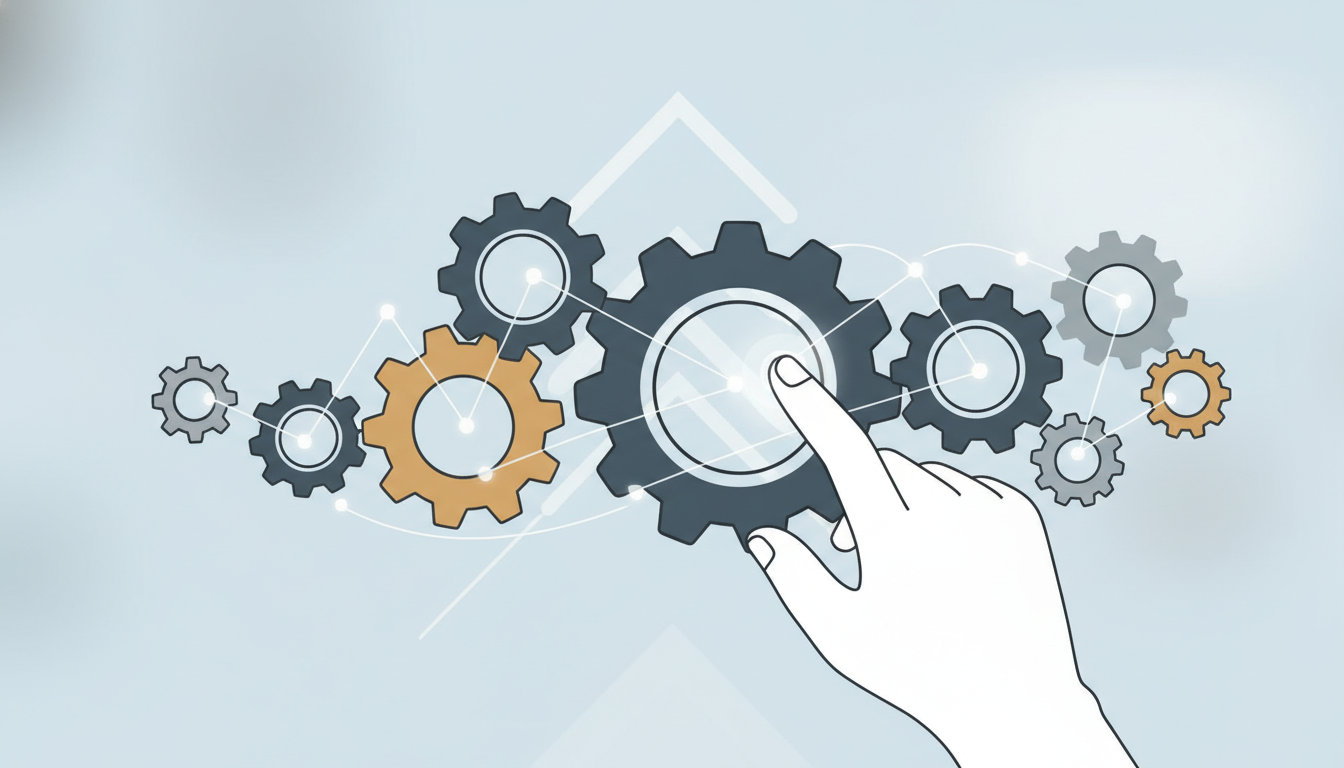
While creativity itself cannot be automated, many repetitive, administrative tasks within a creator’s workflow can and should be. High-performing creators strategically identify these opportunities to free up valuable time for actual creation. This might involve:
- Scheduling social media posts in advance.
- Using templates for recurring content types (e.g., blog post outlines, email newsletters).
- Automating email sequences for new subscribers.
- Setting up RSS feeds to automatically share new content.
- Integrating tools to sync data (e.g., project management with calendar apps).
The key is to automate tasks that are predictable, repetitive, and don’t require human judgment, allowing creators to focus their energy on the unique, high-value aspects of their work.
The Power of Batching and Focused Work
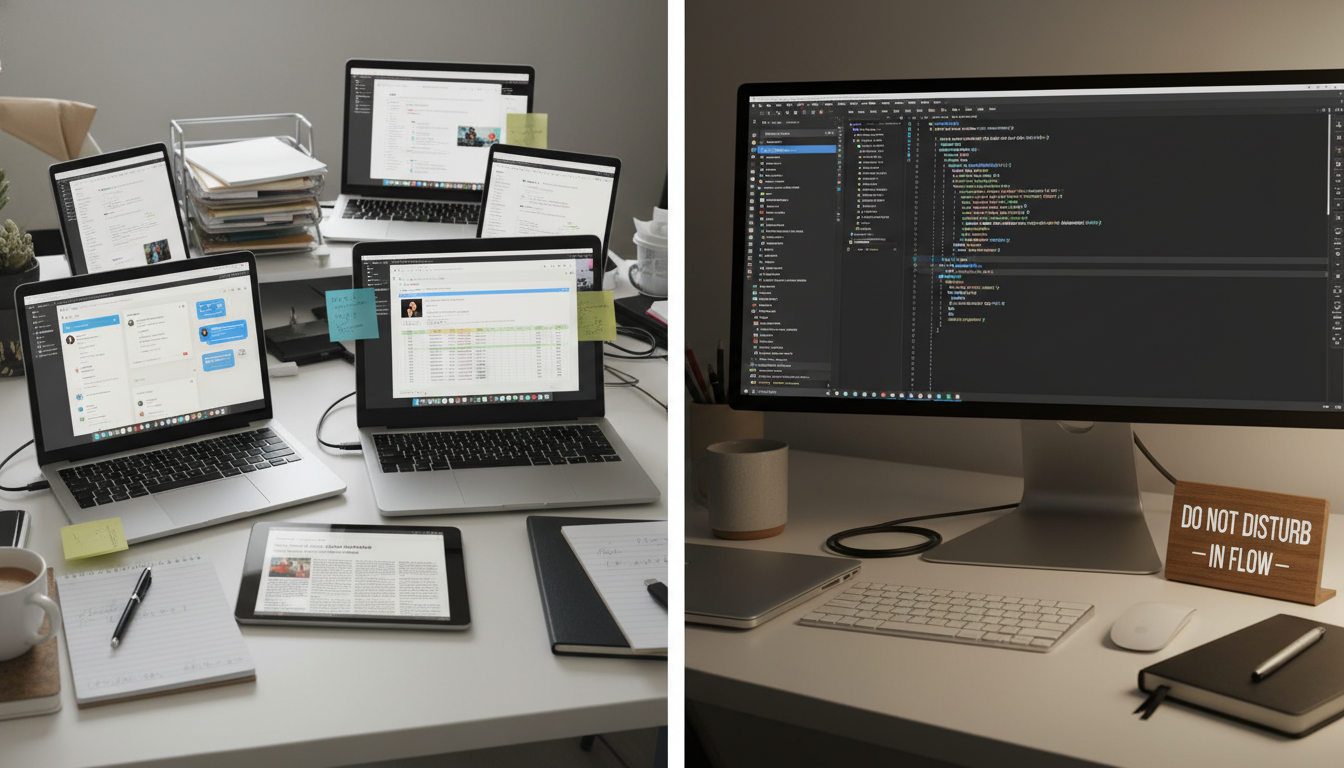
Context switching is a silent killer of productivity. Every time you shift from one type of task to another, your brain incurs a cost, leading to decreased efficiency and increased errors. High-performing creators actively combat this by embracing batching and dedicating time to deep, focused work.
Deep Work Principles
Cal Newport’s concept of “deep work” – professional activities performed in a state of distraction-free concentration that push your cognitive capabilities to their limit – is central to high-performing workflows. This means scheduling dedicated blocks of time for creative tasks, free from notifications, emails, and other interruptions.
During these deep work sessions, creators immerse themselves fully in a single task, whether it’s writing a script, editing a video, or designing graphics. This focused intensity leads to higher quality output in less time.
Batching Similar Tasks
Batching involves grouping similar tasks together and completing them all at once. Instead of writing a blog post, then designing a graphic, then responding to emails, then writing another blog post, a batched workflow might look like this:
- Spend a dedicated block of time generating all content ideas for the week/month.
- Spend another block outlining all planned content.
- Dedicate a full day to drafting all written content.
- Another day for all visual asset creation (graphics, video editing).
- Finally, a session for scheduling and promotion across all platforms.
This approach minimizes context switching, allowing your brain to stay in a specific mode of operation for longer, leading to greater efficiency and flow.
Iteration and Feedback Loops
No workflow is perfect from day one. High-performing creators understand that their systems are living entities that require continuous refinement. They actively seek feedback, analyze their performance, and are willing to adapt and evolve their processes.
The Importance of Review
Regular review sessions are crucial. This isn’t just about reviewing the content itself, but also the process used to create it. Ask yourself:
- What went well in this project/content cycle?
- What challenges did I encounter?
- Where did I get stuck or waste time?
- Could any step be simplified or eliminated?
- Did I meet my goals for this piece of content?
This self-reflection, often done weekly or monthly, provides invaluable insights into what’s working and what needs adjustment.
Adapting and Evolving
Based on their reviews, high-performing creators are not afraid to make changes. This might mean:
- Swapping out a tool that isn’t serving its purpose.
- Adjusting the order of tasks in a process.
- Allocating more or less time to certain activities.
- Experimenting with new content formats or distribution channels.
The goal is continuous improvement, always striving to make the workflow smoother, more efficient, and more enjoyable. This iterative mindset ensures that the workflow remains optimized for current needs and future growth.
Strategic Content Planning
Random acts of content creation rarely lead to sustained success. High-performing creators approach their content with a strategic mindset, planning well in advance to ensure consistency, relevance, and impact.
Content Calendars and Roadmaps
A well-maintained content calendar is a non-negotiable for efficient creators. It provides a bird’s-eye view of upcoming content, deadlines, and distribution channels. This allows for:
- Proactive idea generation and research.
- Even distribution of content types and topics.
- Alignment with seasonal events or product launches.
- Early identification of potential bottlenecks.
Beyond a simple calendar, many creators also develop a content roadmap – a longer-term plan outlining major themes, pillar content, and strategic initiatives for the next quarter or even year. This ensures that daily content creation contributes to larger, overarching goals.
Repurposing Content Effectively
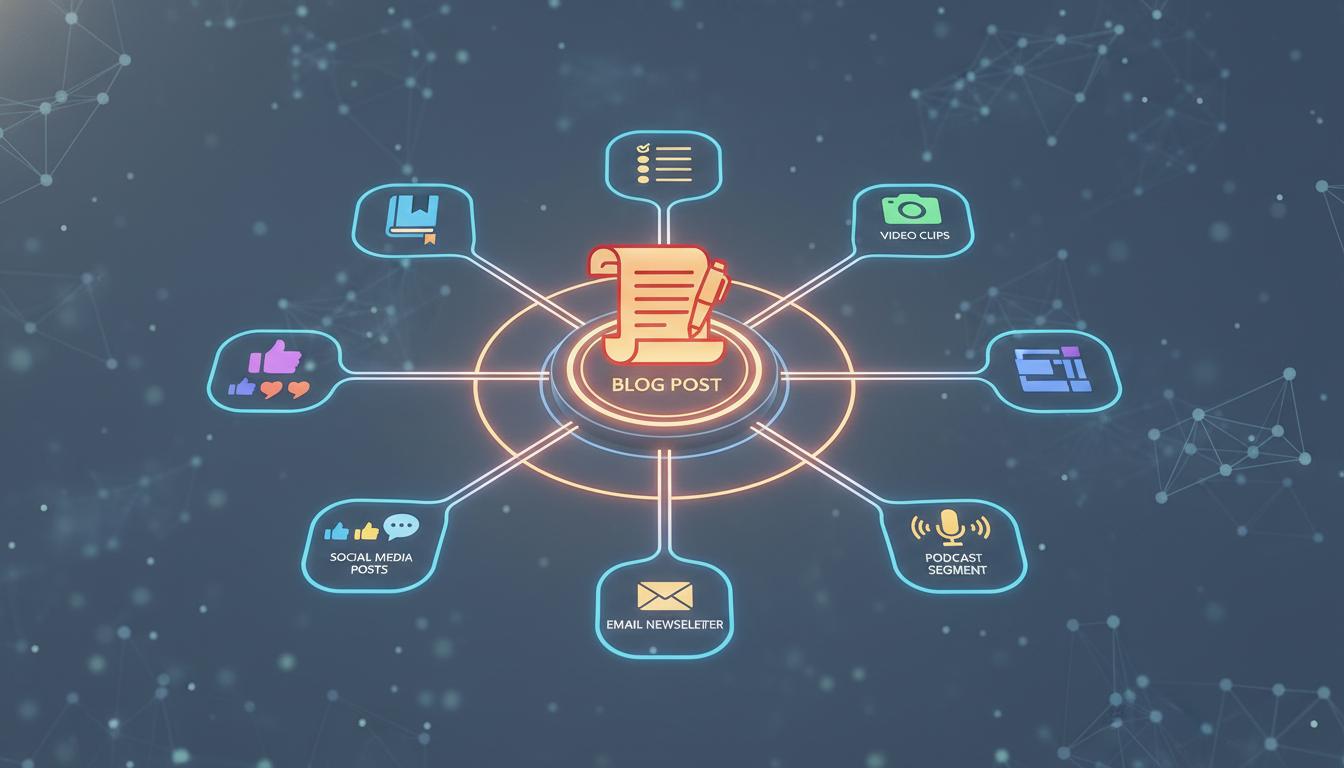
Creating original, high-quality content takes significant effort. High-performing creators maximize the return on this investment by strategically repurposing their content across multiple formats and platforms. A single blog post, for example, can be transformed into:
- A series of social media posts.
- A short video script.
- An email newsletter segment.
- Infographics or visual summaries.
- Podcast talking points.
This approach not only extends the reach of your message but also makes your workflow incredibly efficient, as you’re leveraging existing intellectual property rather than starting from scratch for every piece of content.
Mindset and Energy Management
Even the most perfectly designed workflow will falter if the creator behind it is burnt out or uninspired. High-performing creators recognize that their personal well-being and mental state are integral to their productivity and creativity. They actively manage their energy and cultivate a resilient mindset.
Protecting Your Creative Energy
Creative energy is a finite resource. Successful creators are mindful of how they spend it, avoiding activities that drain them unnecessarily. This includes:
- Minimizing distractions and context switching.
- Saying “no” to non-essential requests.
- Setting clear boundaries between work and personal life.
- Identifying peak creative times and scheduling demanding tasks accordingly.
They understand that pushing through exhaustion often leads to subpar work and longer recovery times, ultimately hindering long-term output.
The Role of Breaks and Recovery
Paradoxically, doing less can sometimes lead to achieving more. High-performing creators integrate regular breaks, rest, and recovery into their workflow. This isn’t just about taking a weekend off; it’s about:
- Short, frequent breaks during deep work sessions (e.g., Pomodoro Technique).
- Engaging in activities that recharge creativity (e.g., exercise, nature, hobbies).
- Ensuring adequate sleep.
- Taking longer periods of disconnection to prevent burnout.
These periods of rest allow the subconscious mind to process information, generate new ideas, and consolidate learning, leading to renewed focus and inspiration.
Essential Tools and Technologies
While systems are paramount, the right tools can significantly enhance a high-performing workflow. These tools aren’t just about features; they’re about how seamlessly they integrate into your established processes and support your goals. Here are categories of tools commonly found in efficient creator workflows:
Project Management & Organization
These tools help creators keep track of ideas, tasks, deadlines, and collaborations.
- Trello, Asana, ClickUp: For managing content pipelines, editorial calendars, and team tasks.
- Notion, Evernote: For capturing ideas, organizing research, and creating knowledge bases.
- Google Drive, Dropbox: For file storage, sharing, and collaborative document editing.
Content Creation & Editing
These are the workhorses for bringing ideas to life.
- Google Docs, Microsoft Word: For writing and drafting.
- Canva, Adobe Creative Suite (Photoshop, Premiere Pro): For graphic design and video editing.
- Audacity, Descript: For audio recording and editing (podcasts, voiceovers).
Distribution & Analytics
Once content is created, these tools help it reach the audience and measure its impact.
- Buffer, Hootsuite, Later: For scheduling and publishing social media content.
- Mailchimp, ConvertKit: For email marketing and audience communication.
- Google Analytics, YouTube Studio: For tracking performance, audience insights, and making data-driven decisions.
The key is to choose tools that simplify, not complicate, your workflow. Less is often more; a few well-integrated tools are usually more effective than a sprawling collection of disconnected apps.
Conclusion: Crafting Your Own High-Performing Workflow
The common threads among high-performing creator workflows are not about a secret formula, but rather a commitment to clarity, systemization, focus, continuous improvement, strategic planning, and self-care. It’s about building a robust framework that supports your unique creative process, allowing you to produce your best work consistently and sustainably.
Remember, your workflow is personal. What works for one creator might need tweaking for another. The goal isn’t to copy someone else’s system verbatim, but to understand these underlying principles and adapt them to your specific needs, goals, and creative style. Start small, experiment, and be patient. By intentionally designing and refining your workflow, you’re not just optimizing your output; you’re investing in your long-term creative health and success.
Which of these principles resonates most with you? What’s one change you can make to your workflow this week to boost your performance?