
In a world brimming with wellness trends, it’s easy to feel overwhelmed by the sheer volume of advice and products vying for our attention. The true challenge often lies not in finding something new, but in discovering practical, sustainable additions that genuinely enhance our daily lives without demanding a complete lifestyle overhaul. This article is an exploration of such finds – accessible tools, simple habits, and thoughtful approaches that can be seamlessly woven into your existing routine, offering tangible benefits for your physical and mental well-being.
Our focus here isn’t on fleeting fads or expensive luxuries, but on evergreen concepts and modest adjustments that yield significant returns. We’ll delve into areas from optimizing your morning to refining your sleep, all with an eye towards practicality and real-world applicability. Consider this a guide to thoughtful integration, inviting you to pick and choose what resonates most with your unique journey toward a more balanced and fulfilling life.
The Art of a Mindful Morning: Setting a Positive Tone
The first few hours of your day often dictate its overall trajectory. Cultivating a mindful morning doesn’t require waking at 4 AM for an elaborate ritual, but rather intentionally choosing activities that ground you and prepare you for the day ahead. Small shifts can make a profound difference in your energy levels, focus, and overall mood.
One powerful find is the concept of a ‘no-phone zone’ for the first 30-60 minutes after waking. Instead of immediately diving into emails or social media, dedicate this time to personal reflection or gentle activity. This simple boundary can protect your mental space from external demands before you’ve even had a chance to fully wake up. Another practical tool is a sunrise alarm clock, which gradually brightens your room, mimicking natural dawn and promoting a more gentle awakening than a jarring sound. This can significantly reduce morning grogginess and improve your circadian rhythm over time.
Consider incorporating one or two of these simple practices:
- Hydration Ritual: Start your day with a large glass of water, perhaps with a squeeze of lemon. It’s a simple way to rehydrate after sleep and kickstart your metabolism.
- Gentle Movement: A five-minute stretch, some light yoga, or even just walking around your home can awaken your body without intense effort.
- Mindful Breathing: Practice a few minutes of deep breathing exercises. This can calm your nervous system and enhance mental clarity.
- Journaling or Gratitude: Jot down a few thoughts, intentions for the day, or things you’re grateful for. This sets a positive and reflective tone.
- Reading (Non-Digital): Spend a few minutes with a physical book or magazine. It’s a peaceful way to engage your mind before the digital world takes over.
These small, consistent actions build a foundation for a more intentional and less reactive day, proving that wellness often begins with how we choose to greet the morning.
Optimizing Your Workspace for Sustained Well-being
For many, a significant portion of the day is spent at a desk, making the design and functionality of this space crucial for both productivity and physical health. An optimized workspace isn’t just about aesthetics; it’s about creating an environment that supports your body and mind, reducing strain and fostering focus.
One often-overlooked find is the importance of proper lighting. Beyond overhead fixtures, consider adding a task lamp that provides adjustable, glare-free illumination. Natural light is ideal, so positioning your desk near a window can be highly beneficial. If natural light is scarce, a full-spectrum lamp can mimic daylight, potentially boosting mood and reducing eye strain. Another practical addition is a monitor riser, which elevates your screen to eye level, preventing neck and shoulder discomfort. This simple adjustment can dramatically improve posture over long periods.
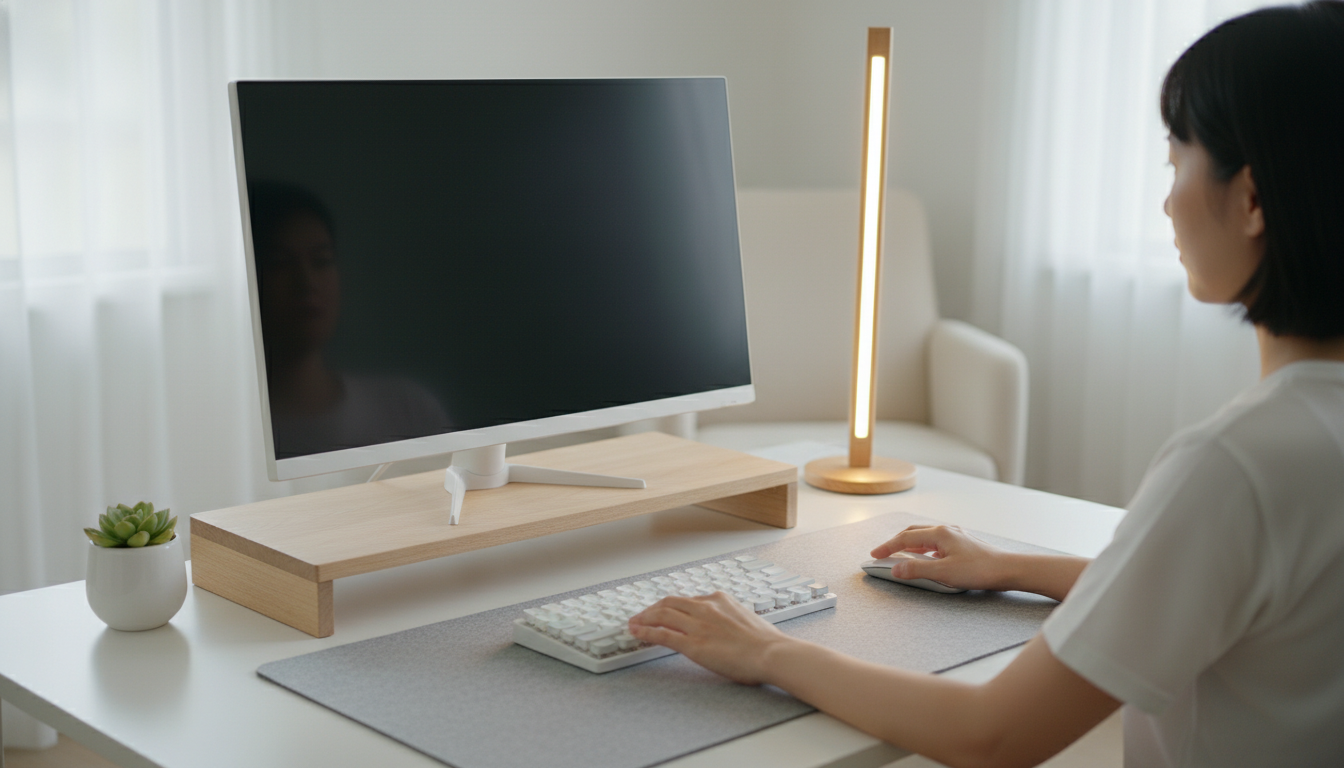
Beyond ergonomics, think about the sensory elements of your space. A small plant can improve air quality and add a touch of nature, known to reduce stress. Essential oil diffusers with calming scents like lavender or invigorating scents like peppermint can subtly influence your mood and concentration. Even the color scheme of your immediate surroundings can play a role; cool, muted tones are often associated with calm and focus, while brighter colors can be stimulating.
Regular micro-breaks are another powerful find. Setting a timer to stand up, stretch, or simply look away from your screen every 30-60 minutes can prevent stiffness and mental fatigue. These brief interruptions are not distractions but rather essential resets that allow you to return to your tasks with renewed energy and clarity. Investing in a comfortable, supportive chair is also paramount; it’s a foundational element that directly impacts your spinal health and overall comfort throughout the day.
Nutrition Simplified: Smart Kitchen Additions for Easier Healthy Eating
Eating well doesn’t have to be complicated or time-consuming. Many practical wellness finds in the kitchen revolve around simplifying processes, making healthy choices more accessible, and reducing the mental load associated with meal preparation. The goal is to create an environment where nutritious food is the easy option.
Consider the utility of a high-quality immersion blender. This versatile tool can transform soups, sauces, and smoothies directly in their cooking vessel, minimizing cleanup and making it incredibly simple to incorporate more vegetables into your diet. From creamy tomato soup to quick fruit smoothies, its efficiency is a game-changer for busy individuals. Another practical find is a set of durable, compartmentalized meal prep containers. Preparing larger batches of healthy meals on a less busy day means you have nutritious options ready to go throughout the week, preventing reliance on less healthy takeout or convenience foods when time is short.
Beyond gadgets, think about smart pantry stocking. Keeping a well-organized supply of staples like whole grains, legumes, canned tomatoes, and frozen vegetables ensures you always have the building blocks for a healthy meal. This reduces decision fatigue and the likelihood of impulse buys at the grocery store. A dedicated space for fresh produce, perhaps a visible fruit bowl on the counter, can also encourage healthier snacking habits.
Furthermore, exploring simple cooking techniques can be a wellness find in itself. Roasting vegetables, for instance, requires minimal effort and brings out natural sweetness, making them more appealing. Steaming is another quick and healthy method. The key is to find methods that fit your lifestyle and preferences, making the act of preparing food enjoyable rather than a chore. Even a simple kitchen timer can be a powerful tool, helping you manage cooking times and prevent overcooking, ensuring your meals are consistently delicious and nutritious.
Movement Made Accessible: Integrating Fitness into Everyday Life
The idea that fitness requires dedicated gym time or intense workouts can be a barrier for many. However, some of the most impactful wellness finds are about integrating movement seamlessly into your daily routine, making physical activity a natural part of your life rather than a separate obligation. This approach emphasizes consistency and accessibility over intensity.
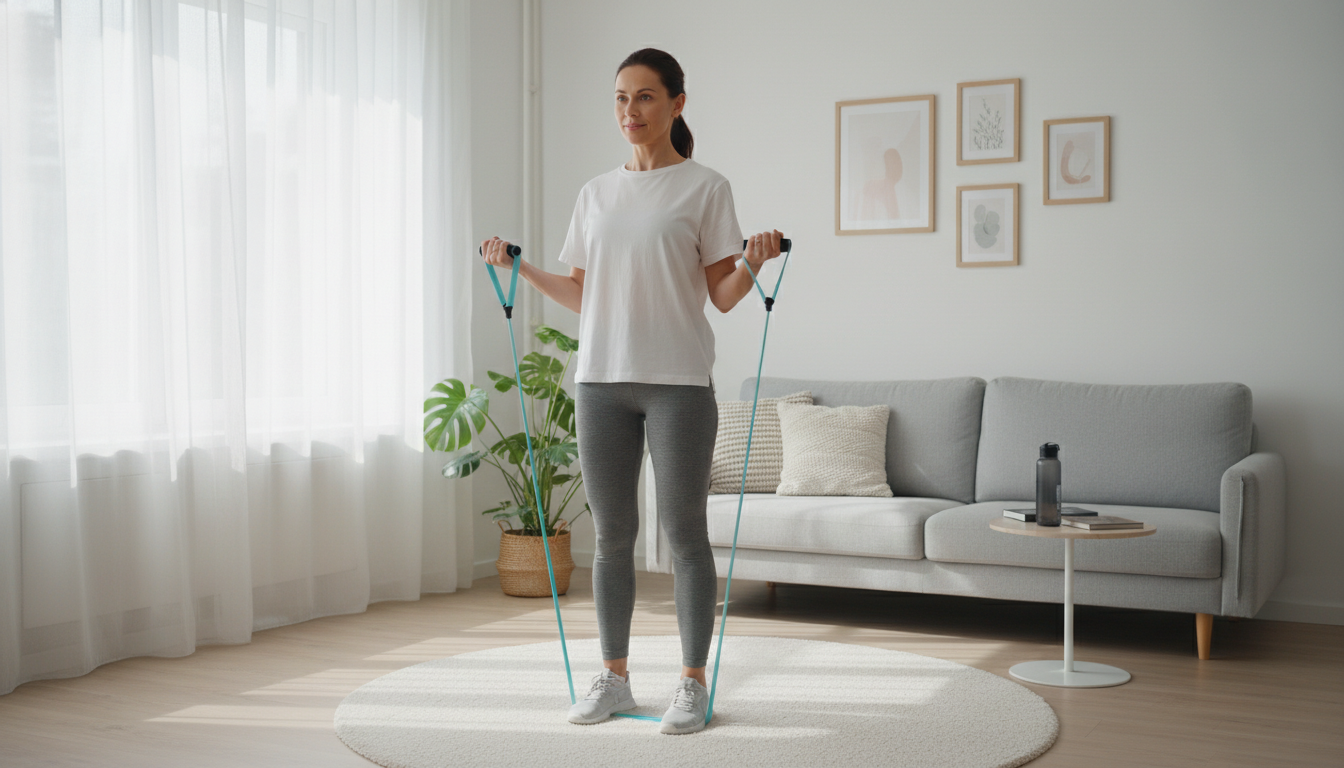
One excellent find is a set of resistance bands. These lightweight, portable tools offer a full-body workout with varying levels of resistance, making them perfect for home use, travel, or even a quick stretch break at the office. They’re incredibly versatile for strength training, stretching, and rehabilitation exercises, proving that you don’t need heavy weights to build muscle and improve flexibility. Another practical addition is a standing desk converter. Simply alternating between sitting and standing throughout the workday can reduce sedentary time, improve circulation, and alleviate back pain, contributing significantly to overall well-being without requiring a major schedule change.
Consider also the power of walking. Incorporating short walks throughout your day – taking the stairs, parking further away, or walking during phone calls – can accumulate into significant physical activity. A pedometer or fitness tracker, while not a necessity, can be a motivating tool to track your steps and encourage more movement. Even simple bodyweight exercises like squats, lunges, and push-ups can be done anywhere, anytime, providing a quick burst of activity that keeps your muscles engaged and your blood flowing.
The key is to identify moments in your day where you can naturally weave in movement. Waiting for water to boil? Do some calf raises. Watching TV? Incorporate some stretches or light core work. These micro-movements add up, contributing to better cardiovascular health, improved mood, and increased energy levels. It’s about shifting the mindset from ‘I need to exercise’ to ‘How can I move more throughout my day?’
Digital Detox & Mindful Tech Use: Reclaiming Your Attention
In our hyper-connected world, managing our relationship with technology is a critical aspect of modern wellness. A digital detox isn’t necessarily about abandoning all devices, but rather about cultivating mindful tech use – finding practical ways to reclaim your attention and reduce digital overload. This involves setting boundaries and utilizing tools that support healthier habits.
One powerful find is the strategic use of ‘Do Not Disturb’ modes or app-specific notification settings. By customizing when and from whom you receive alerts, you can significantly reduce interruptions and regain control over your focus. Designating specific times for checking emails or social media, rather than constantly reacting to every ping, can free up mental bandwidth. Another practical tool is a blue light filter, either built into your device’s operating system or as a physical screen protector. Reducing blue light exposure, especially in the evening, can improve sleep quality by minimizing its disruptive effect on melatonin production.
Here’s a checklist for mindful tech use:
- Establish Screen-Free Zones: Designate certain areas (e.g., bedroom, dining table) or times (e.g., during meals, an hour before bed) as completely screen-free.
- Audit Your Notifications: Go through your apps and turn off all non-essential notifications. Only allow alerts that are truly urgent or important.
- Utilize App Limits: Many smartphones offer features to set daily time limits for specific apps. Use these to curb excessive scrolling on social media or entertainment platforms.
- Charge Devices Away from Your Bed: This simple act reduces the temptation to check your phone late at night or first thing in the morning.
- Engage in ‘Digital Sprints’: Instead of constant checking, dedicate specific, short blocks of time to deal with emails or messages, then put your device away.
- Curate Your Feeds: Unfollow accounts that don’t add value or make you feel negative. Focus on content that is inspiring, informative, or genuinely entertaining.
- Practice Mindful Scrolling: Before opening an app, ask yourself why you’re doing it. Is it out of habit, or do you have a specific purpose?
These practices are about intentionality. They help you leverage technology as a tool for connection and information, rather than allowing it to become a source of distraction and overwhelm. Reclaiming your attention is a continuous process, but these practical steps offer a strong starting point.
Rest & Recovery: Optimizing Your Sleep Environment
Sleep is the cornerstone of wellness, yet it’s often the first thing to be sacrificed in our busy lives. Practical wellness finds in this area focus on creating an optimal sleep environment and adopting habits that promote deep, restorative rest. It’s about making your bedroom a sanctuary for sleep.
One essential find is the power of complete darkness. Even small amounts of light can disrupt melatonin production. Investing in blackout curtains or a comfortable sleep mask can make a significant difference, especially if you live in an urban area or have streetlights outside your window. Another practical tool is a white noise machine or a fan. Consistent, gentle background noise can mask sudden disturbances, creating a more peaceful and uninterrupted sleep experience. The steady hum can also be incredibly soothing, helping your mind to quiet down.
Beyond light and sound, consider the temperature of your bedroom. Most sleep experts recommend keeping your room cool, typically between 60-67 degrees Fahrenheit (15-19 degrees Celsius). A smart thermostat or even just adjusting your bedding can help you achieve this ideal range. The quality of your mattress and pillow also plays a crucial role. While these can be larger investments, finding ones that properly support your body can alleviate aches and pains, leading to more comfortable and deeper sleep. It’s a long-term wellness find that pays dividends every night.
Finally, establishing a consistent pre-sleep routine is a powerful, free wellness find. This could involve a warm bath, reading a physical book, gentle stretching, or listening to calming music. The key is to signal to your body and mind that it’s time to wind down, creating a smooth transition from wakefulness to sleep. Avoiding screens and heavy meals close to bedtime are also practical habits that significantly improve sleep quality.
Cultivating Connection: Tools for Social Wellness
Human beings are inherently social creatures, and strong connections are vital for mental and emotional well-being. In an increasingly digital world, finding practical ways to cultivate genuine social wellness is more important than ever. These finds aren’t about accumulating hundreds of online ‘friends,’ but about nurturing meaningful relationships.
One often-overlooked find is the simple act of scheduling. In our busy lives, even close friendships can drift if not intentionally maintained. Setting a recurring calendar reminder for a weekly call with a family member, a monthly coffee with a friend, or a quarterly group gathering can ensure these connections remain vibrant. It takes the guesswork out of ‘when will we next meet?’ and makes social interaction a priority. Another practical tool can be joining local interest groups or clubs. Whether it’s a book club, a hiking group, or a volunteer organization, these provide built-in opportunities to meet like-minded individuals and build new connections around shared passions.

Beyond structured activities, consider the power of small, consistent gestures. A handwritten note, a thoughtful text checking in on someone, or a quick phone call ‘just because’ can strengthen bonds significantly. These acts demonstrate care and presence, which are the bedrock of any healthy relationship. For those with family or friends living far away, exploring video call platforms or even shared online gaming can bridge distances, making it easier to maintain a sense of closeness despite geographical separation.
Social wellness also extends to your immediate community. Engaging with neighbors, supporting local businesses, or participating in community events can foster a sense of belonging and mutual support. It’s about recognizing that our well-being is interconnected with the well-being of those around us. These practical approaches to connection remind us that while technology can facilitate communication, genuine social wellness thrives on intentional interaction and shared experiences.
Learning & Growth: Expanding Your Horizons for Mental Vitality
Continuous learning and personal growth are not just about career advancement; they are fundamental aspects of mental vitality and overall wellness. Engaging your mind with new ideas, skills, and perspectives keeps you curious, adaptable, and engaged with the world. Practical wellness finds in this area focus on making learning accessible and enjoyable.
One excellent find is the wealth of free or affordable online learning platforms. Websites offering courses on everything from coding to creative writing, history to philosophy, allow you to explore new subjects at your own pace. Many universities also offer free access to lectures and course materials. This democratizes education, making it possible to pursue intellectual curiosity without the constraints of traditional schooling. Another practical tool is subscribing to curated newsletters or podcasts that align with your interests. These deliver digestible chunks of information directly to you, making it easy to stay informed and inspired without actively searching.
Consider also the simple, yet profound, power of your local library. Beyond books, many libraries offer access to digital resources, online courses, workshops, and even cultural passes. It’s a treasure trove of learning and entertainment that is often underutilized. Setting aside dedicated time each week for reading, whether it’s fiction, non-fiction, or articles, is a powerful habit that expands your knowledge and stimulates your imagination.
Learning doesn’t always have to be academic. Picking up a new hobby, like learning an instrument, gardening, or a craft, engages different parts of your brain, fosters creativity, and provides a sense of accomplishment. These activities offer a break from routine and can be incredibly meditative. The key is to embrace a mindset of lifelong learning, recognizing that every new piece of knowledge or skill acquired contributes to a richer, more vibrant inner life. It’s about nurturing your intellectual curiosity and allowing yourself the space to grow and evolve continuously.
Conclusion: Your Personalized Path to Practical Wellness
The journey toward enhanced wellness is deeply personal and ever-evolving. What works for one person may not resonate with another, and that’s perfectly fine. The essence of these practical wellness finds lies in their adaptability and accessibility. They are not prescriptive mandates but rather invitations to explore, experiment, and integrate what genuinely serves your unique needs and aspirations.
We’ve explored a range of areas, from the intentionality of your mornings to the quality of your sleep, from optimizing your workspace to nurturing your social connections. Each suggestion is rooted in the principle that small, consistent, and thoughtful adjustments can collectively lead to significant improvements in your overall well-being. There’s no need to overhaul your entire life overnight; instead, consider picking one or two ideas that spark your interest and give them a try. Observe how they feel, how they impact your day, and whether they contribute positively to your sense of balance and vitality.
Ultimately, practical wellness is about empowerment – empowering yourself with the knowledge and tools to make conscious choices that support your health and happiness. It’s about curiosity, self-compassion, and the ongoing discovery of what helps you thrive. May this exploration inspire you to find your own meaningful additions, creating a routine that not only supports you but truly elevates your everyday experience.