The Quest for Lasting Lifestyle Tools
In a world overflowing with choices, from productivity apps to kitchen gadgets, fitness trackers to journaling systems, it’s easy to feel overwhelmed. We’ve all been there: excited by the promise of a new tool, only to find it gathering dust weeks or months later. The initial spark fades, the novelty wears off, and what once seemed like a life-changer becomes just another piece of clutter, digital or physical. This cycle of acquisition and abandonment isn’t just frustrating; it can be costly, both financially and in terms of the mental energy spent on unfulfilled potential.
But what if there was a better way? What if you could approach the selection of lifestyle tools with a mindset that maximizes their chances of becoming cherished, integrated parts of your daily routine? This isn’t about finding the ‘best’ tool according to a review site, nor is it about chasing the latest trend. Instead, it’s about a deeper, more intentional process of discovery – one that aligns your choices with your authentic needs, values, and habits. The goal is to build a personal toolkit that genuinely supports the life you want to live, rather than dictating it. Let’s explore how to make choices you’ll actually keep using, transforming fleeting interests into lasting lifestyle enhancements.
Beyond the Hype: Understanding Your True Needs
Before you even consider what a tool does, it’s crucial to understand what you need. This foundational step is often overlooked in the excitement of new possibilities. Many tools promise to solve problems we don’t truly have, or to optimize aspects of our lives that aren’t our primary concerns. The key is to shift focus from the tool’s features to your own internal landscape.
The “Why” Behind the Want
Every desire for a new tool stems from an underlying motivation. Perhaps you want to be more organized, healthier, more creative, or more efficient. But dig deeper. Why do you want to be more organized? Is it to reduce stress, free up time for hobbies, or simply to feel more in control? Understanding this core motivation is paramount. If you’re seeking a meditation app, is it because you genuinely want to cultivate mindfulness, or because you feel societal pressure to be ‘zen’? If it’s a new coffee maker, is it for a truly superior brew, or to impress guests, or simply because your old one broke?
Take a moment to journal or reflect on the specific pain point or aspiration that’s driving your interest. A tool is merely a means to an end; clarity on that end is your first and most powerful filter.
Differentiating Needs from Wants
Once you’ve identified the ‘why,’ the next step is to distinguish between genuine needs and fleeting wants. A need addresses a fundamental gap or challenge in your life that, if left unaddressed, causes significant friction or discomfort. A want, while appealing, often represents an incremental improvement or a desire for novelty that isn’t essential for your core well-being or progress.
For example, if your current system for managing appointments frequently leads to missed meetings and high stress, a reliable digital calendar or planner might be a genuine need. If you already have a perfectly functional calendar but are tempted by a new one with a slightly different interface, that’s likely a want. There’s nothing inherently wrong with wants, but prioritizing needs ensures that your investments of time, money, and energy are directed towards solutions that will have a meaningful, lasting impact.
The Power of Alignment: Values and Habits
A tool’s longevity in your life isn’t just about its utility; it’s about its congruence with your personal values and its ability to integrate seamlessly into your existing habits. Even the most efficient tool will fail if it clashes with what you hold dear or demands an overhaul of your deeply ingrained routines.
Consider your core values. If simplicity and minimalism are important to you, a complex, multi-functional gadget might feel like a burden, even if it’s highly rated. If sustainability is a priority, a tool designed for disposability might create internal friction. The best tools don’t just solve a problem; they resonate with your philosophy of living.
Equally important is how a tool fits into your established habits. Humans are creatures of habit, and trying to force a new tool into a lifestyle that actively resists it is often a losing battle. Instead, look for tools that either:
- Augment existing habits: They make a current routine easier, more enjoyable, or more effective without requiring a complete behavioral shift. For example, a comfortable walking shoe augments a walking habit.
- Gently facilitate new habits: They lower the barrier to entry for a desired new behavior. A water bottle that tracks your intake might gently nudge you towards better hydration, rather than demanding you remember to log every sip manually.
Before committing, ask yourself:
- Does this tool align with my core values (e.g., simplicity, sustainability, efficiency, creativity)?
- Does it fit into my existing daily or weekly routines with minimal disruption?
- Does it make a desired habit easier to start or sustain?
- Does it require a significant learning curve or behavioral change that I am genuinely prepared for?
Choosing tools that naturally flow with your life, rather than against it, dramatically increases their chances of becoming indispensable companions.
Practicality Over Perfection: Usability and Integration
Once you’ve reflected on your needs, values, and habits, it’s time to consider the practical aspects of the tool itself. Perfection is an elusive and often unnecessary goal. What truly matters is how usable and how well a tool integrates into your specific context.
Usability: How intuitive is it? Can you pick it up and use it effectively without a steep learning curve or constant reference to a manual? A tool that feels clunky, confusing, or overly complicated, no matter how powerful, is unlikely to be used consistently. Think about the physical feel of an object, the clarity of a digital interface, or the simplicity of a system. The less mental friction required to operate it, the more likely you are to reach for it.
Integration: This refers to how well the tool fits into your physical space, your digital ecosystem, or your workflow. A large kitchen appliance might be fantastic, but if you live in a small apartment with limited counter space, its practicality diminishes. A new app might offer incredible features, but if it doesn’t sync with your existing calendar or task manager, it could create more work than it saves. Consider:
- Physical footprint: Does it fit comfortably in your home, bag, or pocket?
- Digital ecosystem: Does it play well with your other devices, software, or platforms?
- Workflow compatibility: Does it enhance your current process, or force you to adopt an entirely new one?
A tool that seamlessly integrates becomes an extension of yourself and your environment, rather than an intrusive addition.

Durability and Maintainability: Investing for the Long Haul
Longevity is a core theme when choosing tools you’ll actually keep using. This isn’t just about the tool’s lifespan but also about its ability to remain functional and relevant over time. Here, durability and maintainability come into play.
Durability: Investing in quality often means investing in longevity. While a cheaper option might seem appealing upfront, if it breaks easily, requires frequent replacement, or quickly shows wear and tear, its true cost can be higher. Look for materials, construction, and design that suggest resilience. This doesn’t necessarily mean buying the most expensive item, but rather seeking out thoughtful craftsmanship and robust components. Consider reviews that speak to long-term performance rather than just initial impressions.
Maintainability: Even the most durable tool may require some care. How easy is it to clean, service, or repair? Can parts be replaced if necessary? Is there readily available support or documentation? A tool that is difficult to maintain can quickly become a burden, leading to its eventual abandonment. For digital tools, this translates to ongoing updates, security patches, and responsive customer support. A tool that is abandoned by its developers will eventually become obsolete or insecure, regardless of its initial brilliance.
Choosing tools with an eye toward durability and maintainability is a conscious decision to value longevity and sustainability. It’s an investment not just in the tool itself, but in a less wasteful, more reliable lifestyle.
The Trial Period: Experimentation and Adaptation
Even after careful consideration, some things you can only discover through direct experience. This is where the ‘trial period’ comes in – a crucial phase of experimentation and adaptation before fully committing to a tool.
Think of it as dating a tool before marrying it. This could mean:
- Borrowing or renting: For larger items, can you borrow one from a friend or rent it for a short period?
- Leveraging return policies: Many retailers offer generous return windows. Use this time to rigorously test the tool in your actual environment.
- Free trials for software: Most apps and services offer a free trial. Don’t just sign up; actively use it as you would if you owned it.
- Starting small: If it’s a new habit system, try a simplified version before investing in all the bells and whistles.
During this trial, pay close attention to your experience. How does it feel to use it daily? Does it genuinely solve the problem you identified? Does it create new, unforeseen frictions? Be honest with yourself about its fit. It’s okay if a tool doesn’t work out; the goal is to learn and refine your understanding of what truly serves you.
Here’s a checklist for your trial period:
- Identify specific tasks: What exactly will you use this tool for?
- Set a clear timeframe: Commit to using it consistently for X days/weeks.
- Integrate it into your routine: Don’t just test it; try to make it a natural part of your day.
- Observe friction points: Note any moments of frustration, confusion, or resistance.
- Evaluate against your needs: Does it still align with the core ‘why’ you identified?
- Consider the alternatives: How does it compare to your previous method or other options?
- Make a decision: Keep it, return it, or explore other options based on your experience.
Embrace the trial period as a learning opportunity, not a pass/fail test.

The Art of Iteration: Adjusting and Refining
Even tools you keep using aren’t static entities in a static life. Your needs evolve, your habits shift, and new technologies emerge. The art of choosing lasting lifestyle tools also involves the art of iteration – the ongoing process of adjusting, refining, and occasionally letting go.
A tool that was perfect for you five years ago might no longer serve your current lifestyle. Perhaps your job changed, your family grew, or your personal priorities shifted. Regularly (perhaps annually or semi-annually) take stock of your core tools, both digital and physical. Ask yourself:
- Am I still using this tool regularly and effectively?
- Does it still solve a genuine problem or support a key aspiration?
- Has a better, more aligned solution emerged that I should consider?
- Is it creating unnecessary complexity or clutter?
This isn’t about chasing novelty, but about mindful maintenance of your personal toolkit. Sometimes, iteration means finding new ways to use an existing tool. Other times, it means simplifying its functionality, decluttering unused features, or even repurposing it. And sometimes, it means gracefully retiring a tool that has served its purpose and is no longer a net positive in your life. This iterative approach ensures that your lifestyle tools remain dynamic, responsive, and truly supportive of your evolving self.
Less is Often More: Curation and Minimalism
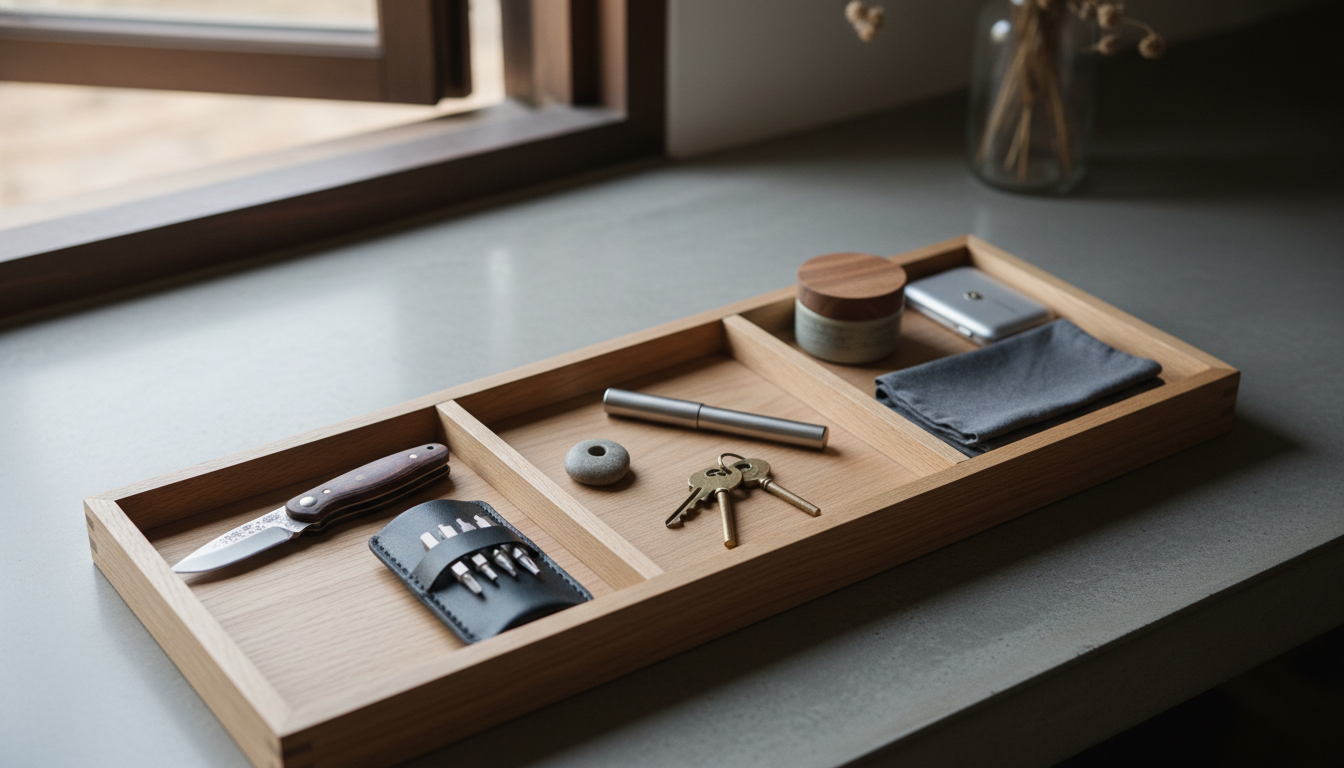
In our consumer-driven world, the temptation is often to acquire more. However, when it comes to lifestyle tools, a powerful principle often holds true: less is often more. A carefully curated collection of essential, high-quality tools that genuinely serve your needs will almost always outperform a sprawling, unmanaged assortment of gadgets and apps.
This isn’t about asceticism, but about intentionality. Each tool you own, whether physical or digital, demands a small amount of your attention, storage space, or mental bandwidth. By reducing the number of tools, you reduce decision fatigue, simplify maintenance, and create clarity. When you have fewer items, you tend to know them better, use them more effectively, and appreciate them more deeply.
The benefits of a curated toolkit extend beyond mere decluttering:
- Reduced cognitive load: Fewer choices mean less time spent deciding which tool to use.
- Deeper mastery: You become more proficient with the tools you do have, unlocking their full potential.
- Increased appreciation: Each item holds more significance and value.
- Better organization: A smaller collection is inherently easier to organize and maintain.
- Financial savings: Less impulsive buying and more thoughtful investment.
- Environmental impact: Choosing durable, long-lasting items reduces waste.
Embrace the philosophy of curation. Instead of asking, “What else could I get?” ask, “What do I truly need, and how can I make the most of what I already have?” This mindful approach transforms your relationship with your possessions and digital assets, fostering a sense of calm and control.
Building a Lifestyle That Lasts
Choosing lifestyle tools you’ll actually keep using is less about finding the ‘perfect product’ and more about cultivating a thoughtful, self-aware approach to consumption. It’s a journey of discovery that begins with understanding yourself – your needs, values, and habits – and extends to a practical evaluation of a tool’s usability, durability, and its ability to integrate seamlessly into your life.
By moving beyond the immediate allure of novelty and hype, by embracing trial and iteration, and by valuing curation over accumulation, you empower yourself to build a personal toolkit that genuinely enhances your daily experience. These aren’t just objects or apps; they are extensions of your intentions, silent partners in the creation of a life that feels more organized, more productive, more joyful, and ultimately, more authentically you. Start today by reflecting on one tool you’re considering and apply these principles. Your future self will thank you for the lasting choices you make.