


A Better Way to Spot Underrated Digital Finds
The digital landscape is vast, often overwhelming. We’re constantly bombarded with the ‘next big thing,’ but what about the quiet innovations, the incredibly useful tools and resources that fly under the radar? This article is for the curious, the explorers, those who derive satisfaction from unearthing something truly valuable that hasn’t been shouted from every digital rooftop. We’ll explore practical approaches to move beyond the algorithmic echo chamber and cultivate a personal system for discovering genuine hidden gems.
Beyond the Hype Cycle: Why Mainstream Isn’t Always Best
The internet, for all its promise of infinite choice, often funnels us into predictable paths. Search engines prioritize popularity, social media algorithms amplify trends, and tech news outlets focus on well-funded startups. This creates a ‘hype cycle’ where visibility often trumps intrinsic value. Many truly innovative, efficient, or simply delightful digital finds remain obscure not because they lack quality, but because they lack marketing muscle or mass appeal. Understanding this dynamic is the first step to breaking free from it. We need to consciously seek out the quiet corners, the less-trafficked paths, and the specialized communities where true innovation often blossoms.
Consider the sheer volume of new applications, websites, and digital services launched daily. It’s an impossible task to keep up, and relying solely on what’s presented to you means missing out on a wealth of potential. The goal isn’t to reject popular tools outright, but to expand your discovery horizons beyond them, recognizing that mainstream success doesn’t equate to universal superiority for every individual need.
Cultivating a Curious Mindset for Digital Exploration
Spotting underrated digital finds isn’t just about knowing where to look; it’s about developing the right internal compass. It requires a shift from passive consumption to active, intentional exploration. This mindset is characterized by:
- Skepticism of the Obvious: Questioning why something is popular. Is it genuinely good for your specific needs, or just effectively marketed?
- Embrace of the Niche: Understanding that solutions tailored for smaller, specific problems often outperform generalist tools.
- Patience and Persistence: Discovery is rarely instant. It involves digging, testing, and sometimes hitting dead ends.
- Openness to the Unfamiliar: Being willing to try tools with different interfaces, philosophies, or community sizes than you’re accustomed to.
- Problem-First Approach: Instead of looking for “new tools,” identify a specific problem you have, then search for solutions. This reframes the entire discovery process.
By nurturing these traits, you transform from a passive recipient of digital recommendations into an “active participant” in your own discovery journey. It’s about being an explorer, not just a tourist.
The Power of Niche Communities and Forums
While general social media platforms can be a firehose of information, niche communities are often treasure troves of highly specific, valuable insights. These are places where enthusiasts, professionals, and hobbyists gather to discuss their shared interests in depth, often sharing tools and resources that are perfectly suited for their unique needs.
Think about a specialized craft, an obscure programming language, a particular art form, or a unique productivity philosophy. The people deeply invested in these areas are often the first to find and champion tools that serve their specific requirements, long before those tools gain broader traction. Here are some places to start your search:
- Dedicated Forums & Message Boards: Many long-standing interests still maintain vibrant, independent forums.
- Specialized Subreddits: Beyond the default popular subreddits, there are thousands of highly specific communities for almost any topic imaginable.
- Discord Servers: For specific games, software, creative pursuits, or professional groups, Discord often hosts active communities where knowledge and tools are shared.
- Mastodon Instances & Fediverse: Unlike centralized platforms, the federated nature of Mastodon means you can find instances dedicated to specific topics, fostering focused discussions.
- Open Source Project Communities: The developers and users of open-source software often share insights and discoveries related to their projects and ecosystem.
- Professional Associations & Online Groups: Many industries have online groups or associations where members share tools and best practices.
Engage genuinely in these communities. Ask questions, share your own insights, and pay attention to what experienced members use and recommend. These aren’t places for promotional blasts, but for authentic exchange, which is precisely why they are so effective for discovery.
Strategic Search Techniques: Beyond the First Page
Most of us default to a simple keyword search on our preferred engine. While effective for common queries, this approach often overlooks the nuanced, less-indexed corners of the web where underrated finds reside. To truly dig deeper, you need to refine your search strategy.
Consider using advanced search operators. For example, site:reddit.com "alternative to X" can help you find discussions on Reddit about alternatives to a well-known tool. Or intitle:"best open source" [topic] to find blog posts specifically discussing open-source options for a given subject. Don’t limit yourself to just one search engine; try others like DuckDuckGo for different indexing results, or even specialized vertical search engines if they exist for your area of interest.
Another powerful technique is to search for problems rather than solutions. Instead of “best project management software,” try “how to track small team tasks without overwhelm” or “simple tool for managing personal deadlines.” This can lead you to discussions where people are solving real-world challenges with less conventional, but highly effective, tools.
Remember to vary your keywords. Use synonyms, related concepts, and even jargon from the niche communities you’re exploring. The language used by early adopters or developers might be very different from mainstream marketing terms. The goal is to cast a wider, more intelligent net.

Don’t dismiss older forum posts or blog archives. Sometimes, the perfect solution for a contemporary problem was developed years ago but never gained widespread adoption. The internet is full of valuable information that simply isn’t trending.
Leveraging Curators, Not Just Aggregators
Aggregators like news feeds and popular review sites collect vast amounts of information, but they often lack the human touch of thoughtful curation. For discovering underrated finds, independent curators are invaluable. These are individuals or small teams who meticulously select, test, and present tools, articles, and resources based on their own expertise and discerning taste.
Look for independent newsletters focused on specific topics. Many experts in fields like productivity, web development, design, or specific software ecosystems publish newsletters where they share their personal discoveries and insights. These are often ad-free and driven by genuine passion, making their recommendations highly trustworthy.
Personal blogs, especially those that have been around for a while and demonstrate a consistent editorial voice, can also be excellent sources. These bloggers often share the tools they personally use and find effective, often with detailed explanations of why they chose them over more popular alternatives. Similarly, podcasts that feature interviews with practitioners or deep dives into specific workflows can reveal tools not commonly discussed.
The key is to find curators whose values align with yours, who prioritize utility and thoughtfulness over flash and hype. Once you find a few trusted voices, follow their recommendations and explore the tools they highlight. This can be a shortcut to finding high-quality, lesser-known solutions without having to sift through endless generic lists.
The Art of Digital Archaeology: Unearthing Forgotten Gems
Much like a physical archaeologist sifting through layers of earth to find artifacts, digital archaeology involves digging into the past layers of the internet to unearth tools, websites, or concepts that were once relevant but have since faded from mainstream view. The internet is not just a living, evolving entity; it also has a rich history, and many valuable things from its earlier days are still perfectly functional and relevant today.
The Internet Archive’s Wayback Machine is an indispensable tool for this. You can revisit old websites, explore defunct projects, and sometimes even find download links for software that is no longer actively developed but might be exactly what you need for a specific, unchanging task. Think about niche utilities, simple desktop applications, or specialized web services from a decade or two ago that predate the modern cloud-first, subscription-heavy landscape.
Beyond the Wayback Machine, explore old software directories, early blog rolls, or even academic papers that reference specific tools or methodologies. Sometimes, a simpler, older tool can be more effective for a particular use case than its bloated, feature-rich modern counterpart. These finds often offer a refreshing alternative to the constant chase for “newness.”

This approach requires patience and a willingness to explore interfaces and documentation that might not be as polished as modern offerings, but the reward can be discovering a truly unique and perfectly suited solution that has been overlooked by the masses.
Hands-On Exploration and Critical Evaluation
Discovery isn’t complete until you’ve actually put a potential find to the test. Many tools offer free trials, open-source versions, or generous free tiers that allow you to thoroughly evaluate them without commitment. Don’t just read about a tool; interact with it. See how it feels, how it integrates into your workflow, and if it genuinely solves the problem you identified.
During your hands-on exploration, maintain a critical eye. It’s easy to get excited by something new, but true value comes from sustained utility. Here’s a checklist to guide your evaluation:
- Does it solve the specific problem? Focus on the core issue you identified.
- Is it reliable and stable? Check for crashes, bugs, or inconsistent behavior.
- Is the interface intuitive for you? Don’t force yourself to learn an overly complex system if a simpler one exists.
- What is the learning curve? Is it manageable for the value it provides?
- Is there adequate documentation or community support? Even for underrated tools, some level of support is crucial.
- Does it respect your data and privacy? Investigate its policies and practices.
- What is its long-term viability? Is it actively maintained, or does it seem abandoned?
- Does it integrate well with your existing tools (if applicable)? Avoid creating new silos.
Remember, the “best” tool is highly personal. What works perfectly for one person might be cumbersome for another. Your evaluation should always be framed by your own needs, preferences, and technical comfort level.
Documenting Your Discoveries: Building a Personal Repository
As you embark on this journey of digital discovery, you’ll inevitably encounter many interesting tools, websites, and resources. Without a system to organize them, these valuable finds can quickly get lost in the shuffle. Building a personal repository of your discoveries is crucial for long-term benefit.
This doesn’t need to be an elaborate system. A simple text file, a dedicated note-taking application, a personal wiki, or even a well-organized bookmarking tool can suffice. The key is to capture not just the name and link, but also why you found it interesting, what problem it solves, and any initial thoughts or observations you had during your exploration.
Consider categorizing your finds by function (e.g., “productivity,” “design tools,” “writing apps,” “research resources”), by problem solved, or even by the source of discovery. Over time, this repository becomes a powerful personal knowledge base, a curated list of tools and resources tailored precisely to your needs and interests. It’s a living document that grows with your curiosity.
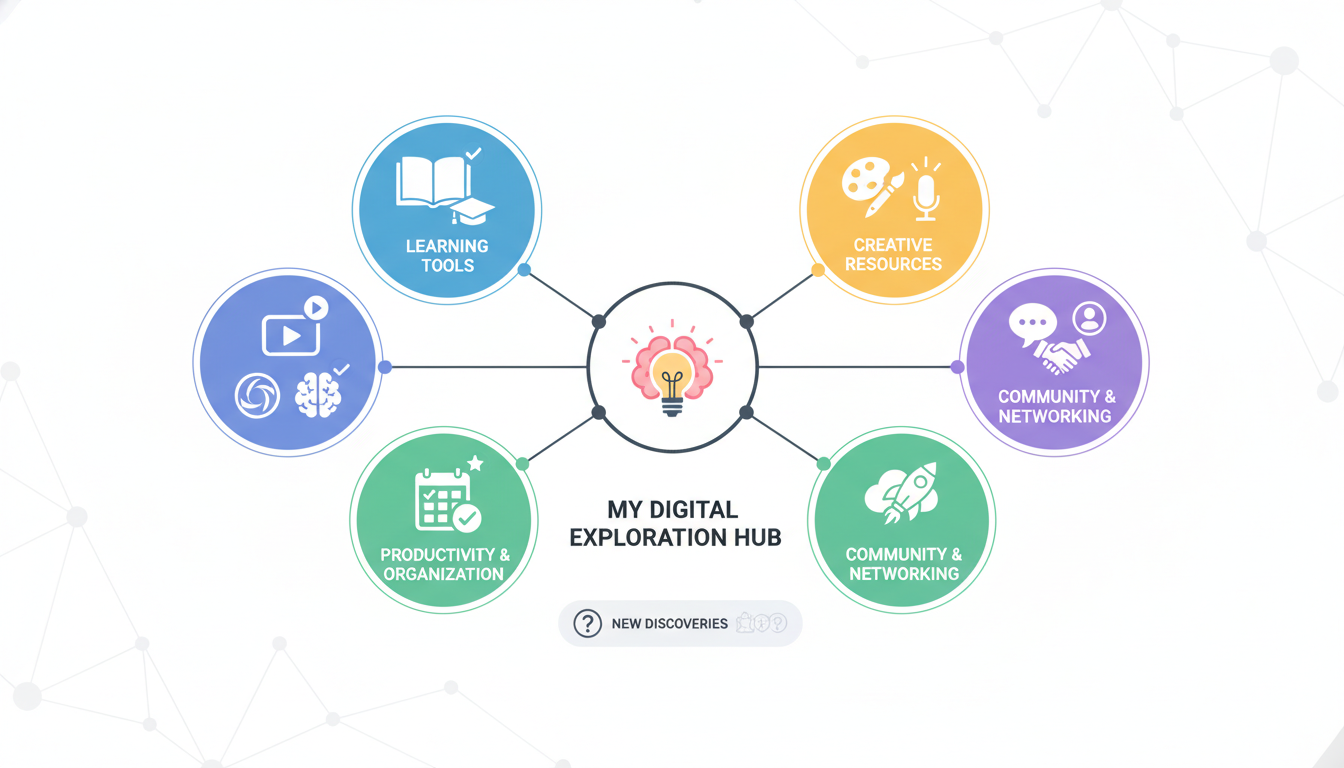
This practice transforms fleeting encounters into lasting assets, allowing you to revisit and leverage your discoveries whenever a new challenge arises. It’s the final step in making your journey of digital exploration truly impactful and sustainable.
Conclusion: The Ongoing Journey of Discovery
Spotting underrated digital finds is less about a single trick and more about cultivating a consistent approach. It’s a mindset of curiosity, a strategic set of search techniques, and a commitment to hands-on exploration and documentation. By moving beyond the default recommendations and actively engaging with niche communities and independent curators, you unlock a vast world of digital tools and resources that are often more aligned with your specific needs.
The digital landscape is constantly evolving, and with it, new opportunities for discovery emerge. Embrace the journey, trust your instincts, and enjoy the profound satisfaction that comes from unearthing a truly useful digital gem that others might have overlooked. Happy exploring!