




Headspace
lifestyle-wellnessHeadspace is a meditation and mental wellness app designed to help users build mindfulness habits, reduce everyday stress, improve sleep, practice breathing exercises, and create a calmer daily routine. This Headspace review covers its features, pros, cons, pricing, and overall score out of 10.
Pros
- Very beginner-friendly meditation experience
- Clean, calm, and easy-to-use app design
- Large library of guided meditations
- Useful sleep tools, sleep sounds, and wind-down exercises
- Good breathing exercises for quick stress relief
- Helpful for building a daily mindfulness habit
- Strong content structure with courses and categories
- Good for stress, focus, sleep, relaxation, and emotional balance
- Available on mobile, making it easy to use anywhere
- Student discount makes it more affordable for eligible users
Cons
- Most valuable content requires a paid subscription
- Free access is limited compared with the full app
- Annual pricing may feel expensive for casual users
- Not a replacement for professional therapy or urgent mental health care
- Some users may prefer less guided or more traditional meditation styles
- Content library can feel overwhelming at first
- Advanced mental wellness support may vary by region and plan
- Users need consistency to get the most value
- Not ideal for people who dislike voice-guided sessions
- Similar alternatives may offer cheaper or more flexible options
What Is Headspace?
Headspace is a meditation and mental wellness app focused on mindfulness, sleep, stress management, breathing exercises, and everyday emotional wellbeing. The app is designed to help users create small daily habits that support a calmer and more balanced lifestyle.
Unlike a simple timer app, Headspace offers guided meditations, sleep tools, mindfulness exercises, breathing practices, relaxing sounds, and mental wellness content. Headspace describes itself as a mental health app with expert-led meditations and tools for stress, sleep, focus, and overall wellbeing.
The app is especially popular because it feels beginner-friendly. Many people want to try meditation but do not know where to start. Headspace solves this by offering short, guided sessions that explain what to do, how to breathe, and how to notice thoughts without feeling overwhelmed.
For people who are new to mindfulness, this makes Headspace less intimidating than trying to meditate alone in silence.
First Impression
The first thing that stands out about Headspace is how approachable it feels. The design is colorful, calm, and easy to use. Instead of making meditation feel serious or complicated, the app presents it as something simple you can add to your daily routine.
This is one of Headspace’s biggest strengths. It does not assume you already know how to meditate. It guides you step by step, which makes it suitable for beginners, busy professionals, students, parents, creators, and anyone trying to manage daily stress more intentionally.
Headspace is also broader than a basic meditation app. It includes meditation, mindfulness, sleep content, breathing tools, stress support, and mental wellness resources. The official Headspace app page mentions guided meditations, CBT-based exercises, mindfulness tools, sleep programs, relaxing sounds, and bedtime meditations.
This makes it feel more like a complete mental wellness companion than a single-purpose meditation tool.
Main Features
1. Guided Meditations
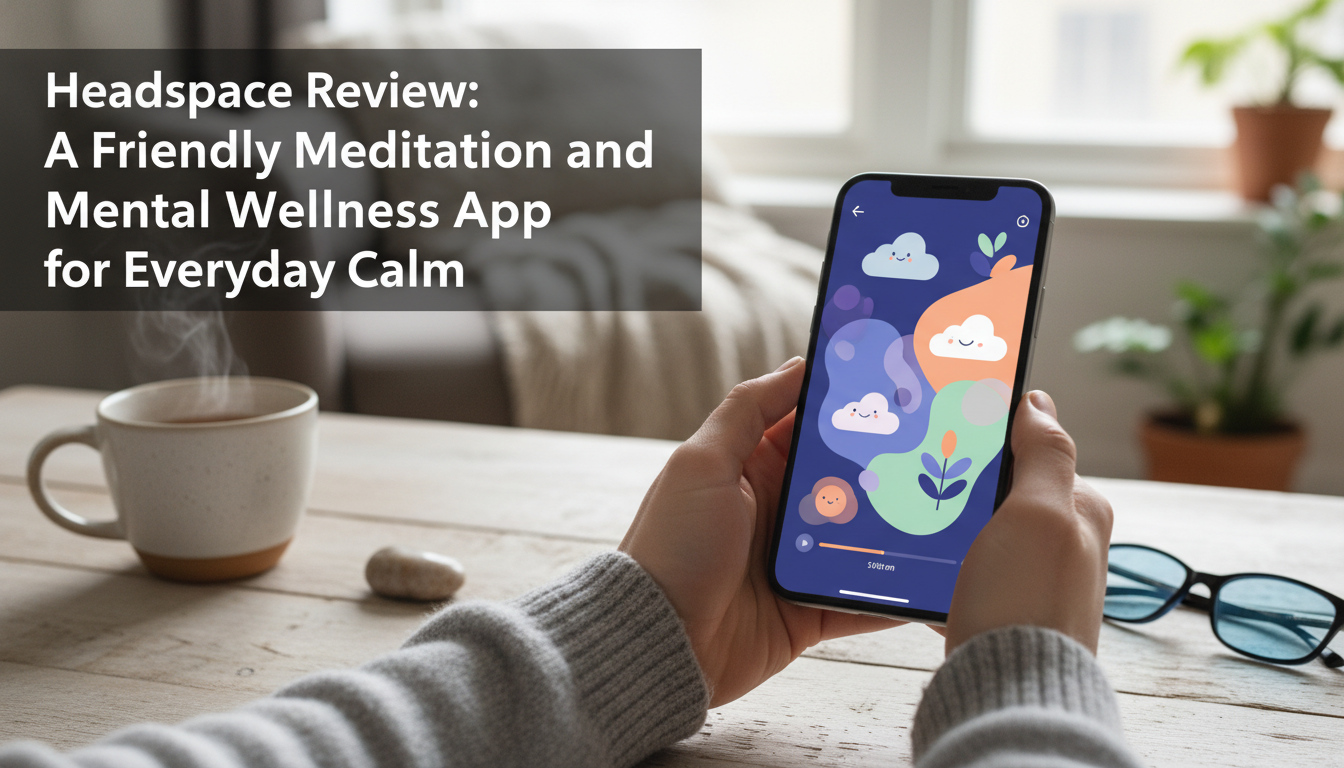
Guided meditation is the core of Headspace. The app includes meditation sessions for stress, focus, anxiety, self-compassion, resilience, sleep, and emotional balance.
Headspace’s meditation page says users can access a full library of 500+ meditations covering topics such as stress, resilience, and compassion.
This is useful because different users have different needs. Some may want a quick 3-minute reset during a stressful day. Others may want a longer session before sleep or a structured course to build a consistent mindfulness habit.
2. Sleep Tools
Headspace is also strong for sleep support. The app includes sleep meditations, sleep sounds, music, wind-down exercises, and sleep-focused content. Headspace says its sleep tools are designed to help users fall asleep and wake up feeling more refreshed.
For users who struggle with racing thoughts at night, sleep content can be one of the most useful parts of the app. Instead of scrolling social media before bed, users can follow a guided wind-down routine or listen to calming audio.
3. Stress and Breathing Exercises
Headspace offers breathing exercises and relaxation tools for stress relief. On Google Play, the app description mentions breathing exercises, guided meditations, calming breathing techniques, breathwork, and AI-powered mental health coaching.
This is helpful for users who want quick support during the day. A short breathing exercise can be easier to complete than a long meditation session, especially when someone is busy or feeling overwhelmed.
4. Mental Wellness Support
Headspace has expanded beyond meditation into broader mental wellness. The company describes its app as offering personalized support through AI-powered guidance, meditation and mindfulness, coaching, and therapy, while also partnering with employers, health plans, and organizations.
This makes Headspace more than a simple wellness app. It is becoming a broader mental health platform, although users should still understand that app-based support is not the same as emergency care or professional treatment for serious mental health conditions.
5. Beginner-Friendly Courses
One of the best parts of Headspace is its structured learning experience. Instead of giving users a large library with no direction, Headspace organizes content into courses and categories.
This is important because many people quit meditation because they do not know what to do next. Headspace makes the journey easier by giving users clear starting points and guided progress.
6. Mobile Access
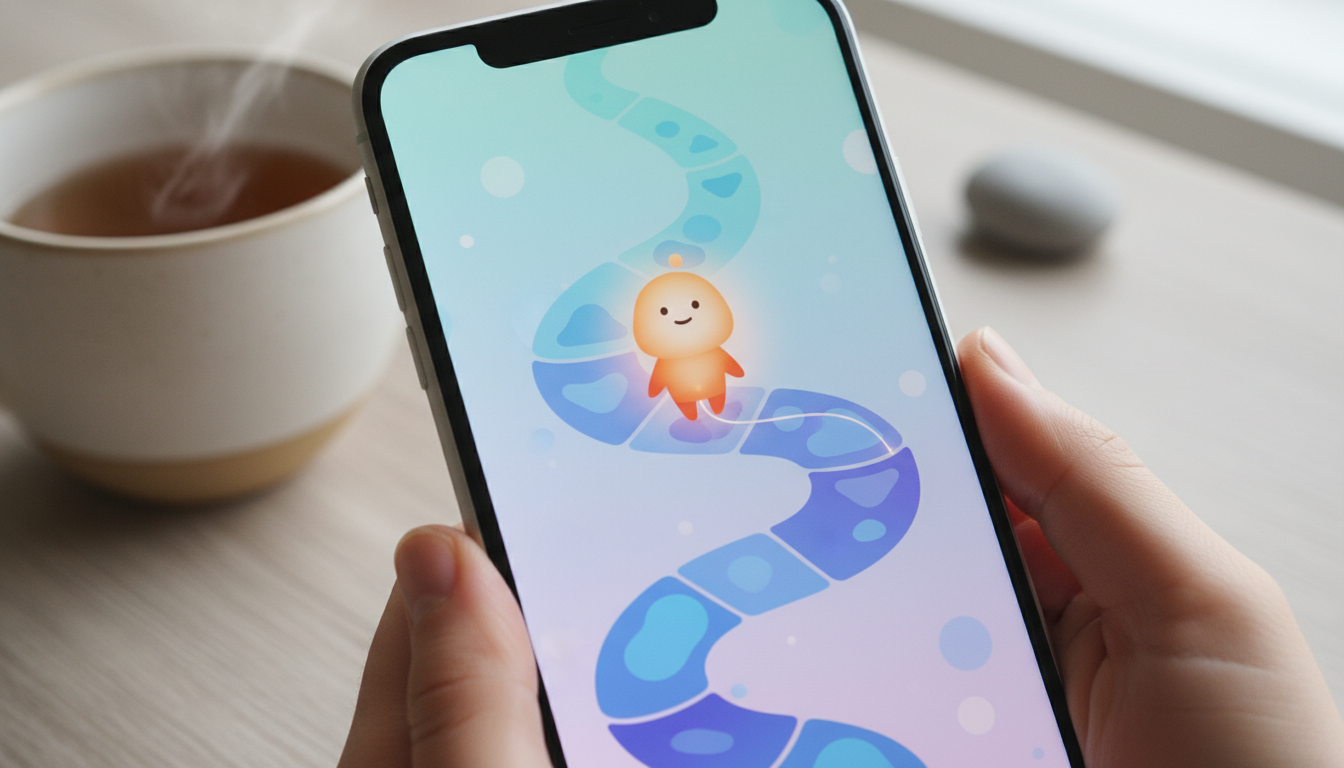
Headspace is available on mobile devices, including iOS and Android. The App Store listing describes Headspace as an expert-led guide to mental health, mindfulness, and meditation, with daily meditations and 500+ guided meditations.
This makes the app convenient for daily use. Users can meditate at home, during a work break, while traveling, before sleep, or whenever they need a short pause.
User Experience
Headspace is very easy to use. The interface is simple, clean, and relaxing. You can open the app, choose a goal, start a session, and follow the guidance without needing any meditation experience.
The tone of the app feels warm and encouraging. It does not make meditation feel like a strict discipline. Instead, it frames mindfulness as a small daily habit.
For beginners, this is extremely helpful. Many meditation apps can feel too spiritual, too silent, or too abstract. Headspace feels more practical and modern. It explains mindfulness in a way that fits everyday life.
For regular users, the large content library gives enough variety to keep the experience fresh. You can use Headspace for morning focus, midday stress relief, evening wind-down, sleep support, or emotional balance.
Pricing Overview
Headspace offers a free trial and paid subscription options. On its official subscription page, Headspace lists an annual subscription at $69.99 USD after the free trial, with automatic yearly renewal and the ability to cancel anytime.
Headspace also offers a discounted student plan. The official student plan page lists access for verified college or university students at $9.99 USD per year in the United States, with other regional prices also shown.
Pricing may vary by country, platform, promotion, app store, and plan type. Users should always check the final price in their own region before subscribing.
Pros
- Very beginner-friendly meditation experience
- Clean, calm, and easy-to-use app design
- Large library of guided meditations
- Useful sleep tools, sleep sounds, and wind-down exercises
- Good breathing exercises for quick stress relief
- Helpful for building a daily mindfulness habit
- Strong content structure with courses and categories
- Good for stress, focus, sleep, relaxation, and emotional balance
- Available on mobile, making it easy to use anywhere
- Student discount makes it more affordable for eligible users
Cons
- Most valuable content requires a paid subscription
- Free access is limited compared with the full app
- Annual pricing may feel expensive for casual users
- Not a replacement for professional therapy or urgent mental health care
- Some users may prefer less guided or more traditional meditation styles
- Content library can feel overwhelming at first
- Advanced mental wellness support may vary by region and plan
- Users need consistency to get the most value
- Not ideal for people who dislike voice-guided sessions
- Similar alternatives may offer cheaper or more flexible options
Who Should Use Headspace?
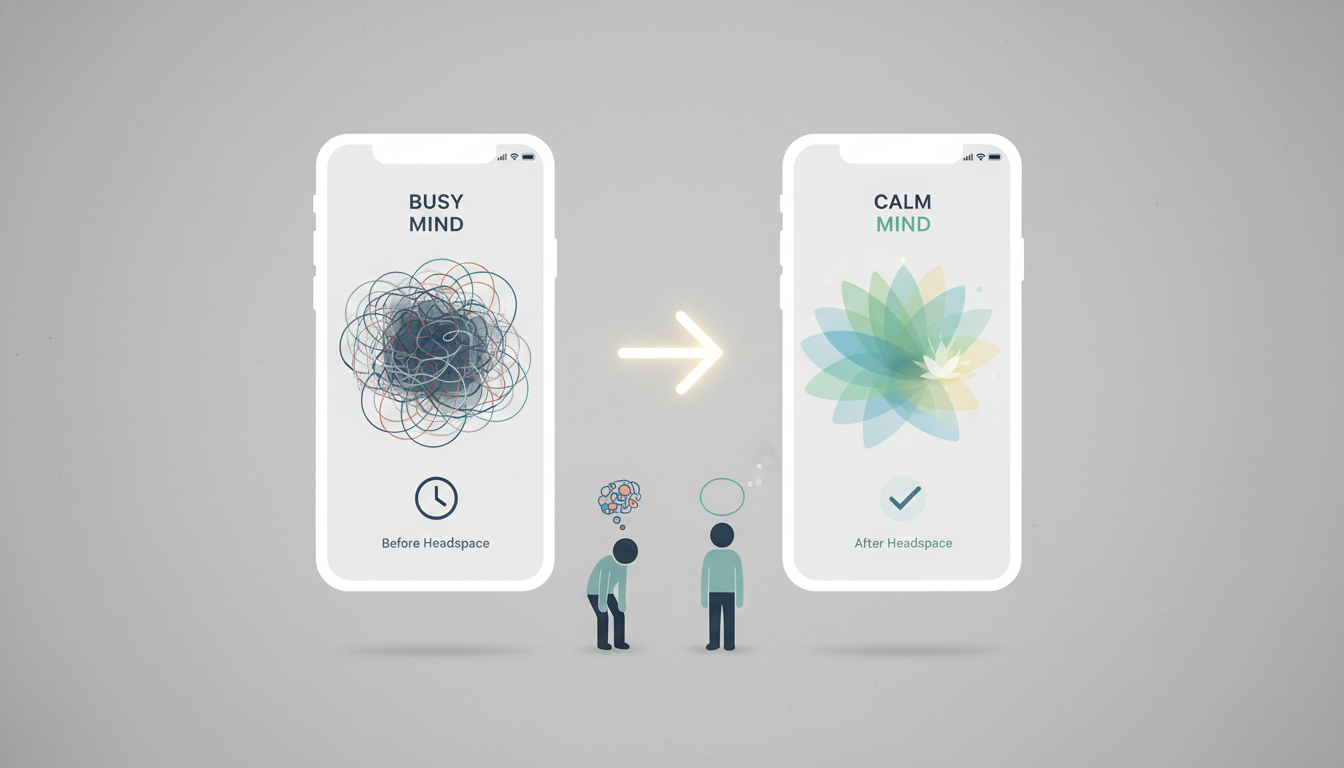
Headspace is best for people who want a simple and structured way to practice mindfulness. It is especially suitable for:
- Meditation beginners
- Busy professionals
- Students
- People dealing with everyday stress
- Users who want better sleep routines
- People who prefer guided meditation
- Creators and remote workers
- Parents with busy schedules
- Wellness-focused users
- Anyone trying to build a calmer daily routine
If you have never meditated before, Headspace is one of the easiest places to start. The sessions are clear, short, and supportive. You do not need to understand meditation theory or sit silently for a long time.
For people who already meditate, Headspace can still be useful because it offers variety, sleep content, and structured programs.
Who Is Headspace Not Best For?
Headspace may not be the best option for users who want a completely free meditation app. While the app offers a free trial and some limited access, the full experience is subscription-based.
It may also not be ideal for people who prefer silent meditation, unguided practice, spiritual meditation traditions, or highly personalized therapy.
Most importantly, Headspace should be viewed as a mental wellness support tool, not a replacement for professional mental health care. If someone is dealing with severe anxiety, depression, trauma, crisis, or urgent mental health symptoms, they should seek help from a qualified professional or emergency support service.
Final Verdict
Headspace is one of the strongest meditation and mental wellness apps for everyday users. Its biggest advantage is accessibility. It makes meditation feel simple, friendly, and practical, even for people who have never tried mindfulness before.
The app is especially useful for stress relief, sleep support, daily mindfulness, breathing exercises, and building healthier routines. Its guided content, calm interface, and structured courses make it a reliable choice for beginners and casual wellness users.
However, Headspace is not perfect. The subscription cost may feel high for occasional users, and the best content is locked behind the paid plan. It also should not be seen as a replacement for professional therapy or clinical mental health care.
Overall, Headspace is a well-designed and trustworthy meditation app for people who want a calm, guided, and beginner-friendly way to care for their mental wellbeing.


