






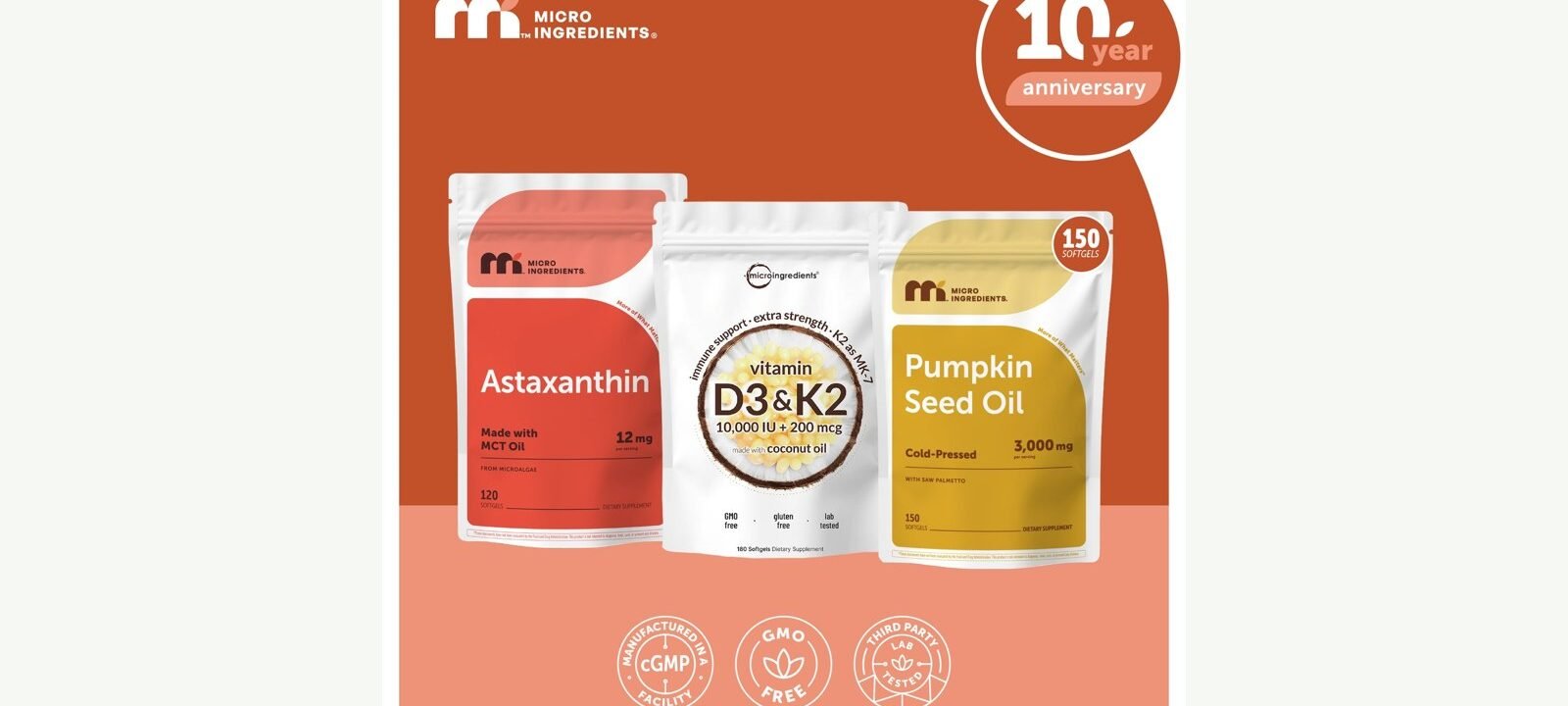
Micro Ingredients is a supplement and wellness brand built around clean-label nutrition, bulk-friendly pricing, and a broad product catalog. Instead of focusing on one hero product, the company sells a wide range of powders, capsules, softgels, superfoods, collagen products, vitamins, minerals, oils, and daily wellness staples.
This Micro Ingredients review looks at what the brand is good at, who it makes sense for, where shoppers should be cautious, and how to evaluate the catalog before buying. The short version: Micro Ingredients is best for practical supplement buyers who know what they want and care about ingredient simplicity, value, and product variety.
What Is Micro Ingredients?
On its official company page, Micro Ingredients describes itself as a California nutrition ingredients supplier focused on straightforward, effective, honest wellness. The brand says it sources premium-quality nutrition from trusted global suppliers while avoiding fillers, additives, and unnecessary markups.
The storefront at microingredients.com currently organizes products across categories such as USDA organic products, wellness and immunity, collagen, energy, sleep and mood, active fitness, women’s health, fish oils and omegas, superfoods and greens, electrolytes, vitamins, and more.
Who It Is Best For
- Value-focused supplement buyers who want larger containers, powders, capsules, or recurring staples.
- Clean-label shoppers who prefer products positioned around non-GMO ingredients and fewer unnecessary extras.
- Home wellness users building a routine around collagen, magnesium, vitamin D3/K2, greens, protein support, or superfoods.
- Fitness and active lifestyle shoppers who want hydration, recovery, joint, protein, or energy support products.
- Ingredient-aware buyers who are comfortable comparing labels rather than relying only on broad marketing claims.
Product Range
Micro Ingredients is not a narrow supplement brand. Its catalog includes popular categories like collagen peptides, multi collagen capsules, magnesium blends, vitamin D3/K2, oregano oil, pumpkin seed oil, astaxanthin, NMN products, coconut milk powder, chlorella, spirulina, electrolyte formulas, and broader wellness bundles.
That range is useful if you prefer buying several wellness staples from one store. It also means the best product choice depends on your goal. Someone shopping for collagen should compare protein amount, collagen types, serving size, flavor, and added nutrients. Someone shopping for magnesium should compare magnesium form, dose, flavor, and tolerance.
Ingredient Transparency and Testing
The official Micro Ingredients FAQ says the brand’s products are third-party lab tested for heavy metals and micro-organisms. The same FAQ says products are manufactured in the U.S. Those are useful baseline trust signals, especially for supplement buyers who care about contaminant screening.
Still, a careful buyer should go one step further. Supplements vary by batch and formula, so the strongest approach is to read the Supplement Facts panel, serving size, other ingredients, allergen statements, country-of-origin notes where shown, and any available testing documentation for the exact product you plan to use.
Pricing and Value
Micro Ingredients generally feels positioned for value rather than luxury wellness. Many items are sold in larger jars, bags, capsule counts, or bundled formats, which can make the per-serving cost more attractive than smaller boutique brands. This is especially relevant for routine-use products such as collagen, greens powders, magnesium, vitamins, and superfood powders.
The tradeoff is that buyers should avoid treating a low price as the only deciding factor. The better comparison is cost per effective serving, form of the ingredient, total active amount, flavor, return policy, and whether the product fits your actual routine. A cheap supplement you do not tolerate or do not take consistently is not good value.
Shipping and Returns
The official store links customer care pages for shipping, returns, contact, wholesale, privacy, and terms. Before ordering, check the current shipping and return policy and final checkout details, because shipping thresholds, delivery timing, and return handling can change.
This matters more for supplements than casual products. If you are buying for a specific diet, event, travel schedule, or refill cycle, confirm delivery expectations before relying on the order.
Pros and Cons
Pros
- Large catalog across superfoods, collagen, vitamins, minerals, oils, omegas, wellness, and active fitness categories
- Strong fit for shoppers who prefer simple powders, capsules, and bulk-style supplement formats
- Official site emphasizes direct sourcing, clean nutrition, non-GMO positioning, and no unnecessary fillers or additives
- FAQ says products are third-party lab tested for heavy metals and micro-organisms
- FAQ says products are manufactured in the U.S.
- Many products are priced aggressively compared with boutique wellness brands
- Useful for people who want repeat pantry staples such as collagen, spirulina, chlorella, magnesium, vitamin D3/K2, or protein support
- Free shipping threshold and return policy are clearly linked on the official store
Cons
- Supplement quality depends on the exact product, dose, form, and testing documentation, so shoppers should read each label carefully
- Large catalog can feel overwhelming if you do not already know what supplement you need
- The brand's clean-label positioning does not replace medical advice or individualized nutrition guidance
- Some product pages rely heavily on marketing copy, so buyers should compare Supplement Facts panels before ordering
- Third-party testing is stated in the FAQ, but shoppers who need certificates of analysis may still want to request documentation for the exact batch
- Prices, bundles, and sale messaging can change quickly on the Shopify storefront
- Capsule, softgel, and powder formats will not suit every routine or dietary preference
- Returns and shipping terms should be checked before ordering because supplement purchases can be time-sensitive and condition-specific
How to Choose the Right Product
Start with the outcome you want, not the most interesting product name. For example, if you want collagen support, decide whether you prefer powder or capsules and compare serving sizes. If you want magnesium, compare magnesium glycinate, threonate, citrate, or blends based on your reason for taking it. If you want greens, compare the ingredient list and dose instead of assuming all green powders are equivalent.
For any supplement routine, it is smart to start with one product at a time, use the label directions, watch tolerance, and speak with a qualified healthcare professional if you are pregnant, nursing, managing a condition, taking medication, or unsure about dosage.
Final Verdict
Micro Ingredients is worth considering if you want a broad supplement catalog, clean-label positioning, and value-oriented powders or capsules from a brand that covers many everyday wellness needs. It is especially practical for shoppers who already understand the ingredient they want and are comparing brands by formula, dose, testing claims, and price.
The main caution is to shop product by product. Read the label, compare the serving, verify current store policies, and do not treat supplements as a substitute for medical care or a balanced diet. If the catalog fits your routine, you can browse the current Micro Ingredients lineup through this affiliate link.