




Fitbit
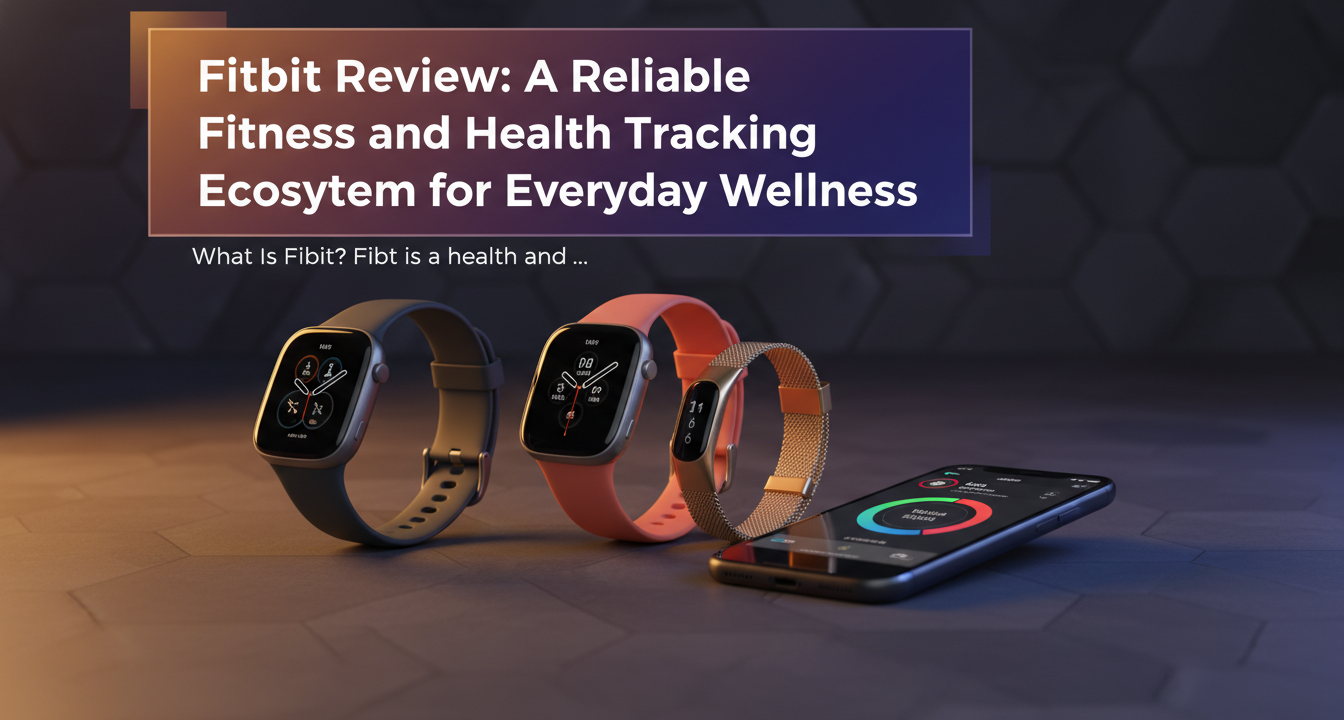
lifestyle-wellnessFitbit is a fitness tracking ecosystem that helps users monitor steps, workouts, heart rate, sleep, readiness, wellness habits, and long-term health trends. This Fitbit review covers its features, pros, cons, pricing, and overall score out of 10.
Pros
- Easy to use for beginners and everyday wellness users
- Strong activity tracking for steps, calories, distance, workouts, and cardio load
- Useful sleep tracking with sleep score, sleep duration, and sleep stages
- Good heart rate and wellness metric tracking on supported devices
- Readiness insights can help balance training and recovery
- Health and wellness logging supports weight, nutrition, water, moods, and cycles
- Works well for building daily movement and sleep awareness
- Google Health Premium adds adaptive coaching powered by Gemini
- Good option for users who want simple, visual health trends
- Strong ecosystem for people using Fitbit, Pixel Watch, or Google Health products
Cons
- Some advanced insights require Google Health Premium
- Device cost and subscription cost can add up
- Fitbit app transition to Google Health may confuse longtime users
- A Google account is required for the new Google Health experience
- Not a replacement for professional medical advice or clinical health monitoring
- Accuracy can vary depending on device, fit, activity type, and sensor conditions
- Some users may prefer Garmin, Apple Watch, or Samsung for more advanced smartwatch features
- Premium coaching may not be available equally in all regions
- Users need to wear the device consistently to get useful trends
- The ecosystem is changing, so the user experience may feel different from older Fitbit
What Is Fitbit?
Fitbit is a health and fitness tracking ecosystem that includes wearable devices, smartwatches, fitness trackers, and a companion app for monitoring daily activity, workouts, sleep, heart rate, calories, wellness habits, and health trends.
Fitbit has become one of the most recognizable names in wearable fitness because it focuses on simple everyday tracking. Instead of only targeting athletes, Fitbit is built for normal users who want to understand their daily movement, sleep quality, exercise habits, and overall wellness patterns.
A major recent update is that Fitbit is now moving deeper into the Google Health ecosystem. Google’s help page says that starting May 19, 2026, the Fitbit app is becoming the Google Health app, with the rollout happening between May 19 and May 26. Fitbit Premium is also being renamed Google Health Premium, with Google Health Coach built with Gemini for supported users.
This means Fitbit is no longer just a standalone fitness tracker brand. It is becoming part of a broader Google health and wellness experience.
First Impression
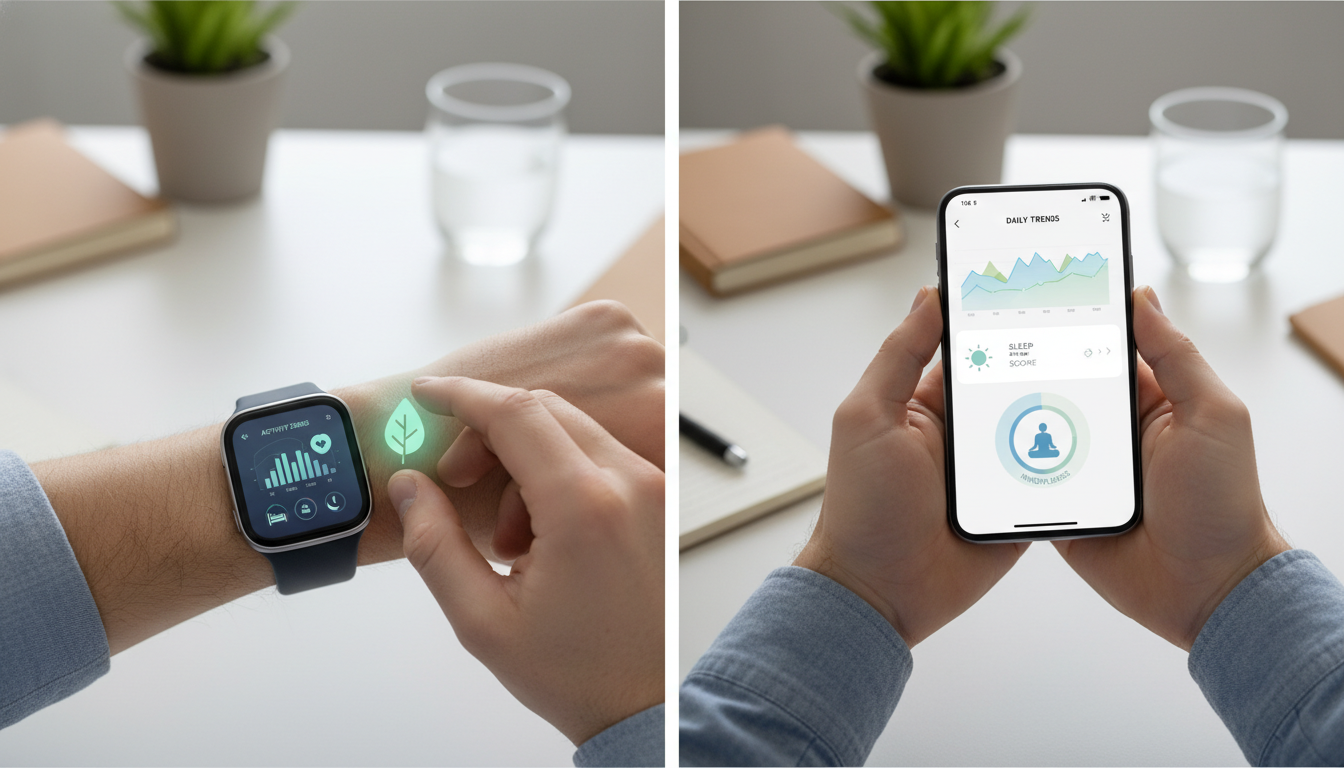
Fitbit feels practical, simple, and easy to understand. The biggest appeal is that it helps users see their health habits in a more visual way. You can track steps, workouts, sleep score, heart rate, cardio load, readiness, calories, distance, and wellness logs without needing to be a fitness expert.
The Google Health Premium page lists base tracking features such as activity tracking, sleep tracking, health tracking, and health and wellness logging when paired with a compatible watch or tracker. These include steps, calories, distance, cardio load, readiness, sleep score, sleep duration, sleep stages, heart rate, heart rate variability, breathing rate, SpO2, weight, nutrition, water intake, moods, and cycles.
For everyday users, this makes Fitbit useful because it gives structure to wellness. You do not need to guess whether you moved enough, slept well, or stayed consistent. The app gives you data that can help you notice patterns.
Main Features
1. Activity Tracking
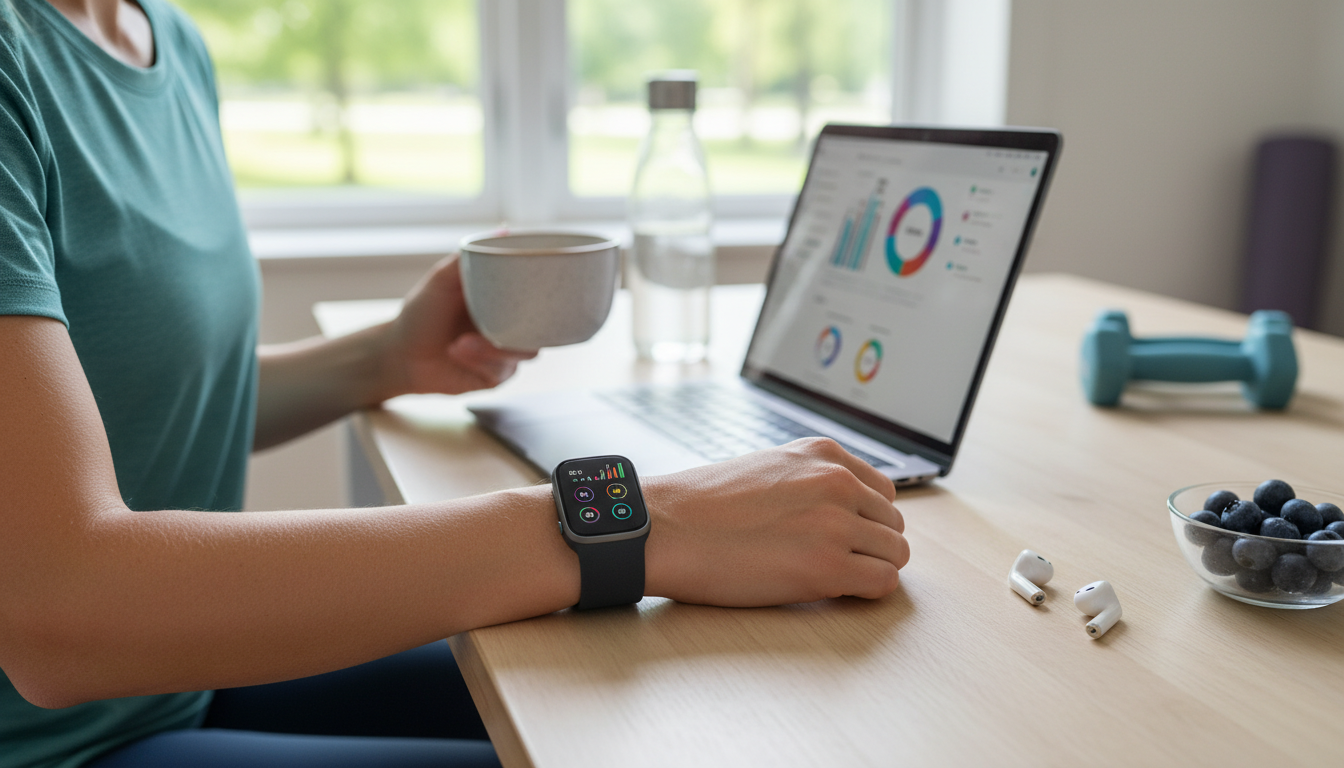
Fitbit is best known for activity tracking. It can track steps, distance, calories, cardio load, workouts, and daily movement. For people who want to become more active, this is one of the most useful features.
The value is not only in the numbers. The real value is awareness. If you sit too much, move less on weekends, or stop exercising during busy weeks, Fitbit makes those patterns easier to notice.
2. Sleep Tracking
Sleep tracking is one of Fitbit’s strongest features. Fitbit can track sleep duration, sleep schedule, sleep score, and sleep stages when used with compatible devices.
This is useful for users who want to understand their sleep routine better. You can see whether you are sleeping consistently, how long you sleep, and how your sleep patterns change over time.
Fitbit should not be treated as a medical sleep diagnosis tool, but it can be very helpful for building better sleep awareness.
3. Heart Rate and Health Metrics
Fitbit devices can track health metrics such as heart rate, heart rate variability, breathing rate, and blood oxygen on supported devices.
These metrics can help users understand trends in recovery, stress, sleep, and general wellness. For fitness users, heart rate data is also useful during workouts because it can show how hard the body is working.
However, these metrics should be used as general wellness insights, not as a replacement for professional medical advice.
4. Readiness and Recovery Insights
Fitbit also includes readiness-style insights that help users understand whether they may be ready for a harder workout or should take a lighter day. Google’s current base tracking list includes Readiness as part of the activity tracking experience when paired with a watch or tracker.
This is helpful because fitness is not only about doing more. Sometimes better progress comes from knowing when to rest, recover, or reduce intensity.
5. Google Health Premium and Health Coach
With the transition to Google Health, Fitbit Premium becomes Google Health Premium. Google says Google Health Premium unlocks fitness, sleep, and health coaching that adapts to the user, with Google Health Coach built with Gemini.
This is one of the biggest changes to Fitbit’s future. Instead of only showing data, the platform is moving toward personalized coaching, adaptive fitness plans, sleep guidance, and proactive recommendations.
Google Health Premium is listed from $9.99 on the Google Store.
6. Health and Wellness Logging
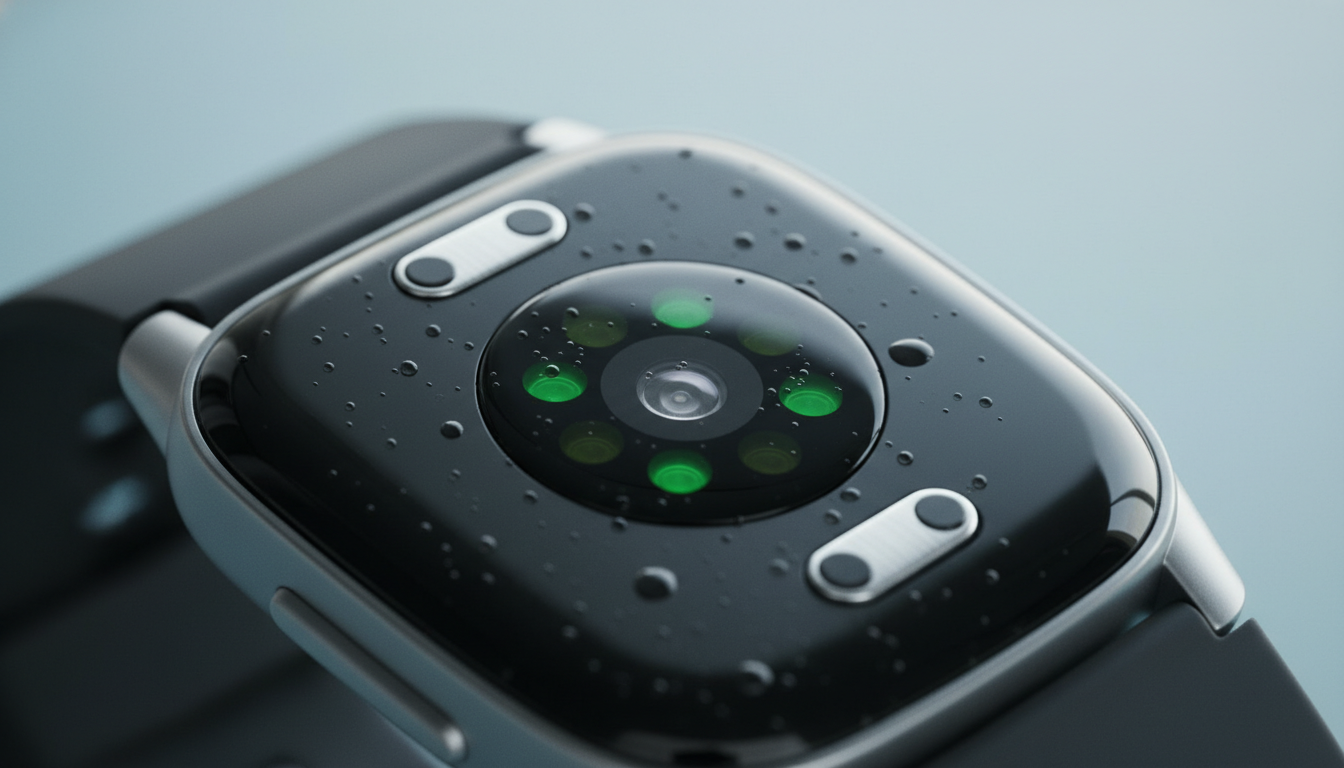
Fitbit is also useful for lifestyle tracking beyond workouts. The Google Health app supports wellness logging such as weight, nutrition, water intake, moods, and cycles.
This helps users connect different parts of their wellness routine. For example, sleep, hydration, activity, mood, and workouts can all influence how someone feels day to day.
7. Fitbit Devices and Google Ecosystem
Google Store is now the home for Fitbit products, and Google lists Pixel and Fitbit wearables as designed for Google Health.
This can be a strength for Android users and people already using Google products. However, it may also feel like a big change for longtime Fitbit users who preferred the old standalone Fitbit experience.
User Experience
Fitbit is easy to use because most of the tracking happens automatically. You wear the device, open the app, and review your stats. For beginners, this is much easier than manually logging every workout or sleep session.
The app is strongest when users check trends instead of obsessing over every number. A single bad sleep score or low step day does not matter much. The real value comes from seeing habits over weeks and months.
Fitbit is also motivating. Step goals, workout tracking, sleep scores, readiness insights, and wellness trends can encourage users to stay more consistent.
The main downside is that Fitbit is in a transition period. Since the Fitbit app is becoming Google Health, some users may need time to adjust to the new interface, Google account requirements, and renamed premium subscription. Google’s support page says users connected to a Fitbit account instead of a Google account need to move their Fitbit account to Google to use the Google Health app.
Pricing Overview
Fitbit pricing depends on the device you buy and whether you subscribe to premium features. Basic tracking is included in the Google Health app when paired with a compatible watch or tracker, including activity, sleep, health tracking, and wellness logging.
Google Health Premium is listed from $9.99 and adds adaptive fitness, sleep, and health coaching through Google Health Coach built with Gemini.
In simple terms, you can use Fitbit for core health tracking without a premium subscription, but deeper coaching and advanced guidance are tied to the paid premium experience.
Pros
- Easy to use for beginners and everyday wellness users
- Strong activity tracking for steps, calories, distance, workouts, and cardio load
- Useful sleep tracking with sleep score, sleep duration, and sleep stages
- Good heart rate and wellness metric tracking on supported devices
- Readiness insights can help balance training and recovery
- Health and wellness logging supports weight, nutrition, water, moods, and cycles
- Works well for building daily movement and sleep awareness
- Google Health Premium adds adaptive coaching powered by Gemini
- Good option for users who want simple, visual health trends
- Strong ecosystem for people using Fitbit, Pixel Watch, or Google Health products
Cons
- Some advanced insights require Google Health Premium
- Device cost and subscription cost can add up
- Fitbit app transition to Google Health may confuse longtime users
- A Google account is required for the new Google Health experience
- Not a replacement for professional medical advice or clinical health monitoring
- Accuracy can vary depending on device, fit, activity type, and sensor conditions
- Some users may prefer Garmin, Apple Watch, or Samsung for more advanced smartwatch features
- Premium coaching may not be available equally in all regions
- Users need to wear the device consistently to get useful trends
- The ecosystem is changing, so the user experience may feel different from older Fitbit
Who Should Use Fitbit?
Fitbit is best for people who want a simple and friendly way to track fitness, sleep, and everyday wellness. It is especially suitable for:
- Fitness beginners
- People trying to walk more
- Users who want better sleep awareness
- Busy professionals
- Students
- People building healthier daily routines
- Users who want simple health tracking
- People who prefer lightweight fitness trackers
- Pixel Watch and Google ecosystem users
- Anyone who wants wellness trends without complicated fitness data
Fitbit is especially good for users who want motivation and consistency. If your goal is to move more, sleep better, track workouts, and understand your health habits, Fitbit is a strong choice.
Who Is Fitbit Not Best For?
Fitbit may not be the best choice for users who want advanced sports analytics, professional athlete-level training tools, or a full smartwatch experience with the deepest app ecosystem.
It may also not be ideal for users who dislike subscriptions. While core tracking is available, the most advanced coaching experience is connected to Google Health Premium.
Fitbit is also not a medical device replacement. If you have serious health symptoms, abnormal readings, or medical concerns, you should speak with a qualified healthcare professional instead of relying only on wearable data.
Final Verdict
Fitbit remains one of the best fitness tracking ecosystems for everyday users. Its biggest strength is simplicity. It helps people understand movement, sleep, heart rate, recovery, and wellness habits without making the experience too complicated.
The transition into Google Health is a major change. For some users, this will be positive because it brings Fitbit into a broader Google-powered health platform with Gemini-based coaching. For others, it may feel like a shift away from the classic Fitbit experience.
Overall, Fitbit is highly recommended for beginners, wellness-focused users, and people who want an easy way to track daily health habits. It is not the most advanced tool for elite athletes, but it is excellent for everyday fitness, sleep, and lifestyle awareness.


