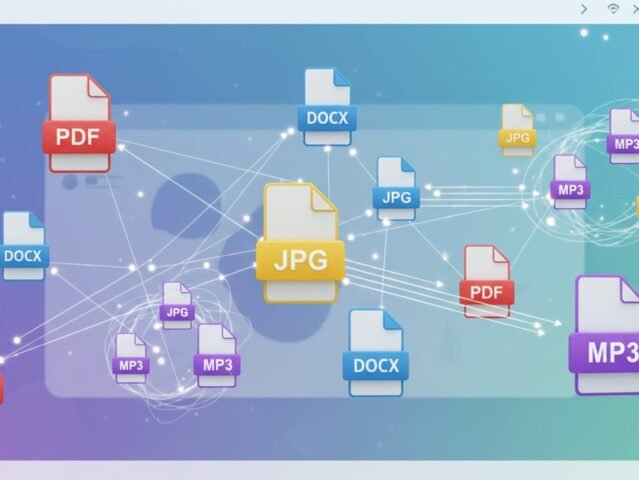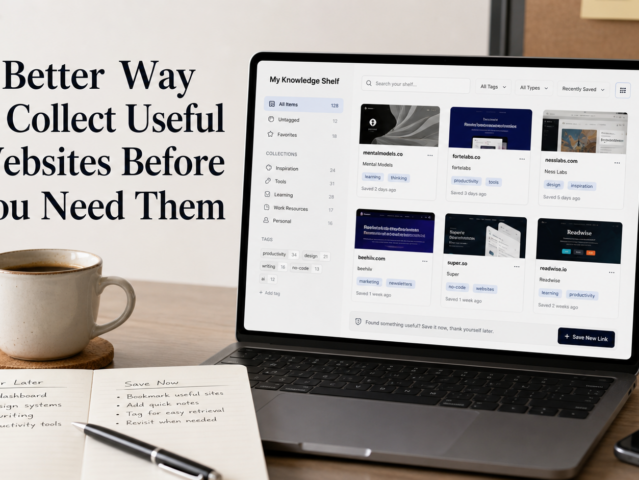


In our hyper-connected world, information isn’t just abundant; it’s often overwhelming. We’re bombarded daily with data from countless sources – news, social media, research, reviews. This constant influx, while offering unprecedented access to knowledge, frequently leaves us scattered, confused, and paralyzed by choice. The challenge isn’t finding information; it’s making sense of it – transforming a messy pile of facts, opinions, and figures into clear, actionable insights. Fortunately, the same digital landscape that creates this overload also offers powerful tools to combat it. A new generation of websites and web applications helps us navigate this complexity, offering elegant solutions to compare, verify, summarize, organize, and ultimately, decide with confidence. This guide explores a collection of such useful websites – digital allies that help you build clarity from chaos, empowering you to cut through the noise and arrive at clear, informed decisions.
Taming the Data Deluge: Summarization and Synthesis
One immediate challenge of information overload is processing vast amounts of text. Long articles, extensive reports, and lengthy emails consume valuable time. Websites dedicated to summarization and synthesis offer a powerful antidote, extracting core ideas and presenting them in a digestible format. These tools leverage advanced algorithms, including natural language processing (NLP) and artificial intelligence, to identify key sentences and arguments. Instead of manual skimming, you get a concise overview in seconds, quickly grasping main points and deciding if deeper engagement is necessary. This is invaluable for research, market analysis, or understanding documents. Beyond simple summarization, some platforms offer synthesis, combining multiple pieces of information into a coherent narrative. Imagine feeding several articles on a topic into a tool and receiving a unified summary highlighting common themes. This moves beyond extraction to knowledge consolidation, saving hours of manual compilation and helping identify gaps. When selecting a tool, consider its accuracy, summary length control, and ability to handle various content types (web pages, PDFs, plain text). Many offer browser extensions for on-the-fly summarization.
Key features to look for:
- High accuracy and coherence.
- Support for diverse input formats (URLs, PDFs, plain text).
- Customizable summary length.
- Integration options (browser extensions).
- Ability to synthesize multiple sources.

Fact-Checking and Verification: Building Trust in Information
In an era rife with misinformation, verifying information accuracy is paramount. Before making any decision based on data, ensuring its reliability is crucial. Fact-checking websites and verification tools serve as essential guardians against false claims, helping us distinguish between credible sources and misleading content. These platforms often employ human journalists and sophisticated algorithms to scrutinize claims, cross-reference sources, and identify falsehoods. They don’t just tell you if something is true or false; they explain *why*, providing evidence and links to original sources. This transparency builds trust in the information and the verification process. Beyond dedicated fact-checking sites, other verification tools assess source credibility. Reverse image search engines, for example, reveal an image’s original context, helping uncover manipulation or out-of-context use. This is useful for debunking viral photos or videos. Similarly, tools analyzing website domains provide insights into a site’s age, ownership, and reputation, offering clues about potential bias or reliability. Developing a habit of verification is critical, empowering you to make decisions based on solid ground and protecting against misleading narratives.
Comparison and Analysis: Seeing Differences Clearly
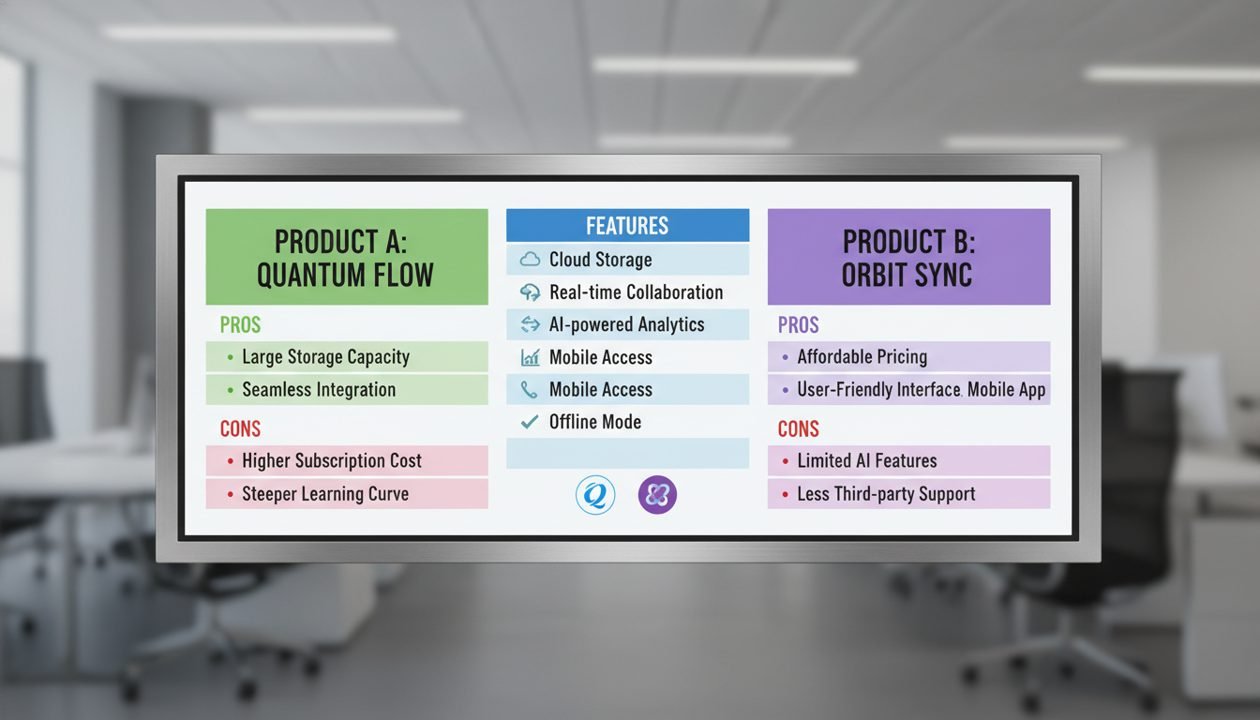
When faced with multiple options – products, services, software, or problem approaches – systematic comparison is vital for informed choice. Comparison and analysis websites streamline this process, presenting alternatives side-by-side and highlighting key features, pros, cons, and pricing. These platforms often go beyond simple feature lists, incorporating aggregated user reviews, expert opinions, and performance benchmarks. This data saves immense effort from visiting countless individual websites, laying out all information in a clear, comparable format. Invaluable for choosing anything from a new smartphone to an insurance plan. For professionals, it means comparing project management tools, vendors, or investments. The goal is to move beyond gut feelings and base decisions on objective data and user experiences. Some comparison sites specialize in niches (e.g., G2, Capterra for software; NerdWallet for finance), while others offer broader capabilities. Their power lies in standardizing information across offerings, making true apples-to-apples comparisons possible. When using these tools, pay attention to the comparison criteria and look for customizable filters to narrow options based on your most important requirements. Here’s a checklist for effective comparison:
- Define Your Needs: Clearly list your must-haves and nice-to-haves.
- Identify Key Metrics: Determine the most important features, specs, or performance indicators.
- Consult Multiple Sources: Cross-reference information from several reputable platforms for a balanced view.
- Read User Reviews Critically: Look for patterns in reviews rather than isolated extreme opinions.
- Consider Long-Term Value: Think beyond initial cost to maintenance, support, scalability, and hidden fees.
- Test if Possible: Take advantage of trials or demos to experience options firsthand.
Organizing the Chaos: Structuring Your Thoughts and Information
Information isn’t useful if it’s scattered across countless tabs, documents, and sticky notes. Effective decision-making hinges on having all relevant data organized and easily accessible. Websites and applications for information organization provide the digital infrastructure to collect, categorize, and connect your thoughts and resources, transforming chaos into a structured knowledge base. These tools range from sophisticated note-taking apps with complex linking and tagging to project management platforms that track progress. The core idea is a centralized hub for all your information – research notes, meeting minutes, project requirements, personal reflections – in an orderly fashion. Consider a digital notebook that stores text, embeds links, images, PDFs, and audio, allowing you to link related notes and create a web of interconnected ideas. This “second brain” approach ensures no valuable information gets lost and context is quickly retrieved. For collaborative efforts, these tools are critical. Teams can share notes, documents, and project boards, ensuring everyone works from the same, up-to-date information. Popular examples include Notion, Obsidian, and Evernote. Mind mapping tools also offer a visual way to brainstorm and structure ideas. Consistency is key to successful information organization; regular use reduces stress, increases efficiency, and clarifies decisions.
Decision-Making Frameworks: Guiding Your Choices
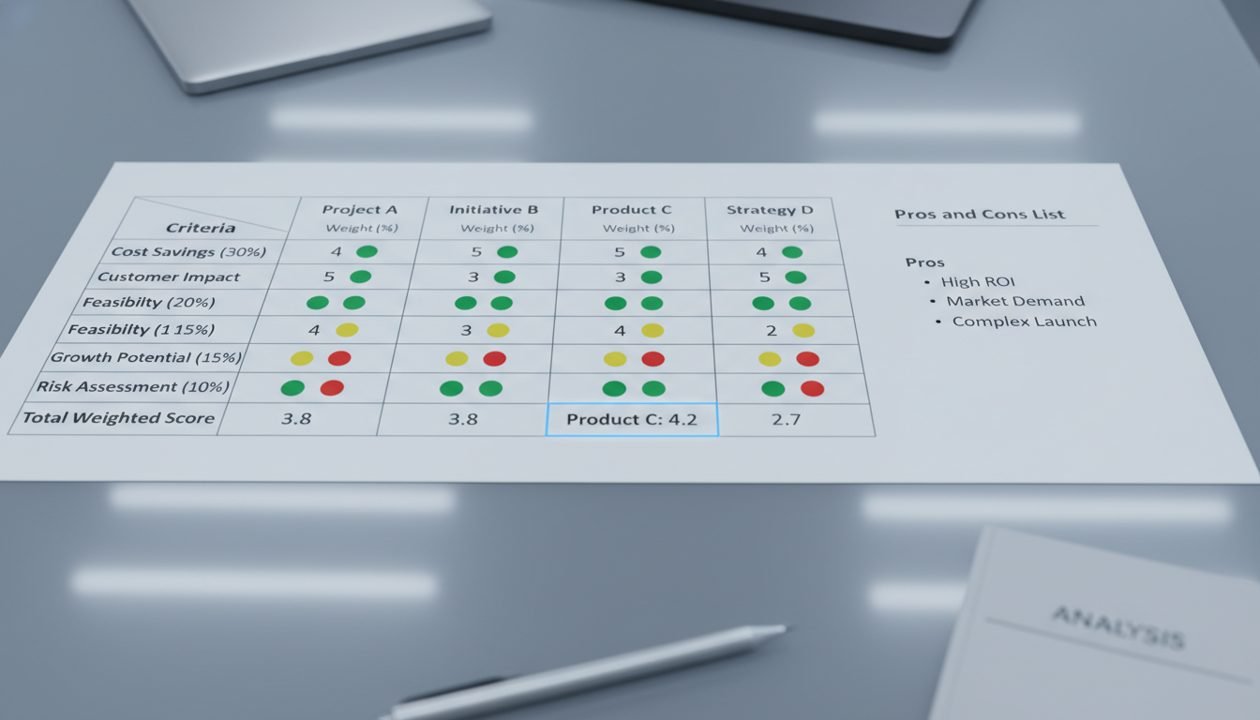
Sometimes, the problem isn’t a lack of information, but a lack of a clear process for evaluating it. Decision-making frameworks provide structured approaches to weigh options, assess risks, and arrive at a logical conclusion. Several websites offer templates and interactive tools that guide you through these frameworks, making complex choices more manageable. One common framework is the Pros and Cons list, enhanced by online tools allowing you to assign weights to different factors, reflecting their relative importance. This adds nuance, ensuring critical factors carry more influence. Another powerful tool is the Decision Matrix (Pugh matrix/criteria matrix), which evaluates options against predefined, weighted criteria. Scores are multiplied by weights and summed, providing an objective numerical basis for comparison. Interactive templates automate calculations, letting you focus on defining criteria and scoring options. For complex scenarios, platforms may offer tools for SWOT analysis, Eisenhower Matrix for prioritization, or advanced statistical decision models. The benefit of structured frameworks is they force you to articulate criteria, consider all relevant factors, and evaluate options systematically. This reduces cognitive biases, emotional responses, and impulsive choices, providing a transparent, defensible rationale for your decision. When exploring these tools, look for:
- Customizability: Can you define your own criteria and assign custom weights?
- Ease of Use: Is the interface intuitive and straightforward?
- Collaboration Features: Can you share and collectively edit the framework with others?
- Reporting/Export: Can you easily save or export the results for documentation?
Visualizing Information: Making Sense of Complexity at a Glance
Raw data, especially in large quantities, can be daunting. Our brains process visual information faster and more effectively than text or numbers. Data visualization websites are indispensable here, transforming complex datasets into intuitive charts, graphs, infographics, and dashboards. This allows you to quickly spot trends, identify outliers, and understand relationships hidden in a spreadsheet. These tools democratize data analysis, making it accessible even without specialized statistical knowledge. You don’t need to be a graphic designer or data scientist to create compelling visuals. Many platforms offer drag-and-drop interfaces, pre-designed templates, and a wide array of chart types, from simple bar graphs and line charts to advanced scatter plots and heatmaps. These visuals not only aid understanding but also make presentations more persuasive, conveying complex stories in seconds. Beyond static charts, some advanced visualization tools offer interactive dashboards, allowing users to filter data, drill down into specifics, and explore different facets dynamically. This interactivity empowers deeper analysis and more robust, collaborative decision-making. Whether tracking personal finances, analyzing website traffic, or presenting business results, visualizing data is a powerful step towards clarity, helping you move from simply having data to truly understanding its meaning and suggested actions.
Collaborative Clarity: Group Decision-Making Made Easier
Many significant decisions are made collaboratively. However, group discussions often devolve into endless debates, groupthink, or situations where dominant voices overshadow others. Websites designed for collaborative decision-making aim to bring structure, transparency, and efficiency to this process, ensuring all voices are heard and a clear path forward is achieved. These tools often provide shared virtual spaces for teams to brainstorm ideas, collect feedback, vote on options, and track action items. Online whiteboards (like Miro or Mural) allow multiple users to simultaneously add sticky notes, draw diagrams, and organize thoughts, mimicking in-person brainstorming but with digital persistence and easy sharing. Polling and survey tools are invaluable for quickly gauging opinions and preferences, revealing majority stances or highlighting disagreements needing further discussion. Shared document platforms (like Google Docs or Microsoft 365) also play a crucial role, allowing teams to co-create proposals, analyze data, and refine criteria in real-time. For more formal group decisions, some platforms offer structured voting mechanisms, consensus-building tools, or features for managing proposals and approvals. The ultimate goal is to foster an environment where information is shared openly, ideas are evaluated fairly, and decisions are made collectively and efficiently, transforming potentially messy group dynamics into clear, productive decision-making processes.
Conclusion: Your Toolkit for Informed Choices
Navigating the modern information landscape can feel like trying to drink from a firehose. The sheer volume and velocity of data often leave us overwhelmed, making it difficult to discern what truly matters and how to act upon it. Fortunately, the digital world offers a powerful arsenal of websites and web applications designed to cut through this noise. From summarizing lengthy documents and rigorously fact-checking claims to systematically comparing options and visually interpreting complex data, these tools empower you to transform scattered information into clear, actionable insights. They provide frameworks to organize thoughts, mechanisms to verify facts, and structures to make well-reasoned decisions, whether working alone or collaborating. Embracing these digital allies isn’t about outsourcing your thinking; it’s about augmenting it – leveraging technology to enhance critical thinking, improve efficiency, and reduce cognitive load. By integrating these useful websites into your daily workflow, you can move beyond feeling paralyzed by data and become a confident, informed decision-maker. The journey from messy information to clear decisions is ongoing, but with the right tools, it becomes significantly smoother and more rewarding. Start experimenting today, and discover how they can empower you to make smarter, more confident choices.