

The Imperative of Source Verification in the Digital Age
In an era defined by the rapid dissemination of information, the ability to critically evaluate sources has never been more crucial. Every day, countless articles, images, and videos flood our social feeds and inboxes, each vying for our attention and belief. While many pieces of content are legitimate and informative, a significant portion can be misleading, inaccurate, or even deliberately false. Sharing unverified information, even with good intentions, contributes to the proliferation of misinformation, eroding trust and potentially influencing public discourse in detrimental ways.
Developing a robust habit of source verification is not merely a good practice; it is a fundamental aspect of digital citizenship. Before you click ‘share’ or ‘retweet,’ taking a few moments to scrutinize the origin and context of the content can make a profound difference. This article explores a selection of powerful, yet often underrated, web tools designed to empower you in this vital task. These resources move beyond basic search engine queries, offering deeper insights into the credibility, history, and potential biases of online information, helping you to become a more discerning consumer and contributor to the digital landscape. Consider these core reasons for diligent source checking:
- Combating Misinformation: Directly reduces the spread of false narratives.
- Protecting Reputation: Prevents inadvertently endorsing unreliable content.
- Informing Decisions: Ensures personal and collective choices are based on accurate data.
- Fostering Trust: Contributes to a more credible and reliable online environment.
Unmasking Visuals with Advanced Reverse Image Search
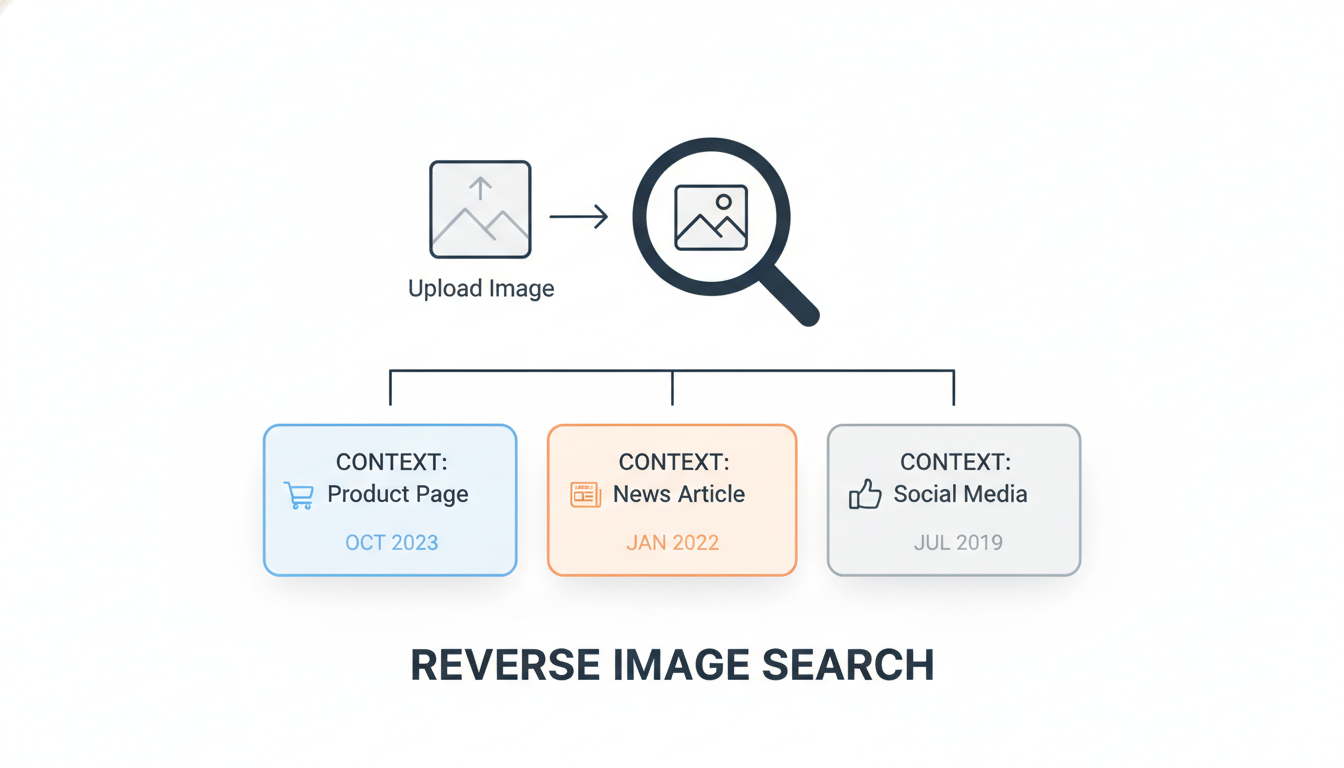
Images and videos are powerful conveyors of information, but they are also easily manipulated or repurposed out of context. While Google Images offers a basic reverse image search, several other platforms provide more comprehensive or specialized results, crucial for verifying the authenticity and original context of visual content. These tools can help determine if an image is old news being presented as current, if it has been digitally altered, or if it originates from a completely different event or location than claimed.
TinEye, for instance, excels at finding exact or heavily modified copies of an image across the web, often revealing its earliest known appearance. This is invaluable for tracing an image’s lineage and identifying its original publication date. Yandex Images, a Russian search engine, sometimes yields different results due to its distinct indexing algorithms and focus on certain regions, making it a valuable secondary check. Bing Visual Search also offers unique capabilities, including object recognition within images, which can help identify specific elements or landmarks that might provide clues to an image’s true origin. Integrating these tools into your verification process ensures a more thorough examination of visual evidence. When using these tools, consider:
- Original Source: Where did the image first appear?
- Date of Publication: Is the image current or historical?
- Contextual Use: How has the image been used by others?
- Alterations: Are there signs of digital manipulation?
Leveraging Fact-Checking Organizations and Databases
When encountering claims that seem too good, or too outrageous, to be true, turning to established fact-checking organizations is a critical step. These independent bodies dedicate themselves to verifying the accuracy of public statements, viral content, and news stories. Websites like Snopes, PolitiFact, and FactCheck.org maintain extensive databases of previously debunked or verified claims, offering detailed analyses, evidence, and ratings of accuracy. Before attempting to verify a claim from scratch, a quick search on these platforms can often provide immediate clarity, saving considerable time and effort.
Beyond the well-known names, international organizations like AFP Fact Check and the International Fact-Checking Network (IFCN) provide broader coverage and a global perspective, which is particularly useful for international news or claims originating outside your immediate region. These organizations adhere to strict journalistic standards and methodologies, providing transparent explanations for their conclusions. Regularly consulting their archives not only helps in verifying specific pieces of information but also educates users on common misinformation tactics and recurring false narratives, strengthening overall media literacy. Always cross-reference findings from multiple fact-checkers if a claim is highly contentious. Key aspects to look for in their reports include:
- Evidence Cited: Do they provide links to primary sources?
- Methodology: Is their verification process clearly explained?
- Rating System: How do they categorize the accuracy of the claim?
- Date of Review: Is the fact-check recent and relevant?
Deconstructing Websites with Domain and Site Analysis Tools
The credibility of an online article or source is often intrinsically linked to the website hosting it. Domain and site analysis tools provide a crucial layer of investigation, allowing users to look beyond the surface content and examine the foundational details of a website. A Whois lookup, for instance, can reveal information about the domain’s registrant, creation date, and expiration date. While some information may be anonymized for privacy, a very recent creation date for a site purporting to be a long-standing news organization can be a significant red flag, indicating a potential “fly-by-night” operation designed to spread specific narratives.
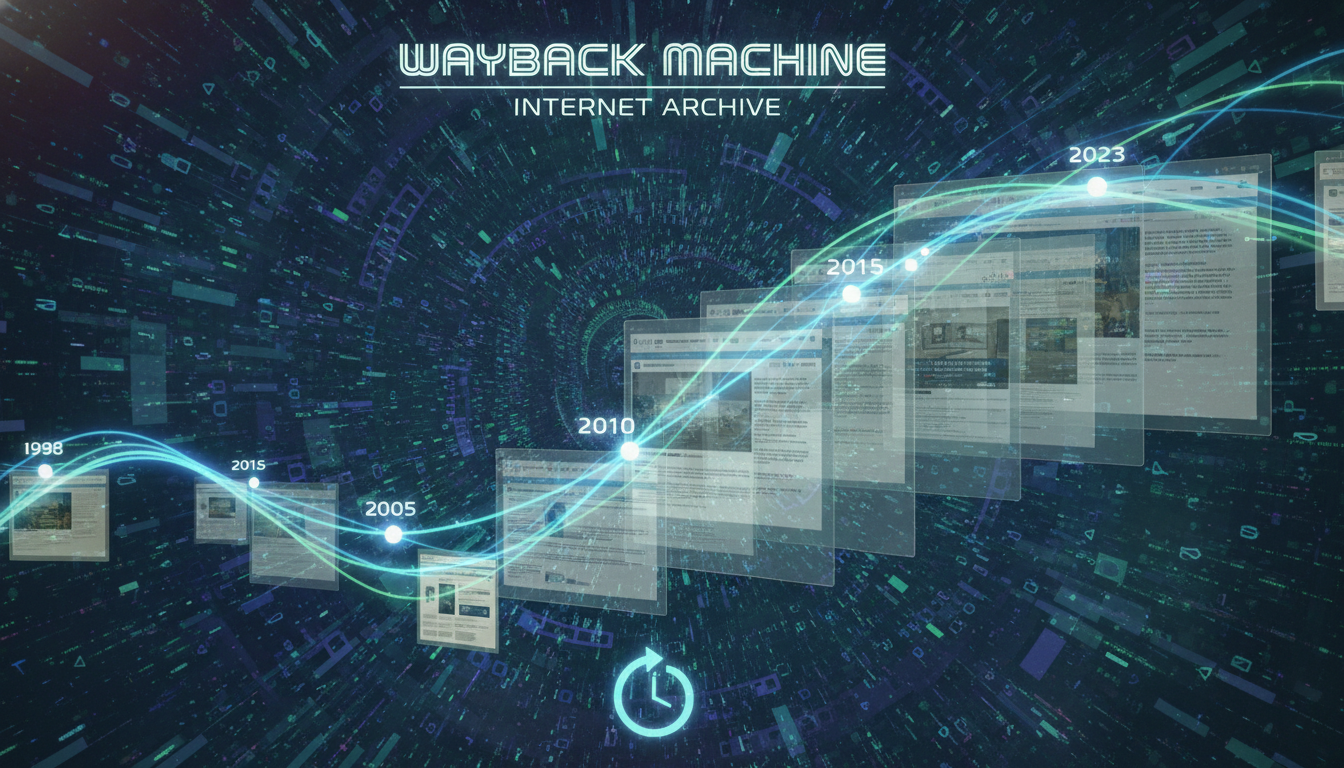
Beyond ownership, tools like the Wayback Machine (archive.org) offer historical snapshots of websites, showing how a site has evolved over time. This is invaluable for detecting if a site has drastically changed its content or purpose, or if it has been repurposed from an entirely different entity. Other tools can analyze a website’s server location, traffic patterns, and even its associated IP addresses, providing a more complete picture of its digital footprint. A site hosted in an unexpected country or with unusually low traffic for its claimed influence might warrant further scrutiny. These technical details, when pieced together, can offer powerful insights into a source’s potential agenda or lack of genuine authority. When evaluating a website, consider:
- Domain Age: Is the site relatively new despite claiming authority?
- Registrant Information: Is the owner transparent or anonymized?
- Site History: Has the content or purpose changed significantly over time?
- Server Location: Does the hosting country align with the site’s stated origin?
Identifying Perspectives with Bias Detection Tools
Every piece of information is presented through a particular lens, and understanding that lens—the inherent bias of a source—is fundamental to comprehensive source verification. Bias is not inherently negative; it simply reflects the perspective, values, or editorial stance of the creator or publisher. However, unacknowledged or extreme bias can distort facts, omit crucial context, or present opinions as objective truths. Tools designed to analyze media bias help users identify where a source falls on the political or ideological spectrum, enabling a more nuanced interpretation of its content.
Platforms like AllSides and Media Bias/Fact Check (MBFC News) aggregate and rate news sources based on their perceived leanings, often categorizing them as left, center-left, center, center-right, or right. Some even provide a “factual reporting” rating, assessing how consistently a source adheres to factual accuracy regardless of its bias. By cross-referencing a news story with these tools, you can gain insight into the potential slant of the reporting. This doesn’t mean dismissing a source entirely, but rather approaching its content with an awareness of its perspective, allowing you to seek out diverse viewpoints and construct a more balanced understanding of complex issues. It encourages critical engagement rather than passive consumption. When assessing bias, consider:
- Stated Mission: Does the organization explicitly declare its editorial stance?
- Language Used: Is the tone neutral, or does it employ loaded words?
- Omissions: What information might be left out due to a particular viewpoint?
- Source Selection: Does the article primarily quote sources that support a single narrative?
Preserving and Comparing with Archiving and Snapshot Tools
The internet is a dynamic environment where content can be altered, deleted, or moved without notice. This fluidity poses a significant challenge to source verification, as a link that was valid yesterday might lead to a changed page or a 404 error today. Archiving and snapshot tools address this by creating immutable copies of web pages at a specific moment in time. These digital snapshots serve as crucial evidence, allowing users to verify what a page said or looked like when a claim was made, even if the original content has since been modified or removed.
Tools like Archive.is (also known as Archive.today) and Perma.cc allow users to create on-demand archives of web pages. Simply paste a URL, and the tool generates a permanent link to a static copy of that page. This is invaluable for documenting claims, preserving evidence for fact-checking, or simply ensuring that you can always refer back to the original context of a piece of information. The Wayback Machine, while primarily known for archiving entire websites, also allows for specific page snapshots, offering a historical record of how individual pages have changed over time. Utilizing these tools ensures that your verification efforts are based on stable, verifiable evidence, protecting against the shifting sands of online content. Consider these benefits:
- Proof of Content: Establishes what a page said at a specific time.
- Tracking Changes: Reveals modifications made to content over time.
- Circumventing Deletion: Accesses content that has been removed from the live web.
- Contextual Preservation: Ensures the original surrounding information is retained.

Decoding Data with Visualization and Statistical Tools
Many compelling arguments and news stories rely heavily on statistics and data visualizations. However, numbers can be easily misrepresented, and graphs can be designed to mislead, even if the underlying data is technically accurate. To truly verify claims involving data, it’s essential to go beyond the presented charts and tables and examine the raw data and its original source. Tools and databases that provide access to official statistics and allow for independent data exploration are invaluable in this process, enabling users to contextualize, compare, and even re-visualize information.
Resources like Our World in Data, the World Bank Data, and national statistical agencies (e.g., Eurostat, U.S. Census Bureau) offer vast repositories of reliable, peer-reviewed data on a multitude of topics. By consulting these primary sources, you can verify if the statistics cited in an article are accurate, if they are being presented in their full context, and if any crucial caveats have been omitted. Furthermore, some platforms offer interactive visualization tools that allow you to manipulate data yourself, helping to identify if a graph’s scale, axis labels, or chosen timeframes are intentionally skewed to support a particular narrative. This critical engagement with data empowers you to discern genuine insights from statistical sophistry. When evaluating data-driven claims, follow this checklist:
- Identify the Data Source: Is it a reputable, primary source or a secondary interpretation?
- Check the Original Context: Are the statistics presented in their full, original context?
- Examine Visualizations: Are axes labeled clearly? Is the scale appropriate? Are any data points missing?
- Look for Caveats: Are there any limitations or conditions to the data that are not mentioned?
- Compare with Other Sources: Do other reliable data sets corroborate the figures?
Integrating Verification into Your Digital Routine
The array of tools discussed in this article represents a powerful arsenal against misinformation, but their true effectiveness lies in their consistent application. Integrating source verification into your daily digital routine doesn’t require becoming a full-time investigator; rather, it involves cultivating a habit of healthy skepticism and knowing which tool to reach for when a piece of information warrants closer inspection. Start by questioning headlines, scrutinizing images, and always considering the source before accepting information at face value. Even a quick 30-second check can often reveal significant discrepancies.
The goal is not to distrust all information, but to build confidence in what you choose to believe and share. By combining reverse image searches, fact-checker databases, domain analysis, bias detection, archiving, and data verification, you create a comprehensive framework for evaluating online content. This multi-faceted approach ensures that you’re not relying on a single point of failure in your verification process. As you practice, these tools will become second nature, transforming you into a more informed, responsible, and resilient participant in the digital world, contributing positively to the collective pursuit of truth. To effectively integrate these tools:
- Start Small: Pick one or two tools to master first.
- Be Curious: Question assumptions and seek out alternative explanations.
- Practice Regularly: The more you use them, the faster and more intuitive it becomes.
- Share Knowledge: Encourage others to adopt similar verification habits.