

In the relentless pace of modern life, the pursuit of a calmer week often feels like an elusive dream. We juggle responsibilities, battle endless to-do lists, and frequently find ourselves overwhelmed before Monday even truly begins. But what if achieving a sense of calm wasn’t about escaping your life, but about strategically redesigning how you approach it? This guide is for the curious reader eager to move beyond theoretical ideals and embrace practical, actionable steps that genuinely make a difference.
A calmer week isn’t just about reducing stress; it’s about enhancing your focus, improving your decision-making, and ultimately, creating more space for what truly matters. It’s about proactive choices that build resilience and foster a greater sense of control over your days. We’re not aiming for perfection, but for sustainable habits that gently steer you towards a more peaceful and productive existence. Let’s dive into the most practical tips that can transform your upcoming week, starting now.
Master Your Morning Routine: The Foundation of a Calmer Day
How you start your day profoundly influences its trajectory. A rushed, chaotic morning often spills over into a stressed, reactive day. Conversely, a calm, intentional start can set a positive tone, equipping you to handle challenges with greater ease. The key isn’t to wake up at 4 AM, but to craft a routine that serves your energy levels and personal needs.
Create a Buffer Zone Before Engagement
Resist the urge to immediately check your phone, emails, or social media. This immediate engagement with external demands can trigger stress and anxiety before you’ve even had a chance to center yourself. Instead, create a buffer zone:
- Hydrate: Start with a glass of water. It’s simple, but effective for waking up your body.
- Move Your Body: Even 5-10 minutes of gentle stretching, yoga, or a quick walk can boost circulation and clear your mind.
- Mindful Moment: Practice a short meditation, deep breathing exercises, or simply sit in silence for a few minutes. This helps ground you.
- Plan Your Top 3: Before diving into tasks, identify the three most important things you need to accomplish that day. This provides clarity and focus.
By dedicating the first 30-60 minutes to yourself, you establish a sense of control and intentionality that carries through the rest of your day.
Strategic Planning, Not Over-Planning: Your Roadmap to Clarity
The idea of planning can sometimes feel like another chore, but strategic planning is about creating clarity and reducing decision fatigue, not about rigid adherence to an impossible schedule. It’s about knowing what needs to happen and when, without micromanaging every minute.
The Weekly Review and Preview
Dedicate 30-60 minutes at the end of your current week (e.g., Sunday afternoon) to review the past week and plan for the next. This ritual is incredibly powerful for reducing Monday morning anxiety.
- Review Last Week: What went well? What didn’t? What tasks are still outstanding?
- Brain Dump: Get everything out of your head – appointments, tasks, ideas, errands – onto paper or a digital list.
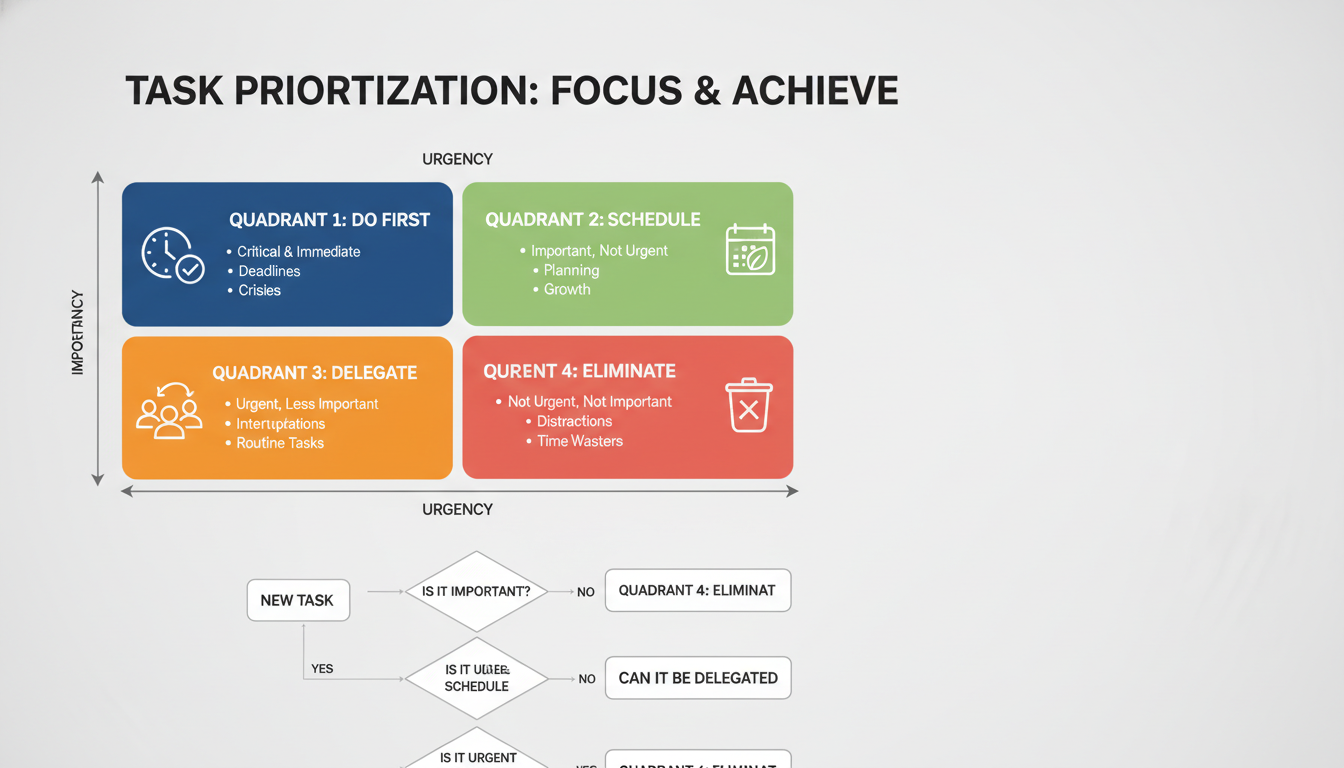
- Prioritize: Use a simple system to identify your most important tasks. The Eisenhower Matrix (Urgent/Important) or a simple A/B/C prioritization can be helpful. Focus on 3-5 key priorities for the week.
- Schedule Strategically: Block out time for your top priorities first. Then, slot in other tasks and appointments. Remember to include buffer time between meetings and tasks.
- Identify Potential Roadblocks: Think about what might derail your plans and proactively consider solutions.
This structured approach ensures you start your week with a clear understanding of your objectives and a realistic plan to achieve them, significantly reducing reactive stress.
The Art of Saying No (Gracefully): Setting Healthy Boundaries
One of the biggest contributors to an overwhelmed week is the inability to say no. Whether it’s to extra work, social engagements, or requests from friends and family, constantly agreeing to things that don’t align with your priorities or capacity will inevitably lead to burnout. Learning to decline gracefully is a vital skill for maintaining your calm.
Practical Ways to Decline
Saying no doesn’t mean being rude or unhelpful. It means being honest about your capacity and protecting your time. Here are some phrases and approaches:
- "Thank you for thinking of me, but I’m unable to take on anything new right now."
- "I appreciate the offer, but my schedule is quite full this week. I’ll have to pass."
- "That sounds interesting, but I need to prioritize X at the moment."
- "I can’t commit to that, but perhaps I can help in a smaller way, like Y." (Offer an alternative if you genuinely want to help, but on your terms).
- "Let me check my calendar and get back to you." (This buys you time to consider and formulate a polite decline).
Remember, saying no to one thing is often saying yes to something else – your well-being, your priorities, or your peace of mind. It’s not selfish; it’s self-preservation.
Digital Detox for Mental Clarity: Reclaiming Your Attention
Our digital devices, while incredibly useful, are also constant sources of distraction and potential anxiety. Notifications, endless feeds, and the pressure to be constantly ‘on’ can fragment our attention and elevate stress levels. Implementing regular digital detox periods is crucial for mental clarity and a calmer week.
Strategies for Mindful Device Use
You don’t need to go off-grid entirely, but you can create healthier boundaries with your technology:
- Designate ‘No-Phone’ Zones: Keep your bedroom and dining table free of devices. These spaces should be for rest and connection.
- Schedule ‘Notification-Free’ Blocks: Turn off all non-essential notifications during focused work periods or personal time.
- Implement ‘Digital Sunset’: Stop using screens at least an hour before bed. The blue light interferes with melatonin production and sleep quality.
- Curate Your Feeds: Unfollow accounts that don’t inspire or inform you positively. Mute group chats that are overly chatty or draining.
- One-In, One-Out Rule: For every new app you download, consider deleting one you rarely use.

By consciously reducing your digital input, you create space for your mind to wander, process, and truly rest, leading to greater clarity and reduced mental fatigue.
Incorporating Micro-Breaks: Recharge Throughout Your Day
The idea that we must power through tasks without interruption is a myth that leads to exhaustion and decreased productivity. Our brains are not designed for sustained, intense focus for hours on end. Incorporating regular, short micro-breaks throughout your day is a simple yet powerful way to maintain energy, reduce stress, and improve focus.
Effective Micro-Break Ideas
Micro-breaks are not about scrolling social media; they’re about truly disengaging from your current task to allow your mind and body to reset. Aim for 5-10 minutes every 60-90 minutes of focused work.
- Stand Up and Stretch: Counteract the effects of prolonged sitting.
- Walk Away from Your Desk: Get a glass of water, look out a window, or step outside for some fresh air.
- Practice Deep Breathing: A few slow, deep breaths can calm your nervous system.
- Listen to One Song: Choose something uplifting or calming that you enjoy.
- Mindful Snack: Enjoy a piece of fruit or a handful of nuts, paying attention to the taste and texture.
- Brief Meditation: Use a guided meditation app for 5 minutes.
These small pauses prevent mental fatigue from building up, allowing you to return to your tasks with renewed focus and a calmer perspective.
Fueling Your Body and Mind: Nutrition and Hydration
It’s easy to overlook the fundamental role that proper nutrition and hydration play in our overall well-being and ability to manage stress. When our bodies are running on empty or fueled by processed foods, our energy levels fluctuate wildly, our mood can dip, and our capacity to handle challenges diminishes. A calmer week starts with a well-nourished body.
Simple Steps for Better Fueling
You don’t need to overhaul your entire diet overnight. Small, consistent changes can make a significant impact:
- Prioritize Hydration: Keep a water bottle handy and sip throughout the day. Aim for at least 8 glasses of water. Dehydration can manifest as fatigue and irritability.
- Balanced Meals: Focus on incorporating lean proteins, whole grains, and plenty of fruits and vegetables into each meal. These provide sustained energy and essential nutrients.
- Smart Snacking: Opt for healthy snacks like nuts, seeds, fruit, or yogurt instead of sugary or highly processed options that lead to energy crashes.
- Meal Prep: Dedicate some time on the weekend to prepare healthy meals or components for the week ahead. This reduces decision fatigue and the temptation for unhealthy takeout when you’re busy.

By consciously fueling your body with nutritious foods and staying well-hydrated, you provide a stable foundation for your energy, mood, and cognitive function, making it easier to navigate a busy week with a sense of calm.
Wind-Down Rituals for Better Sleep: Preparing for Rest
A calm week is inextricably linked to quality sleep. When sleep-deprived, our ability to manage stress, focus, and maintain a positive outlook plummets. Just as a morning routine sets the tone for your day, a consistent wind-down ritual prepares your body and mind for restorative sleep.
Crafting Your Evening Sanctuary
The goal is to signal to your body that it’s time to transition from activity to rest. This means disengaging from stimulating activities and creating a peaceful environment.
- Digital Sunset: As mentioned earlier, put away screens at least an hour before bed.
- Warm Bath or Shower: The drop in body temperature after a warm soak can induce sleepiness.
- Read a Physical Book: Engage your mind with a story or non-stimulating content, away from bright screens.
- Gentle Stretching or Yoga: Release physical tension without invigorating your body.
- Journaling: Jot down any lingering thoughts, worries, or to-do items for the next day. This ‘brain dump’ can prevent racing thoughts once you’re in bed.
- Dim the Lights: Lowering the lights in your home an hour or two before bed helps signal to your body that it’s time to produce melatonin.
Consistency is key. Stick to your wind-down routine as much as possible, even on weekends, to regulate your body’s natural sleep-wake cycle.
Reflect and Adjust: The Cycle of Continuous Improvement
Achieving a calmer week isn’t a one-time fix; it’s an ongoing process of learning and adaptation. At the end of each week, take a few moments to reflect on what worked, what didn’t, and what adjustments you might make for the following week. This practice of self-awareness and iterative improvement is crucial for long-term success.
Questions for Weekly Reflection
- What moments of calm did I experience this week? What contributed to them?
- What were my biggest stressors? Could any of them have been avoided or managed differently?
- Did my morning routine serve me well?
- Was my planning effective, or did I over/under-schedule?
- Did I set appropriate boundaries?
- How was my energy level throughout the week? What might have influenced it?
- What’s one small change I can implement next week to enhance my calm?
This reflection isn’t about judgment, but about gathering data. It empowers you to refine your strategies, making each subsequent week incrementally calmer and more aligned with your desired state of well-being.
Conclusion: Your Journey to a Calmer Existence
Embracing a calmer week is a journey, not a destination. It involves a series of intentional choices and the consistent application of practical habits. From mastering your mornings and strategic planning to setting boundaries, disconnecting digitally, taking micro-breaks, fueling your body, and prioritizing sleep, each tip contributes to a more peaceful and productive existence.
Remember, progress, not perfection, is the goal. Start with one or two tips that resonate most with you and gradually integrate others. Observe the subtle shifts in your energy, focus, and overall well-being. By taking these actionable steps, you’re not just surviving your week; you’re actively shaping it into a more serene and fulfilling experience. Here’s to your calmer, more intentional week ahead!