

5 Lifestyle Tips That Make Daily Life Smoother is easiest to understand when you look at it through a practical lens.
This article is written for readers who want clear steps, better workflows, and less friction, and it aims to keep the discussion grounded in real-world use rather than vague promotion. The point is to help readers decide whether the topic is worth their attention, what details actually matter, and how to make a better choice with less noise.
In other words, 5 lifestyle tips that make daily life smoother should be evaluated as guiding content that answers a simple question: does this make life easier, faster, clearer, or more useful in a way readers can feel quickly?
Quick overview
The strongest posts in this category do not over-explain. They move from context to usefulness, show what the topic is good for, and make it easy to compare with other approaches. That is the structure used here, so readers can scan the article or read it deeply without losing the thread.
For 5 lifestyle tips that make daily life smoother, the most useful lens is to separate first impression from long-term value. Something can look promising at a glance and still fail in daily use. The reverse is also true: a quiet, simple option can become extremely valuable once the friction is removed.
Core considerations
When you evaluate this topic, ask how much setup it needs, how quickly the first benefit appears, and whether the experience still feels helpful after a few uses. Those questions are especially important for readers who want something that works without extra explanation.
That is why articles like this should always show the path from curiosity to action. Readers want to know what to pay attention to, how to avoid false signals, and what a realistic first week looks like after trying something new.
- What problem it solves in practice
- How easy it is to start using
- Whether the value holds up over time
- What tradeoffs come with the benefits
What strong execution looks like
Strong execution usually feels calm, not crowded. The interface, the steps, or the advice should make the next move obvious. That clarity matters because it reduces hesitation and helps readers trust what they are seeing. The less the user has to interpret, the faster the value becomes visible.
For 5 lifestyle tips that make daily life smoother, this means the best examples are not the loudest examples. They are the ones that make the decision easier by being consistent, readable, and honest about what they can and cannot do.
5 Lifestyle Tips That Make Daily Life Smoother decision checklist
- Define the exact problem before comparing options.
- Look for simple proof that the value appears early.
- Check whether the setup fits your current workflow.
- Estimate whether the benefit will still matter next week.
- Prefer clear outcomes over impressive-sounding claims.
Why the details matter
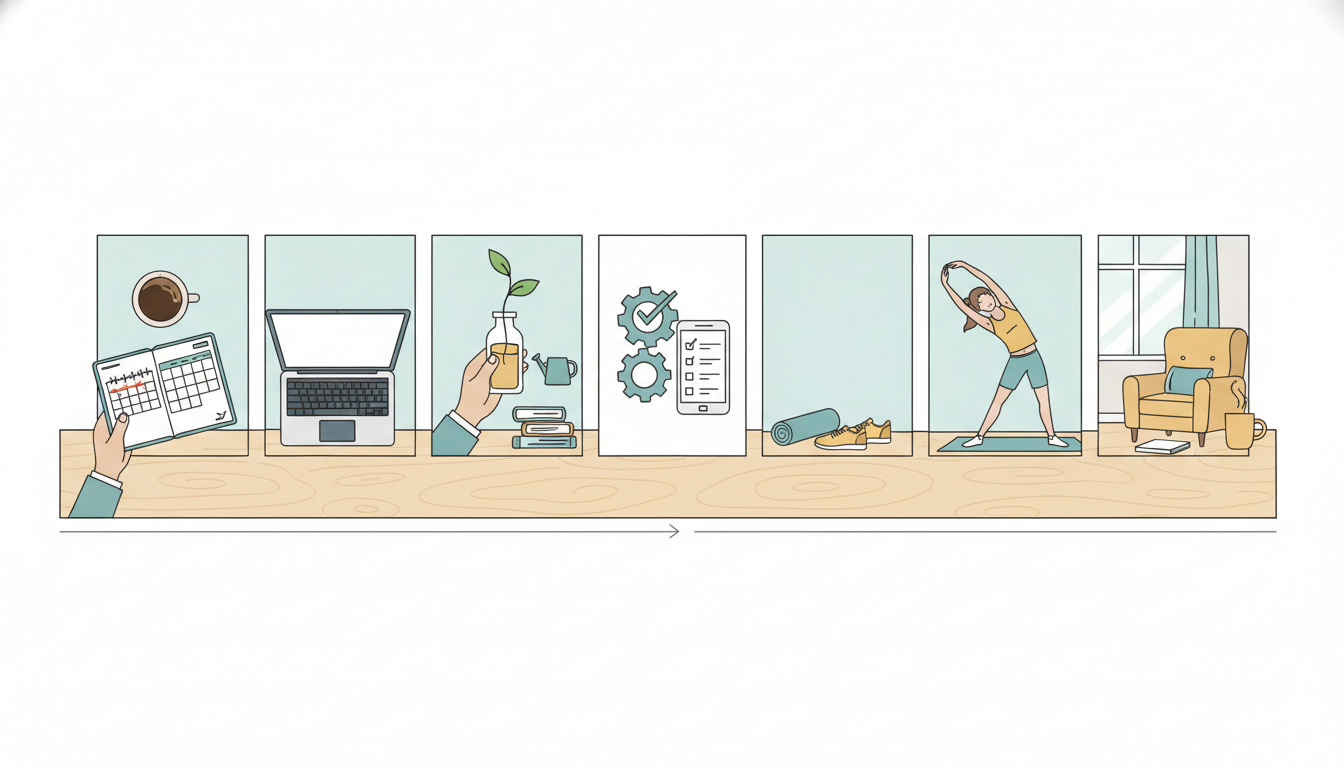
The details matter because small points often determine whether a tool, product, or method feels genuinely useful. The difference between something that looks good and something that becomes a habit usually comes down to consistency, speed, and how little effort it takes to keep going.
That is why readers benefit from examples, comparisons, and practical framing. When the article explains the decision clearly, it helps the audience save time and avoid the usual trial-and-error cycle that comes with anything new.
Related scenarios
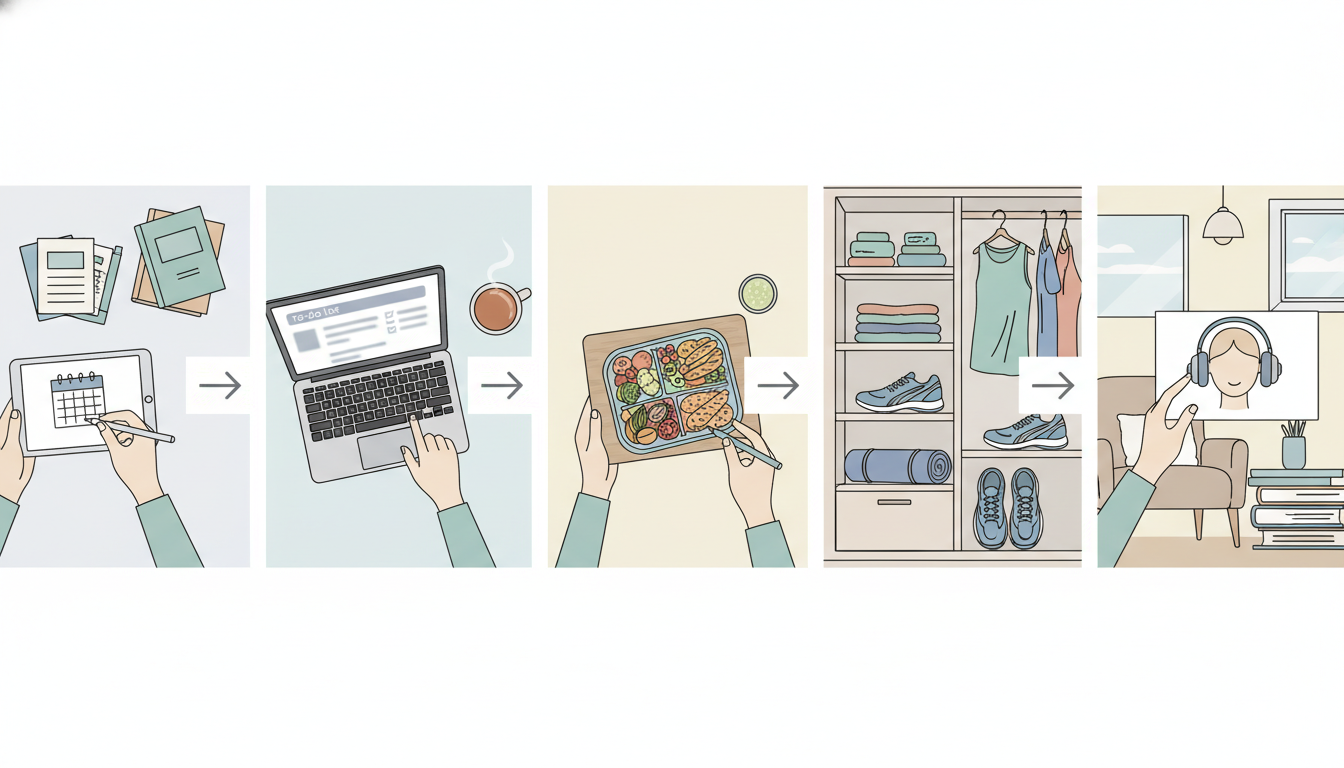
It is often useful to imagine how 5 lifestyle tips that make daily life smoother behaves in different situations. A creator may need something lightweight and fast. A small team may need something reliable and repeatable. A solo reader may just want a solution that removes one annoying step from the day.
These scenario-based comparisons make the post more useful because they translate a broad topic into specific use cases. The more concrete the scenario, the easier it is for a reader to decide whether the topic belongs in their own routine.
Keep the evaluation honest
An honest evaluation does not force enthusiasm. It shows the upside, the limits, and the type of person who will benefit most. That balance is what makes a blog post useful over time, because readers can trust it as a reference rather than a sales pitch.
Final take
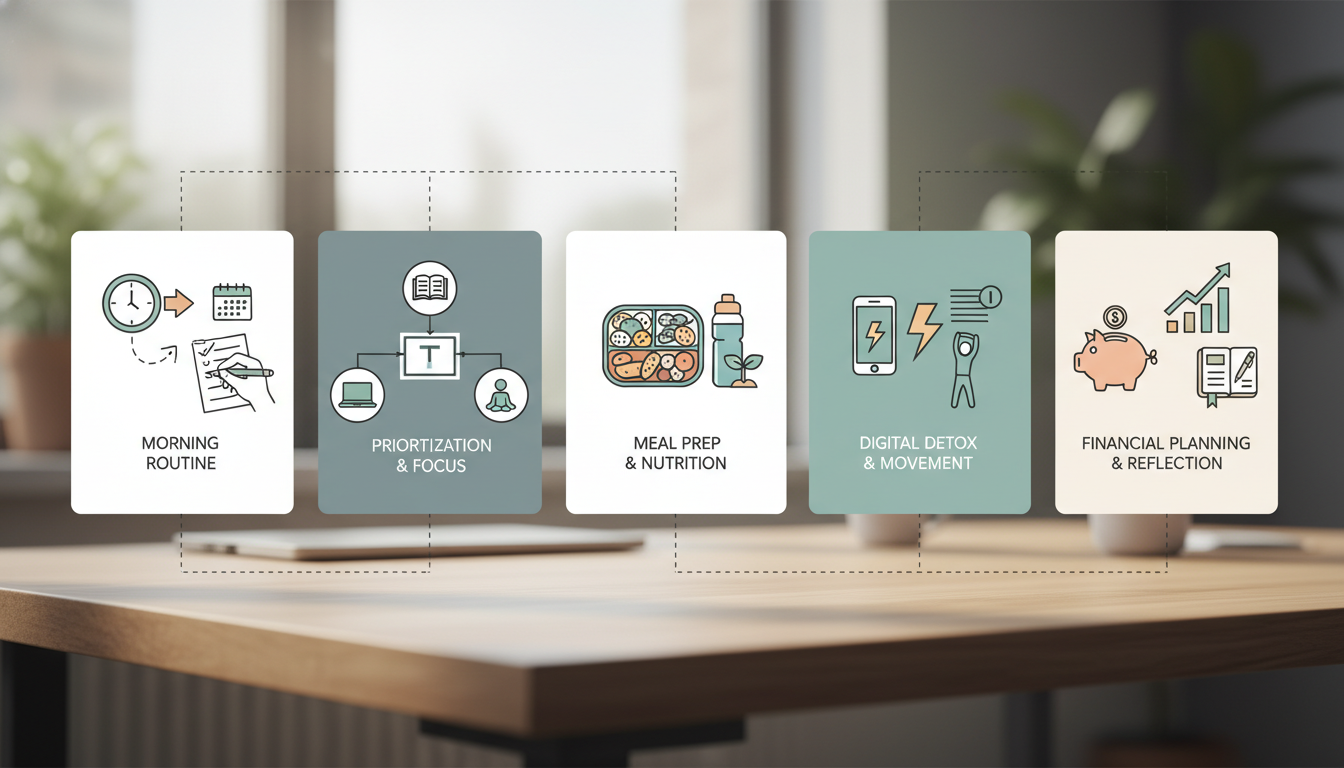
The real goal of a post like this is not to celebrate every detail. It is to help readers understand whether the topic is worth their attention and how to think about it in a practical way. That is what makes blog content feel helpful instead of generic.
If you treat 5 lifestyle tips that make daily life smoother as a decision instead of a headline, the article becomes much stronger. It gives people a framework they can reuse, a clearer sense of what matters, and a better way to make their next choice with confidence.
Extra context for readers
5 Lifestyle Tips That Make Daily Life Smoother can also be thought of as a practical test of how much clarity a reader gets from the first interaction. That first impression matters, but the lasting value matters more.
When something is truly useful, it reduces the number of decisions a person has to make. That principle applies whether the article is about a product, a workflow, a website, or a general guide.
That is why this category works best when it stays focused, specific, and useful. It should give readers enough structure to act, but enough nuance to avoid oversimplifying the topic.