

In an age where new products explode onto our screens daily, promising to revolutionize our lives, solve our deepest frustrations, or simply make us feel more connected, it’s easy to get swept up in the current of virality. From TikTok sensations to Instagram must-haves, these products often arrive with a tidal wave of endorsements, dazzling demonstrations, and an almost irresistible allure. But how do you separate the genuinely useful innovations from the fleeting fads? How do you ensure your hard-earned money isn’t spent on another item destined for the back of a closet or the bottom of a drawer? This guide is designed to equip you with a practical framework for evaluating viral products, helping you make informed decisions that serve your needs, not just the latest trend.
The Irresistible Pull of Viral Products
Before we dive into the evaluation process, it’s worth understanding why viral products captivate us so powerfully. The phenomenon isn’t new, but social media has amplified its reach and speed exponentially. A product can go from obscurity to global sensation overnight, driven by a potent mix of factors:
- Social Proof: When everyone seems to be talking about, using, or endorsing a product, it triggers a powerful psychological response. We inherently trust the collective wisdom of the crowd, assuming that if so many people are excited about something, there must be a good reason.
- Novelty and Innovation: Many viral products promise something new, a fresh take on an old problem, or a solution we didn’t even know we needed. This sense of discovery and the potential for an easier, better life is incredibly appealing.
- Problem-Solving Narratives: Often, viral content frames a product as the ultimate solution to a common pain point. Whether it’s a gadget that simplifies a tedious chore or a beauty item that promises instant results, these narratives tap into our desire for efficiency and improvement.
- FOMO (Fear Of Missing Out): The rapid spread of viral trends can create a sense of urgency. We worry that if we don’t jump on board now, we’ll be left behind, missing out on a valuable experience or a conversation everyone else is having.
Understanding these underlying drivers is the first step toward developing a more critical perspective. It allows us to acknowledge the emotional pull while engaging our rational mind.
Beyond the Hype: Cultivating Initial Skepticism
The most crucial step in evaluating any viral product is to pause. Resist the immediate urge to click ‘add to cart.’ Instead, adopt a stance of healthy skepticism. This doesn’t mean being cynical or dismissive of everything new; it means approaching claims with a questioning mind. Think of yourself as a detective, gathering evidence before reaching a verdict.
When you first encounter a viral product, whether through a captivating video or a friend’s enthusiastic recommendation, take a mental step back. Ask yourself: What exactly is being promised here? Does it sound too good to be true? Is the presentation designed to evoke an emotional response rather than provide factual information?
This initial pause allows you to detach from the immediate emotional impact of the marketing and begin to think more analytically. It’s about creating a buffer between exposure and action, giving your critical faculties a chance to engage.
Understanding the Problem It Solves (or Creates)
Every truly valuable product solves a problem or fulfills a genuine need. Viral products, however, sometimes create a perceived problem just to offer a solution. Before you consider buying, clearly define the problem the product claims to address. Is it a problem you genuinely experience? Is it a significant enough issue to warrant a new purchase?
Consider these questions:
- Is this a real problem in my life? Don’t let marketing convince you that a minor inconvenience is a major crisis.
- How do I currently address this problem? Is your existing method truly inadequate, or is the viral product simply offering a slightly different, not necessarily better, approach?
- Does this product offer a unique solution? Or are there established, perhaps less flashy, alternatives that are equally or more effective?
- Could this product introduce new problems? Sometimes, a ‘solution’ can create unforeseen complications, like requiring specific accessories, being difficult to clean, or having a steep learning curve.
For example, a viral kitchen gadget might promise to perfectly slice an avocado. While an avocado slicer might be convenient for some, for many, a simple knife works just as well and doesn’t require extra storage space or cleaning. The ‘problem’ of slicing an avocado isn’t a universal crisis that demands a specialized tool for everyone.

Scrutinizing the Source and Claims
Once you’ve identified the problem (or lack thereof), it’s time to look closely at the product itself and the claims being made. This involves a deeper dive into the information available, beyond the initial viral content.
Who is promoting this product?
Consider the source of the viral content. Is it an influencer? A brand’s official channel? A user-generated video? While influencer marketing can be a legitimate way to discover products, it’s important to remember that influencers are often compensated, directly or indirectly, for their promotion. This doesn’t automatically invalidate their opinion, but it does mean their perspective might be inherently positive.
Are the claims realistic?
Pay close attention to the specific promises. Does the product claim to deliver results that seem almost miraculous? Be wary of hyperbolic language, vague benefits, or claims that lack any supporting evidence. For instance, a skincare product promising to erase all wrinkles overnight is likely overstating its capabilities. A cleaning product claiming to effortlessly remove every stain without any scrubbing might also be stretching the truth.
Look for concrete, measurable benefits rather than abstract ones. If a product claims to save you time, how much time? If it claims to improve efficiency, in what specific ways? If these details are missing, it’s a red flag.
The ‘Real World’ Test: Looking for Unbiased Feedback
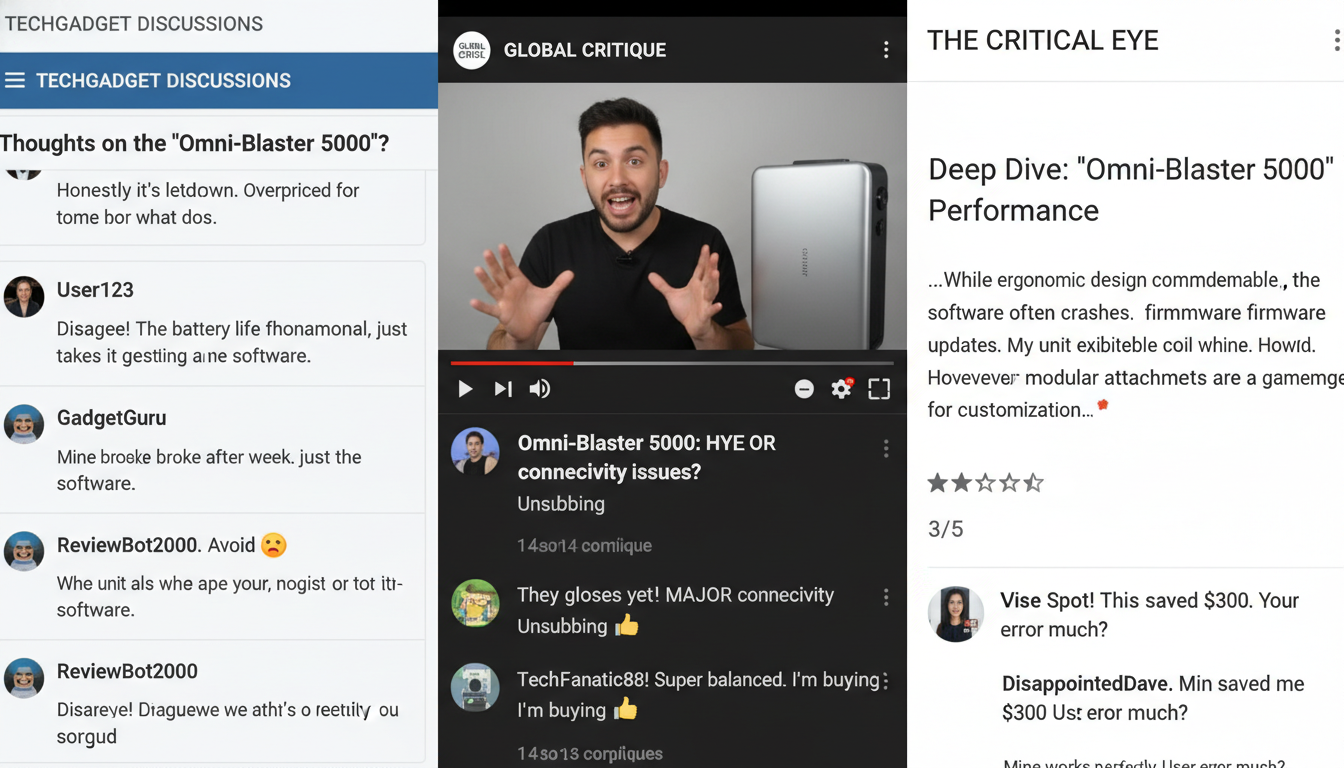
The curated, often idealized world of viral content rarely reflects the full user experience. To get a more accurate picture, you need to seek out unbiased feedback from people who have actually used the product in everyday situations. This is where your detective skills truly come into play.
Here are some places to look for genuine insights:
- Independent Review Sites: Look beyond the product’s own website. Search for reviews on major retail platforms (without focusing on star ratings, but rather the content of the reviews), tech review sites, or consumer advocacy platforms.
- Forums and Communities: Niche forums, Reddit communities, and Facebook groups dedicated to specific interests (e.g., home organization, beauty, tech gadgets) can be goldmines for honest, unfiltered opinions. Search for discussions about the product.
- Long-Term User Videos: While initial viral videos are often short and flashy, search for longer-form reviews or ‘update’ videos from users who have had the product for weeks or months. These often reveal durability issues, maintenance challenges, or whether the novelty wore off.
- Negative Reviews: Don’t shy away from negative feedback. These reviews often highlight common flaws, limitations, or situations where the product underperforms. A product with absolutely no negative reviews might be suspicious. Look for patterns in negative feedback – if multiple users report the same issue, it’s likely a legitimate concern.
When sifting through feedback, pay attention to consistency. Do multiple users report similar pros and cons? Are there common complaints about durability, ease of use, or effectiveness? This consistency helps you gauge the product’s true performance.
Considering the Long-Term Value and Sustainability
Many viral products are designed for immediate gratification, but true value often lies in longevity and sustained utility. Before committing to a purchase, think about the product’s long-term implications.
Durability and Build Quality
Is the product built to last, or does it feel flimsy and disposable? Viral trends often prioritize aesthetics and immediate impact over robust construction. Look for mentions of materials, warranty information, and user experiences regarding breakage or wear and tear.
Maintenance and Upkeep
Does the product require special cleaning, specific accessories, or frequent replacements? A product might seem convenient initially, but if its upkeep is demanding or costly, its long-term appeal diminishes. For example, a viral cleaning tool might require proprietary cleaning solutions that are expensive or hard to find.
Environmental Impact
In an increasingly conscious world, consider the environmental footprint of your potential purchase. Is it made from sustainable materials? Is it designed to be repaired, or is it destined for a landfill after a short lifespan? While not always the primary concern, it’s a valuable aspect of responsible consumption.
Will it remain relevant?
Some viral products are inherently trendy and may lose their appeal quickly. Others offer timeless utility. Consider whether the product’s function is tied to a fleeting aesthetic or a fundamental need that will persist over time. A product that solves a genuine, recurring problem is more likely to offer lasting value than one that’s simply a novelty.
The Cost-Benefit Analysis: Is the Price Justified?
Finally, bring it all back to the price tag. After thoroughly evaluating the product’s claims, real-world performance, and long-term potential, ask yourself if the cost is truly justified. This isn’t just about the monetary price, but the overall investment of your resources.
Here’s a checklist of questions to guide your cost-benefit analysis:
- What is the actual price of the product? Include shipping, taxes, and any necessary accessories that aren’t included.
- What is its perceived value to me? Based on your research, how much do you genuinely believe this product will improve your life or solve your problem?
- How does this compare to alternatives? Are there cheaper, equally effective, or even superior alternatives already on the market?
- What is the cost per use? If it’s a product you’ll use frequently, a higher upfront cost might be justified. If it’s a one-off or occasional use item, a lower price point might be more appropriate.
- Does it save me money elsewhere? For example, a product that helps you make coffee at home might save you money on daily cafe visits.
- What is the opportunity cost? If you buy this, what else could you have spent that money on? Is this the best use of your funds right now?
- Is there a return policy? Understanding the return process can provide a safety net, but don’t rely on it as your primary evaluation method.
Remember, a high price doesn’t always equate to high quality, and a low price doesn’t always mean a good deal if the product is ineffective or breaks quickly. The goal is to find the sweet spot where the perceived value and actual utility align with a reasonable cost.

Practical Steps Before You Click ‘Buy’
To summarize, here are actionable steps you can take before making a purchase decision on a viral product:
- Wait 24-48 Hours: Don’t buy on impulse. Give yourself time for the initial excitement to subside and for rational thought to kick in.
- Define the Problem: Clearly articulate the specific problem this product claims to solve for you. If you can’t, it’s likely not a necessary purchase.
- Research Beyond the Hype: Actively seek out independent reviews, long-term user experiences, and discussions in relevant online communities.
- Compare Alternatives: Look for similar products, both viral and established, and compare their features, prices, and user feedback.
- Consider Durability and Maintenance: Think about how long the product will last and what effort or cost will be involved in its upkeep.
- Perform a Cost-Benefit Analysis: Weigh the total cost against the genuine value and utility it will bring to your life.
- Check Return Policies: Understand the terms, just in case the product doesn’t meet your expectations despite your thorough research.
Conclusion: Empowering Your Purchase Decisions
Navigating the landscape of viral products can feel overwhelming, but it doesn’t have to lead to buyer’s remorse. By adopting a curious yet critical mindset, focusing on genuine utility over fleeting trends, and diligently seeking out unbiased information, you empower yourself to make smarter, more satisfying purchase decisions. The goal isn’t to avoid all viral products, but to identify those that truly offer value and integrate seamlessly into your life, rather than becoming another forgotten item in the cycle of consumerism. Approach each potential purchase with thoughtful consideration, and you’ll find yourself investing in products that genuinely enhance your everyday experience.