In an age where digital platforms constantly vie for our attention with ever-expanding features, notifications, and complex interfaces, there’s a curious phenomenon: some of the most enduring and beloved websites are remarkably simple. These aren’t the sprawling social networks or the feature-rich productivity suites; they are often single-purpose tools, elegantly designed, that seamlessly integrate into our daily routines. They become digital habits, almost without us realizing it, offering a quiet efficiency that larger, more ambitious platforms often fail to deliver. But what is it about these unassuming corners of the internet that makes them so sticky, so indispensable?
This exploration delves into the core principles that elevate a simple website from a fleeting bookmark to a daily ritual. We’ll uncover the psychology behind their appeal, examine their design philosophies, and provide practical insights into how you can identify and integrate more of these valuable, low-friction tools into your own digital life. It’s a journey into the power of less, demonstrating how focused utility can often trump overwhelming complexity.
The Unassuming Power of Simplicity in a Complex World
Our digital landscape is a bustling metropolis, filled with towering applications and sprawling platforms, each promising to solve every conceivable problem. Yet, amidst this digital cacophony, a quiet revolution is underway, championed by websites that embrace simplicity. These are the digital equivalents of a well-designed hand tool: they do one thing, and they do it exceptionally well, without unnecessary frills or distractions. Think of a website that simply provides the current time in various zones, or one that converts units with lightning speed, or perhaps a plain text editor that just lets you write.
The allure of these simple sites lies in their ability to cut through the noise. Modern applications, while powerful, often come with a significant cognitive load. We spend time learning new interfaces, navigating menus, and sifting through features we may never use. This ‘feature bloat’ can lead to decision fatigue and a sense of overwhelm. Simple websites, by contrast, offer a clear path to a specific outcome. They present a single, unambiguous purpose, allowing us to achieve our goal quickly and efficiently, freeing up mental energy for more complex tasks.
This isn’t merely about aesthetics; it’s about fundamental usability and psychological relief. When a website loads instantly, presents exactly what you need, and requires no sign-up or tutorial, it reduces friction to an absolute minimum. This low barrier to entry is a critical factor in transforming a useful tool into a daily habit. It respects your time and attention, offering immediate value without demanding a significant investment in return. In a world clamoring for our attention, the sites that ask for the least often give us the most valuable commodity back: our focus.
Solving a Specific Problem with Zero Friction
The hallmark of a truly habit-forming simple website is its laser focus on solving a single, well-defined problem. It doesn’t attempt to be a Swiss Army knife; instead, it aims to be the perfect screwdriver for a particular screw. This specificity is crucial because it aligns perfectly with our immediate needs. When you need to quickly check a definition, convert a currency, or generate a random password, you don’t want to open a multi-purpose app that requires several clicks or menu navigations. You want a direct, instantaneous solution.
Consider the difference between a comprehensive office suite and a dedicated online markdown editor. While the former offers a vast array of formatting, collaboration, and publishing tools, the latter provides a clean canvas for writing in plain text, often with a live preview. For drafting quick notes, blog posts, or even just jotting down ideas, the markdown editor wins on speed and focus. It removes the temptation to tweak fonts or wrestle with layout, allowing you to concentrate solely on the content.
This ‘zero friction’ approach extends beyond just the interface. It often means no accounts, no passwords, no intrusive ads, and no data collection beyond what’s absolutely necessary for the site’s function. The absence of these common digital hurdles makes the interaction feel effortless and trustworthy. It’s a pure exchange of value: you have a need, the website fulfills it, and the transaction is complete without any lingering digital baggage. This purity of purpose fosters a sense of reliability and ease that encourages repeated use.
- Clear Purpose: Each site addresses one specific need, making its utility immediately obvious.
- Instant Access: No sign-ups, no logins, no complex onboarding processes.
- Minimalist Design: Clean interfaces reduce cognitive load and distractions.
- Fast Performance: Quick loading times and responsive interactions are paramount.
- Reliability: The site consistently delivers on its promise without glitches or unexpected changes.
- Privacy-Conscious: Often operates without extensive data tracking or intrusive advertising.
The Psychology Behind Daily Digital Rituals
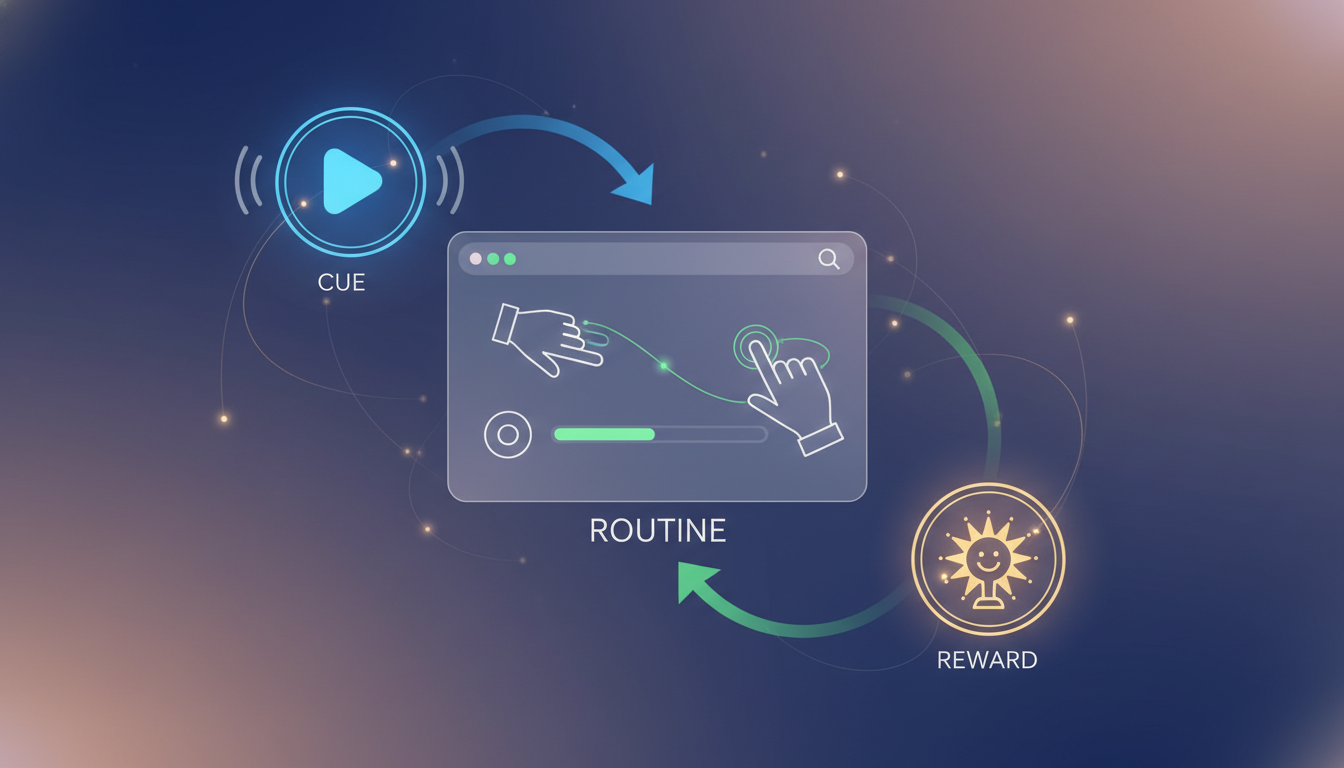
The transformation of a simple website into a daily habit isn’t accidental; it’s deeply rooted in the psychology of habit formation. Charles Duhigg, in his book ‘The Power of Habit,’ outlines the habit loop: Cue, Routine, Reward. Simple websites often fit this model perfectly, making them incredibly effective at embedding themselves into our daily lives.
The ‘Cue’ is often an external trigger or an internal need. For instance, you might be writing an email and need to quickly check a synonym (internal need), or you might open your browser and see a bookmark for a favorite simple tool (external trigger). The ‘Routine’ is the act of visiting the simple website and using its core function. This routine is typically quick, efficient, and requires minimal mental effort, reinforcing its appeal. The ‘Reward’ is the immediate satisfaction of having a problem solved, a task completed, or information quickly retrieved. This positive reinforcement strengthens the neural pathways associated with the habit, making it more likely to be repeated.
Furthermore, these sites often tap into the concept of ‘tiny habits’ popularized by B.J. Fogg. By making the desired behavior incredibly small and easy to perform, the likelihood of adherence skyrockets. A simple website that takes mere seconds to use requires almost no willpower, making it an effortless addition to your routine. Over time, these tiny, effortless interactions accumulate, building a robust habit that feels natural and indispensable. The lack of friction means there’s no mental hurdle to overcome, no procrastination, just a direct path from need to fulfillment.
The predictability and consistency of simple websites also play a significant role. In a digital world constantly in flux, a site that reliably performs its single function, day in and day out, offers a sense of stability. This reliability builds trust and reduces anxiety, making it a comforting presence in our digital toolkit. We know exactly what to expect, and it always delivers, reinforcing the positive feedback loop that underpins habit formation.
Case Studies in Habit-Forming Utility
To truly understand the power of simple websites, it’s helpful to look at specific examples that embody these principles. These aren’t necessarily the most famous sites, but rather those that, for many, have become quiet, essential fixtures in their daily digital landscape. They illustrate how a focused approach can create profound utility.
- Online Unit Converters (e.g., ConvertUnits.com, Online-Convert.com): These sites excel at one thing: transforming one unit of measurement or file type into another. Whether you need to convert kilograms to pounds, Celsius to Fahrenheit, or a PDF to a JPG, these tools offer an immediate, ad-hoc solution. Their appeal lies in their comprehensive databases and straightforward interfaces. You type in what you have, select what you want, and get an instant result. No downloads, no complex software, just pure utility when you need it most.
- Plain Text Editors (e.g., Write.as, a simple online notepad): For writers, developers, or anyone needing to quickly jot down thoughts without formatting distractions, a minimalist online text editor is invaluable. Sites like Write.as offer a clean, distraction-free writing environment, often with markdown support. They strip away the complexities of word processors, allowing you to focus solely on the words. The ability to quickly open a tab, write, and then copy-paste without worrying about hidden formatting or proprietary file types makes them a go-to for quick drafts and notes.
- Online Dictionaries and Thesauri (e.g., Merriam-Webster.com, Thesaurus.com): While many browsers offer built-in dictionary functions, dedicated online dictionaries and thesauri often provide richer context, example sentences, and etymologies. Their simplicity lies in their singular focus: providing linguistic information quickly. For students, writers, or anyone who values precise language, these sites become an instant reflex when encountering an unfamiliar word or searching for the perfect synonym. They are fast, authoritative, and always available.
- Simple Calculators (e.g., Online-Calculator.com): Beyond the basic calculator app on your phone or computer, dedicated online calculators often provide specialized functions (e.g., scientific, financial, percentage) in a clear, accessible format. They are perfect for quick calculations during browsing, without needing to switch applications. Their immediate availability and straightforward layout make them a reliable choice for numerical tasks, big or small.
- Color Pickers and Palette Generators (e.g., Coolors.co, HTML Color Codes): For designers, developers, or even just curious users, sites that allow you to pick colors from an image, generate harmonious palettes, or find specific HTML color codes are incredibly useful. They simplify a potentially complex design task into a few clicks, offering immediate visual feedback. These tools are often used in short bursts, making their low-friction nature particularly appealing for quick creative decisions.
- Pomodoro Timers (e.g., Tomato-Timer.com): For those practicing time management techniques like the Pomodoro Technique, a simple online timer is a godsend. These sites typically offer a clean interface with customizable work and break intervals, often with audible alerts. They remove the need for a physical timer or a complex app, providing a focused tool for structured work sessions. Their singular purpose helps reinforce the discipline of focused work.
The Aesthetic of Calm: Design That Disappears
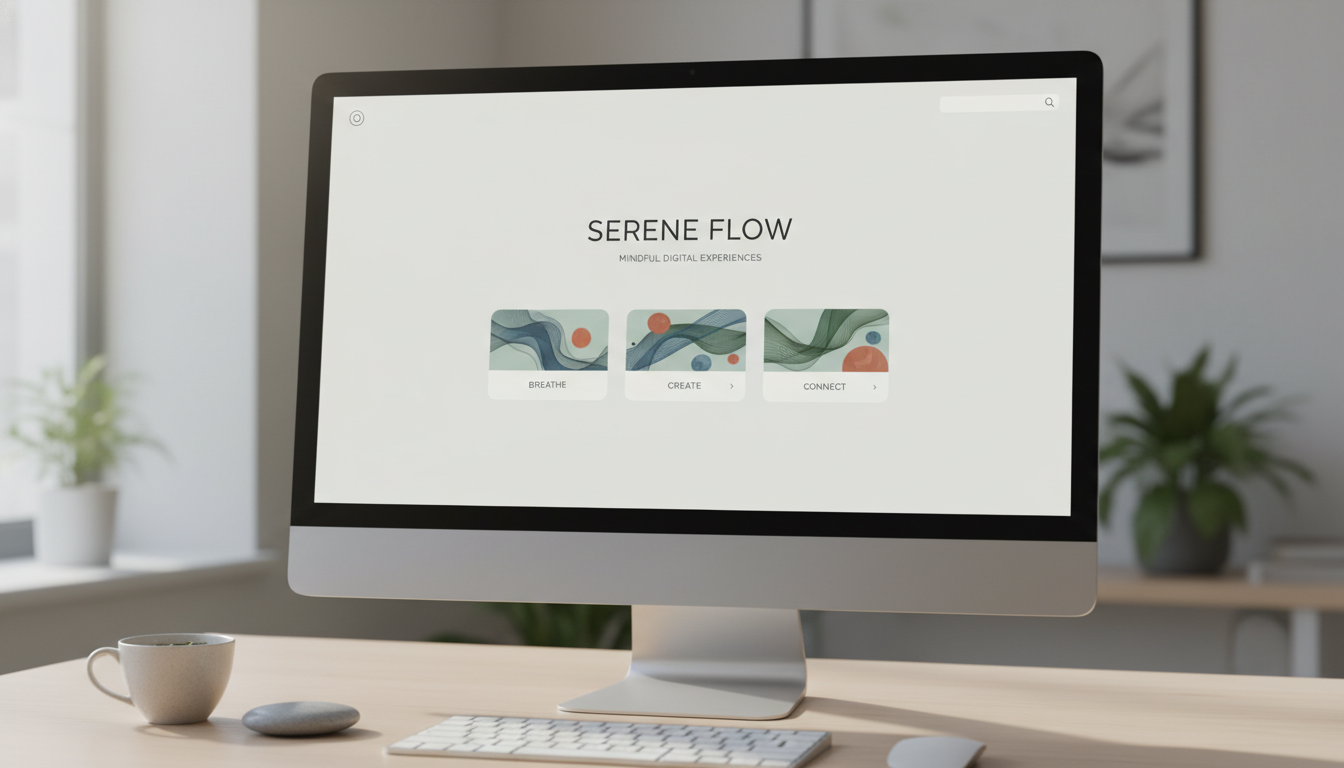
Beyond their functional utility, many habit-forming simple websites share a common aesthetic: a design that is so clean and unobtrusive, it almost disappears. This isn’t about being bland; it’s about intentional minimalism that prioritizes content and function over flashy visuals or complex animations. The goal is to reduce visual clutter, minimize cognitive load, and create an environment where the user can focus entirely on the task at hand.
Think of the classic Google search page: a logo, a search bar, and two buttons. That’s it. This iconic simplicity has been a cornerstone of its success, allowing users to get straight to their goal without distraction. Similarly, many of the simple websites we’ve discussed adopt this philosophy. They use ample white space, legible fonts, and a limited color palette. Navigation is intuitive, often consisting of just a few clearly labeled links or a single input field. There are no pop-ups, no autoplaying videos, and typically very few, if any, advertisements that disrupt the user experience.
This ‘design that disappears’ fosters a sense of calm and efficiency. When your eyes aren’t darting around trying to process extraneous information, your brain can dedicate its full capacity to the task. This leads to a more pleasant and less stressful interaction. Furthermore, a clean design often translates to faster loading times, which is another critical factor in reducing friction and encouraging repeated use. In a world where digital experiences can often feel overwhelming, these sites offer a refreshing oasis of clarity and focus, making them not just useful, but genuinely enjoyable to use.
Cultivating Your Own Digital Sanctuary
The beauty of these simple websites is that they empower you to curate a digital environment that truly serves your needs, rather than one that constantly demands your attention. Cultivating your own ‘digital sanctuary’ involves being intentional about the tools you use and actively seeking out those that enhance your focus and productivity without adding unnecessary complexity. It’s about moving from passive consumption to active curation.
Start by observing your own digital habits and identifying points of friction. Do you frequently find yourself opening a large application just for a small task? Do you get distracted by notifications or extraneous features when trying to accomplish something specific? These are cues that a simpler, more focused tool might be beneficial. The goal isn’t to eliminate all complex software, but to supplement it with nimble, purpose-built alternatives for common, repetitive tasks.
Think about the micro-tasks you perform throughout your day: quick calculations, looking up definitions, converting units, drafting short notes, or setting a timer. For each of these, there’s likely a simple website that can do the job faster and with less fuss than a multi-functional app. By replacing these small points of friction with streamlined solutions, you gradually build a more efficient and less stressful digital workflow. This proactive approach transforms your digital experience from a reactive one to a deliberate, empowering one.
Steps to Discover Your Next Digital Habit:
- Audit Your Digital Pain Points: Keep a mental note (or even a physical one) of moments when you feel frustrated or slowed down by your current digital tools. What small, repetitive tasks feel cumbersome?
- Search Specifically: Instead of broad searches, try specific queries like “online markdown editor,” “simple unit converter,” or “distraction-free writing tool.”
- Prioritize Speed and Simplicity: When evaluating options, favor sites that load quickly, have minimal interfaces, and don’t require sign-ups or extensive setup.
- Test Drive: Give a new simple site a try for a few days. See if it naturally integrates into your workflow. Does it solve the problem efficiently?
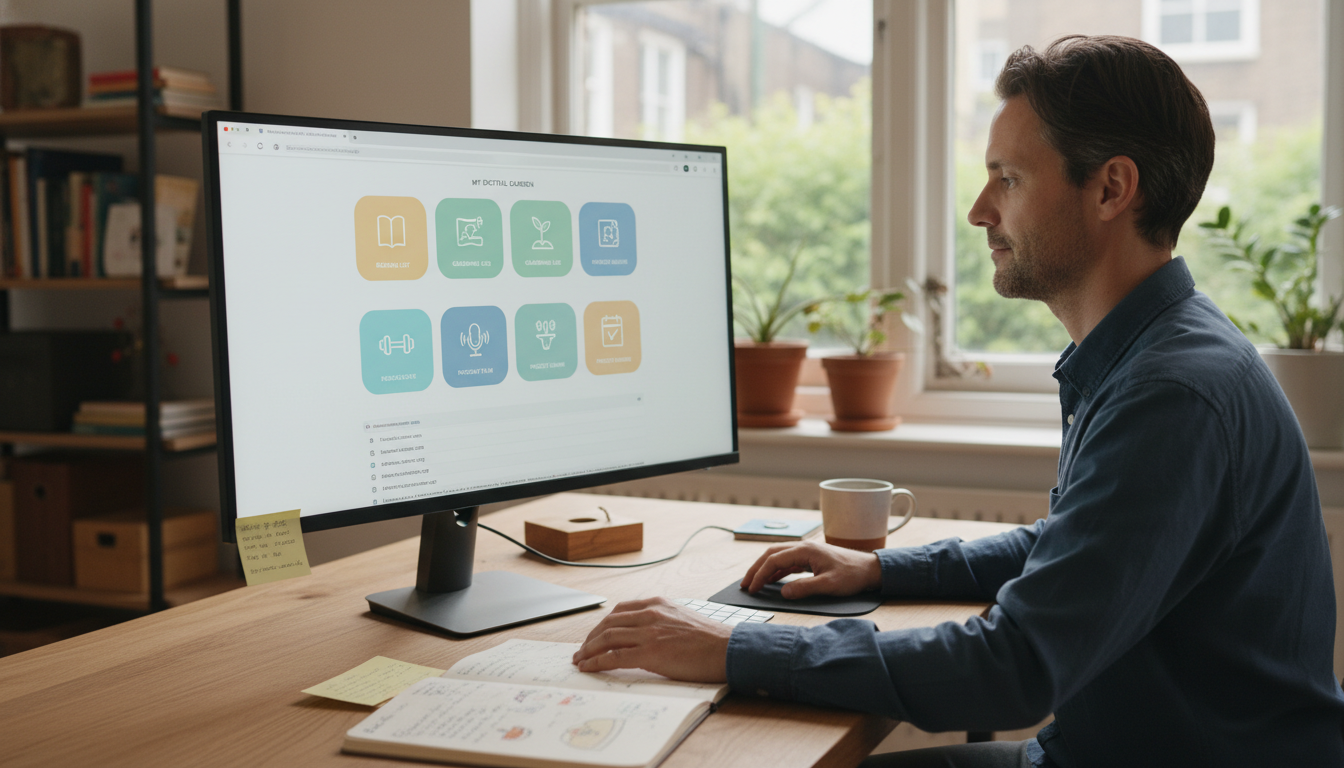
- Bookmark and Organize: Once you find a winner, bookmark it prominently. Consider creating a dedicated folder in your browser for your ‘Essential Simple Tools’ or ‘Daily Digital Habits.’
- Share and Discuss: Talk to friends or colleagues about their favorite simple tools. You might discover hidden gems you hadn’t considered.
- Be Mindful of Feature Creep: If a simple site starts adding too many features or becoming cluttered, be prepared to seek out a new, simpler alternative. The digital landscape is always evolving.
Beyond the Screen: Integrating Simple Digital Habits into Real Life
The impact of adopting simple websites as daily habits extends far beyond the confines of your computer screen. These digital tools, by streamlining your online interactions, can actually free up mental bandwidth and time that can be reinvested into your real-life activities. When you’re not wrestling with complex software or battling digital distractions, you have more energy and focus for your work, hobbies, relationships, and personal well-being.
Consider how a simple online timer can help you implement the Pomodoro Technique, leading to more focused work sessions and clearer boundaries between work and rest. Or how a quick unit converter prevents you from getting bogged down in calculations when following a recipe or planning a DIY project. These aren’t just digital conveniences; they are enablers of a more organized, less stressed, and ultimately more present real-life experience. They act as quiet assistants, handling the small, repetitive tasks so your mind can be free for deeper thought and engagement.
Building a curated ‘digital toolkit’ of simple, reliable websites is akin to organizing a physical workspace. Just as you’d want your essential hand tools to be easily accessible and perfectly suited for their jobs, your digital tools should be equally efficient. This intentional approach to your digital environment reduces decision fatigue and cognitive overhead, allowing you to transition smoothly between tasks and maintain a state of flow. It’s about creating a harmonious ecosystem where technology serves you, rather than the other way around.
Ultimately, the integration of simple digital habits into real life is about achieving a better balance. It’s about leveraging the power of the internet for specific, beneficial outcomes without succumbing to its potential for distraction and overwhelm. By choosing simplicity, you choose clarity, efficiency, and a greater capacity to engage with the world beyond your screen.
The Enduring Appeal of Less: A Path to Digital Well-being
In a world that constantly pushes for more – more features, more content, more connectivity – the enduring appeal of simple websites serves as a powerful counter-narrative. They remind us that true value often lies not in abundance, but in precision and clarity. These unassuming digital tools offer a pathway to greater efficiency, reduced cognitive load, and a more focused digital experience, ultimately contributing to a greater sense of digital well-being.
The websites that become our daily habits are not necessarily the ones with the biggest budgets or the most aggressive marketing. They are the ones that respect our time, understand our immediate needs, and deliver on their promise with unwavering reliability and minimal fuss. They are the quiet workhorses of the internet, always there when we need them, performing their singular function with elegant simplicity.
By consciously seeking out and integrating these low-friction, high-utility tools into our routines, we can reclaim a sense of control over our digital lives. We can transform our online interactions from a series of reactive responses to a deliberate, curated experience. This isn’t just about finding useful websites; it’s about adopting a philosophy of intentionality and minimalism in our digital consumption. It’s about recognizing that sometimes, the most powerful tools are the ones that simply get out of the way and let us do what we need to do, quickly and effectively. Embrace the power of less, and discover how a few simple websites can profoundly enhance your daily habits and overall digital peace.