


In the vast, ever-shifting landscape of social media, certain products don’t just get noticed; they explode. They become the subject of countless videos, endless discussions, and an undeniable buzz that transcends traditional advertising. From a quirky kitchen gadget to a revolutionary skincare item or a surprisingly addictive game, these products seem to possess a magic touch, transforming from obscure offerings into must-have sensations overnight. But what exactly is this magic? Is it pure luck, or are there underlying principles that explain why some products catch fire on social media while others, despite their merits, remain in the shadows?
This isn’t about chasing fleeting fads or dissecting the latest viral dance challenge. Instead, we’re going to explore the deeper, more enduring reasons behind product virality. We’ll look beyond the surface-level hype to uncover the core attributes and strategic approaches that enable products to genuinely resonate with online communities, sparking organic discovery and sustained interest. Whether you’re a curious consumer trying to understand the latest trends or a creator hoping to build something truly impactful, understanding these dynamics is key to navigating the modern marketplace.
The Enigma of Organic Virality: More Than Just Luck
It’s tempting to attribute a product’s sudden rise to fame on social media to sheer luck or an unpredictable algorithm. While serendipity can play a role, sustained virality is rarely accidental. It’s often the culmination of thoughtful design, deep consumer understanding, and an inherent shareability that makes a product irresistible to talk about. Think of the Stanley Quencher H2.0 FlowState Tumbler, which became a cultural phenomenon, or the Oura Ring, which seamlessly integrated health tracking into daily life. These weren’t just random hits; they tapped into specific human desires and social dynamics.
The products that truly catch fire often solve a problem, offer a unique experience, or provide a sense of identity or belonging. They don’t just exist; they become part of conversations, rituals, and even personal narratives. This organic spread is far more powerful than any paid campaign because it’s driven by authentic endorsement and genuine enthusiasm from real people. When a friend or trusted influencer shares something they genuinely love, it carries a weight that a traditional advertisement simply cannot match.
Solving a Real Problem (Often Unarticulated)
At the heart of many viral products is a simple truth: they address a genuine need, often one that consumers didn’t even realize they had until the product appeared. These aren’t always grand, world-changing problems; sometimes, they’re small, everyday frustrations that a clever solution can alleviate. The Squatty Potty, for instance, tackled a topic rarely discussed but widely experienced, offering a simple, effective solution that resonated with many.
Consider products that streamline a tedious task, enhance comfort, or simplify a complex process. When a product effectively removes a pain point, it creates an immediate, tangible benefit that users are eager to share. This isn’t just about utility; it’s about making life easier, more efficient, or more enjoyable in a noticeable way.
- Efficiency Boost: Products that save time or effort in daily routines (e.g., a multi-functional kitchen tool, a smart home device).
- Comfort Enhancement: Items that significantly improve physical or mental well-being (e.g., ergonomic office chairs, weighted blankets).
- Problem Simplification: Solutions that demystify complex tasks or make them accessible to a wider audience (e.g., intuitive photo editing apps, DIY kits).
- Unmet Need Fulfillment: Addressing a niche but significant desire that existing products overlook (e.g., specialized pet care items, adaptive clothing).
Novelty and Uniqueness: Standing Out in a Crowded Feed
In a world saturated with choices, novelty is a powerful magnet for attention. Products that offer something genuinely new, a fresh perspective, or an innovative twist on an existing concept naturally draw curious eyes. This doesn’t necessarily mean inventing something entirely from scratch; it can be about reimagining a familiar item in a way that makes it feel fresh and exciting.
Think about products that introduce a new material, a groundbreaking technology, or an unexpected design aesthetic. The key is to be different in a meaningful way – not just for the sake of being different, but because that uniqueness offers a superior experience or solves a problem in an unprecedented manner. When something truly stands out, it becomes a talking point, a curiosity that people feel compelled to share and discuss.
The ‘Wow’ Factor: Beyond Mere Functionality
The ‘wow’ factor is often tied to a product’s ability to surprise and delight. It’s that moment when you see something and immediately grasp its cleverness or potential. This could be a product’s aesthetic appeal, its unexpected functionality, or the sheer ingenuity of its design. This element of surprise makes a product inherently shareable, as people love to introduce their friends to something new and impressive.
Community and Connection: Fostering Shared Experiences
Social media, at its core, is about connection. Products that facilitate or enhance this connection often find fertile ground for virality. This can manifest in several ways: products that are designed for group activities, those that create a shared identity among users, or even those that spark conversations and debates.
Consider the rise of niche communities built around specific products or hobbies. When a product becomes a symbol or a tool within such a community, its spread is exponential. Users don’t just buy the product; they buy into the shared experience, the collective identity, and the sense of belonging it offers. This is why products that encourage user-generated content, challenges, or collaborative projects often thrive. They provide a platform for people to interact and express themselves, using the product as a common denominator.

Whether it’s a board game that brings friends together, an app that connects like-minded individuals, or a fashion item that signifies membership in a particular subculture, the social dimension is crucial. People are inherently social creatures, and products that tap into this fundamental need for connection often achieve a deeper, more resonant form of virality.
Visual Appeal and Shareability: Designed for the Feed
In a visually driven world, especially on platforms like Instagram, TikTok, and Pinterest, a product’s aesthetic appeal is paramount. Products that are inherently photogenic, visually interesting, or lend themselves well to video demonstrations have a distinct advantage. This isn’t just about looking good; it’s about being designed for the social media feed.
Think about packaging that’s too beautiful to throw away, products with vibrant colors, unique textures, or satisfying ASMR qualities. Products that create a visually compelling ‘before and after’ story, or those that are simply fun to interact with on camera, naturally generate more content. Users become unwitting marketers, showcasing the product in their own unique ways, often with far more authenticity than any brand could achieve.
The Unboxing Experience: A Micro-Moment of Virality
The unboxing experience has become a phenomenon in itself. Products with thoughtful, engaging packaging create a mini-event that’s perfect for social sharing. A well-designed unboxing isn’t just about presentation; it’s about building anticipation, creating a sense of luxury or excitement, and providing a memorable first interaction that encourages users to document and share their experience.
Accessibility and Ease of Use: Low Barrier to Entry
A brilliant product that’s difficult to acquire, understand, or use will struggle to gain traction. Products that catch fire on social media are often characterized by their accessibility and intuitive design. They have a low barrier to entry, meaning people can easily understand their purpose, acquire them, and integrate them into their lives without significant effort or learning curves.
This includes factors like clear pricing, straightforward purchasing processes, and user-friendly interfaces. If a product requires extensive instructions or a steep learning curve, it’s less likely to be adopted widely, let alone shared enthusiastically. Simplicity often trumps complexity when it comes to mass appeal. The easier a product is to grasp and enjoy, the more likely it is to spread organically.

Instant Gratification: Delivering Value Quickly
Many viral products offer a form of instant gratification. Whether it’s a quick fix, an immediate aesthetic improvement, or a rapid learning experience, the ability to deliver value almost immediately after purchase or adoption significantly boosts its appeal. People are less likely to abandon a product if they see its benefits quickly, and more likely to recommend it if they can demonstrate those benefits with ease.
The Story Behind the Product: Authenticity and Relatability
In an age of conscious consumerism, the story behind a product can be just as compelling as the product itself. Brands that share an authentic narrative – perhaps about their origin, their mission, their values, or the challenges they’ve overcome – create an emotional connection with their audience. People don’t just buy products; they buy into stories, especially those that resonate with their own values and aspirations.
This could be a founder’s personal journey, a commitment to sustainability, a dedication to ethical sourcing, or a brand’s efforts to support a particular cause. When a product has a compelling and relatable story, it adds layers of meaning that go beyond its functional utility. This narrative provides content for discussion, fosters loyalty, and makes the brand feel more human and trustworthy.
Authenticity is key here. Consumers are increasingly adept at spotting inauthentic marketing. A genuine story, told with transparency and passion, can turn a simple product into a movement, inspiring advocacy and deep engagement.
- Founder’s Journey: A compelling personal story of how the product came to be, often born from a personal need or passion.
- Mission-Driven Purpose: A clear commitment to a cause or a specific impact beyond profit (e.g., environmental sustainability, social equity).
- Craftsmanship & Origin: Emphasizing the unique materials, traditional methods, or specific geographical origin that adds value and character.
- Overcoming Adversity: The story of challenges faced and overcome during the product’s development or the brand’s establishment.
- Community Involvement: How the brand interacts with and supports its user base or broader community.
Actionable Takeaways: Spotting and Creating the Next Big Thing
For consumers, understanding these principles can help you discern genuine innovation from fleeting trends. For creators and businesses, these insights offer a roadmap for developing products that truly resonate in the digital age. It’s not about manufacturing virality, but about cultivating the conditions under which a product can naturally thrive and spread.
For Consumers: What to Look For
- Does it solve a real problem for you? Beyond the hype, does it genuinely make your life easier, better, or more enjoyable?
- Is it genuinely unique or innovative? Does it offer a fresh perspective or a superior experience compared to alternatives?
- Does it spark joy or conversation? Is there something about it that makes you want to share it with others?
- Is it easy to use and integrate into your life? Avoid products with steep learning curves or complicated processes.
- Does the brand’s story resonate with you? Do you feel a connection to its values or mission?
For Creators: What to Focus On
- Identify genuine pain points: Don’t just create a product; solve a problem, even a small one, that people care about.
- Prioritize uniqueness and delight: Strive for a ‘wow’ factor, whether through design, functionality, or user experience.
- Design for shareability: Consider how your product will look and feel on social media. Is it visually appealing? Does it lend itself to user-generated content?
- Simplify the user journey: Make your product easy to understand, acquire, and use. Reduce friction at every step.
- Cultivate community: Think about how your product can foster connection, shared experiences, or a sense of belonging.
- Craft an authentic narrative: Share your brand’s story, values, and mission in a transparent and relatable way.
Conclusion: The Blend of Art and Science
The phenomenon of products catching fire on social media is a fascinating blend of art and science. It’s the art of understanding human psychology, desire, and connection, combined with the science of design, problem-solving, and strategic communication. There’s no single magic formula, but rather a confluence of factors that, when aligned, can propel a product from obscurity to widespread recognition.
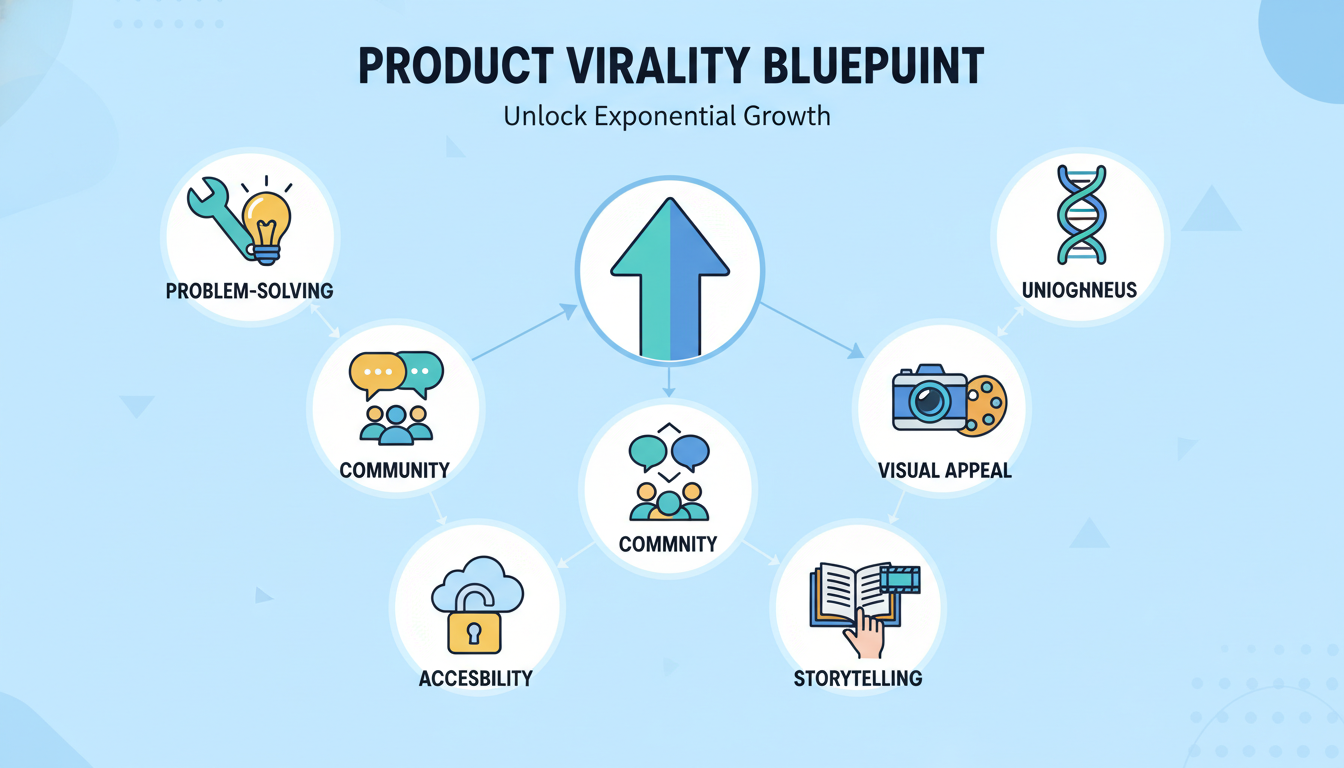
By focusing on genuine utility, compelling novelty, social resonance, visual appeal, ease of use, and an authentic story, creators can significantly increase their chances of developing products that not only succeed but truly thrive in the dynamic ecosystem of social media. For consumers, a critical eye informed by these principles can help you discover products that genuinely add value to your life, rather than just contributing to the noise.