
In an era brimming with new apps, services, and digital ecosystems emerging daily, the challenge isn’t finding a new platform; it’s finding a useful one. We’re constantly bombarded with announcements, viral trends, and promises of revolutionary change. Yet, many of these platforms fizzle out, fail to deliver on their hype, or simply don’t integrate meaningfully into our lives. For the curious reader seeking practical advice, the question becomes: how do we develop a discerning eye to spot the platforms that truly matter, the ones that will stand the test of time and genuinely enhance our capabilities?
This guide isn’t about predicting the next unicorn startup or chasing fleeting fads. Instead, it’s about cultivating a methodical approach to evaluation, equipping you with the principles and practical steps to identify tools that offer genuine utility, foster meaningful connections, or solve real problems. We’ll explore the subtle signals that differentiate a fleeting trend from a foundational shift, helping you become an early adopter of substance, not just spectacle.
The Digital Deluge: Why Spotting Utility is Harder Than Ever
The sheer volume of new digital offerings is staggering. Every week brings a fresh wave of startups, each vying for our attention, promising to streamline our workflows, connect us better, or entertain us more profoundly. This constant influx creates a significant challenge: information overload. It’s difficult to separate the signal from the noise when every new platform is presented as the ‘next big thing.’
Part of the difficulty lies in the nature of innovation itself. Many platforms start with a grand vision but lack the execution, user understanding, or sustainable business model to thrive. Others are niche solutions that, while valuable to a small group, don’t have broad applicability. Then there’s the ‘hype cycle,’ where a new technology or concept gains immense traction, often fueled by venture capital and media attention, only to see its initial promise deflate as practical limitations become apparent. Think of the early days of certain blockchain applications or specific social media networks that promised to revolutionize communication but ultimately struggled to find a lasting, broad audience.
Furthermore, our own biases play a role. We’re often drawn to novelty, to the shiny new object, even if it doesn’t solve a problem we actually have. The fear of missing out (FOMO) can push us to adopt platforms prematurely, investing time and energy into tools that ultimately prove to be distractions rather than enablers. To truly spot utility, we must learn to look beyond the marketing gloss and understand the underlying value proposition.
Core Principles for Evaluating a New Platform
Before diving into any specific platform, it’s crucial to establish a set of guiding principles. These principles act as a filter, helping you quickly assess whether a platform warrants further investigation or if it’s likely to be another fleeting distraction. By focusing on these fundamentals, you can develop a more objective and effective evaluation process.
1. Problem-Solving Efficacy
At its heart, a truly useful platform solves a problem. It might be a problem you didn’t even realize you had, or it might be an existing pain point that the platform addresses more efficiently or elegantly than current solutions. The key is to ask: What specific problem does this platform solve for me or my community? If the answer is vague, or if it creates more problems (e.g., adding complexity, requiring too much learning time for minimal gain), then its utility is questionable. Look for clarity in its purpose and a direct link to a tangible benefit.
2. Intuitive User Experience (UX)
A powerful platform is only useful if people can actually use it. An intuitive user experience is paramount. This doesn’t necessarily mean it has to be simplistic, but it should be logical, predictable, and minimize friction. If you find yourself constantly searching for basic functions, struggling with navigation, or encountering frequent bugs during initial exploration, it’s a significant red flag. A good UX reduces cognitive load, allowing you to focus on your tasks rather than wrestling with the tool itself.
3. Community and Ecosystem
No platform exists in a vacuum. Its long-term viability and utility are often tied to the strength of its community and the broader ecosystem it fosters. A vibrant community indicates active users, potential for support, and a collective investment in the platform’s future. An open or extensible ecosystem (e.g., APIs, integrations with other tools) suggests adaptability and a willingness to play well with others, increasing its potential for integration into diverse workflows. A closed, proprietary system, while sometimes powerful, can limit flexibility and future growth.
Red Flags: What to Watch Out For
Just as there are indicators of a promising platform, there are also clear warning signs that suggest a platform might not live up to its promises or could even be detrimental to your workflow. Learning to identify these red flags early can save you significant time and frustration.
- Over-Promising and Under-Delivering: Be wary of platforms that claim to do everything for everyone, or promise revolutionary results with minimal effort. Grand, sweeping statements without concrete examples or demonstrable features are often a sign of vaporware or an underdeveloped product.
- Lack of Transparency: If it’s difficult to find information about the team behind the platform, its development roadmap, or its data privacy policies, proceed with caution. Transparency builds trust; its absence erodes it.
- Excessive Hype Without Substance: Distinguish between genuine excitement from early adopters and marketing-driven hype. If the platform’s primary appeal seems to be its novelty or its association with a trending buzzword, rather than its practical features, it might be a short-lived phenomenon.
- Poor or Non-Existent Support: Even the most intuitive platform will occasionally require support. A lack of accessible documentation, unresponsive customer service, or a non-existent user forum can quickly turn a minor issue into a major roadblock.
- Unclear or Shifting Business Model: If you can’t understand how the platform intends to sustain itself financially, or if its pricing structure seems to change frequently and without clear communication, it raises questions about its long-term stability.

Green Lights: What to Look For
Conversely, certain characteristics strongly suggest a platform has genuine potential and is worth your time and attention. These ‘green lights’ often indicate thoughtful design, a commitment to users, and a sustainable path forward.
- Clear Value Proposition: The platform’s core benefit should be immediately apparent. You should be able to articulate what it does and why it’s useful within a sentence or two. This clarity indicates the developers understand their product and its target audience.
- Active Development and Iteration: A platform that consistently releases updates, fixes bugs, and introduces new features based on user feedback demonstrates a commitment to improvement and longevity. Look for a public roadmap or frequent update announcements.
- Strong Focus on User Feedback: Platforms that actively solicit and integrate user feedback tend to evolve in ways that genuinely serve their audience. This can manifest through in-app feedback mechanisms, active community forums, or direct engagement from the development team.
- Scalability and Performance: While you might not need enterprise-level scalability, a useful platform should perform reliably and efficiently, even as your usage grows. Slow loading times, frequent crashes, or performance degradation with increased data are signs of underlying issues.
- Interoperability and Open Standards: Platforms that embrace open standards and offer robust APIs or integrations with other popular tools are often more valuable. They allow you to build a cohesive workflow rather than forcing you into a siloed ecosystem. This flexibility is crucial for long-term utility.
- Thoughtful Onboarding: A well-designed onboarding process guides new users through the platform’s core features, helping them achieve initial success quickly. This reduces the learning curve and encourages deeper engagement.
Practical Steps: How to Test a New Platform Effectively
Once you’ve identified a promising platform based on the principles and signals above, the next step is to put it to the test. A structured approach to testing can help you move beyond superficial impressions and determine its true utility for your specific needs.
1. Define Your Use Case
Before you even sign up, clearly articulate what you hope to achieve with the platform. What specific tasks do you want it to help you with? What problem are you trying to solve? Having a defined use case will prevent you from getting sidetracked by shiny features and keep your evaluation focused on practical application.
2. Start Small and Focused
Don’t try to migrate your entire workflow or commit significant resources to a new platform immediately. Instead, pick one or two specific tasks or projects that align with your defined use case and try to accomplish them using the new tool. This allows for a low-risk evaluation.
3. Engage with the Community (If Applicable)
If the platform has a forum, Discord server, or social media presence, spend some time observing or participating. This can provide invaluable insights into common issues, workarounds, and the overall health of the user base. Are questions answered promptly? Is the tone generally positive and helpful?
4. Evaluate the Learning Curve
How quickly can you become proficient enough to perform your defined tasks? Is the documentation clear and comprehensive? Are there tutorials or guides available? A steep learning curve isn’t always a deal-breaker, but it’s a cost that needs to be weighed against the potential benefits.
5. Assess Integration Potential
Consider how well the new platform could integrate with your existing tools and workflows. Does it offer direct integrations? Can you export data easily? The less friction there is in connecting it to your current ecosystem, the more likely it is to become a seamless and useful part of your routine.

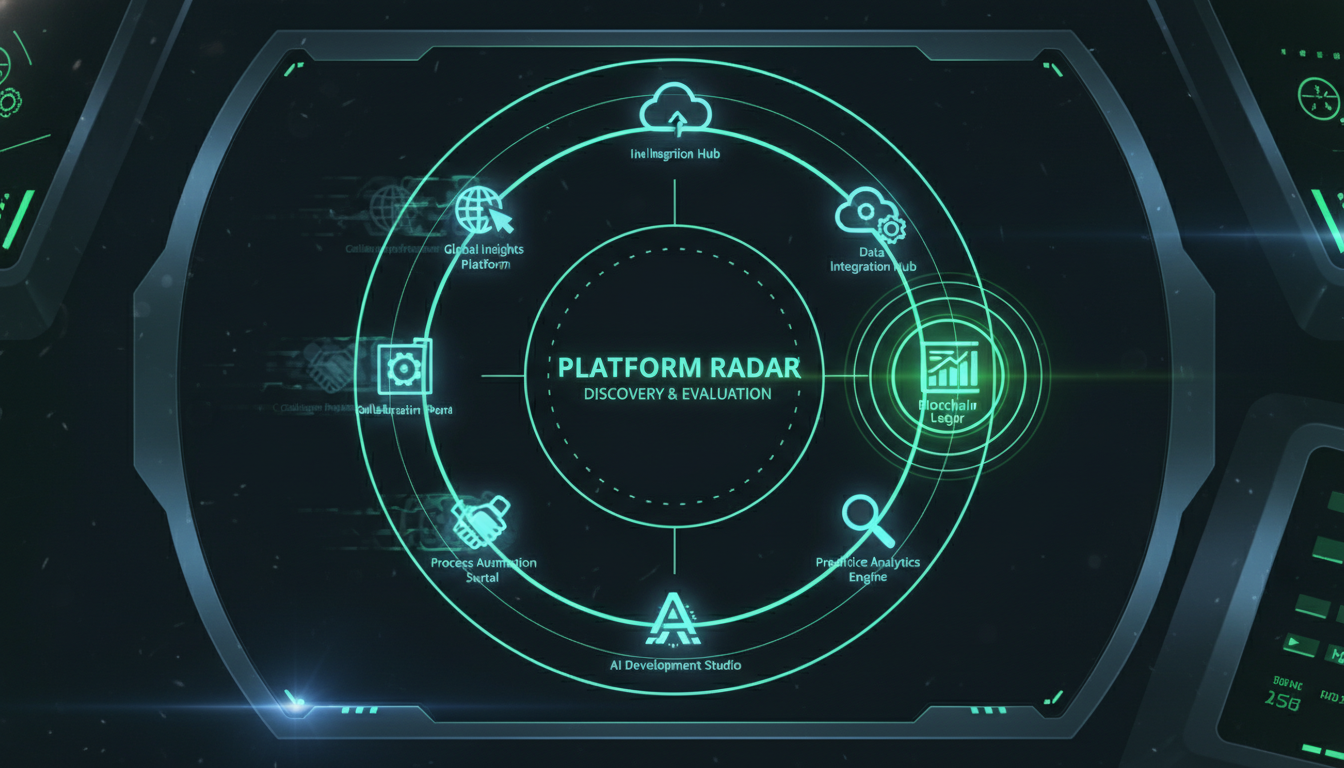
Developing Your Own ‘Platform Radar’
Spotting useful platforms isn’t just about following a checklist; it’s also about cultivating an ongoing mindset of curiosity, critical thinking, and continuous learning. Your ‘platform radar’ improves with practice and exposure.
Stay Informed, But Skeptical
Follow reputable tech news sources, industry blogs, and thought leaders, but always approach new announcements with a healthy dose of skepticism. Understand that many articles are designed to generate buzz, not necessarily to provide an objective assessment of utility. Look for in-depth analyses and user reviews rather than just launch announcements.
Experiment Regularly, But Prudently
Allocate a small amount of time each week or month to explore new tools. This could involve signing up for free trials, watching demo videos, or reading detailed breakdowns. The goal isn’t to adopt everything, but to understand the evolving landscape and identify emerging patterns or technologies that might become significant. Treat it as research, not immediate adoption.
Reflect on Your Own Needs
Periodically review your current workflows and identify persistent pain points or areas where you feel less efficient. This self-reflection creates a clear target for new platforms to address. If you don’t know what problems you’re trying to solve, every new platform will look equally appealing (or unappealing).
Learn from Others’ Experiences
Pay attention to how colleagues, peers, and respected figures in your field are using new platforms. Ask them about their experiences, both positive and negative. Their practical insights can often be more valuable than marketing materials. However, remember that what works for one person might not work for another, so always filter their experiences through your own needs.
Checklist for Initial Platform Assessment:
- Does it solve a clear, identified problem for me?
- Is the user interface intuitive and easy to navigate?
- Can I understand its core functionality within 15-30 minutes?
- Is there an active community or clear support channel?
- Does it integrate with tools I already use, or offer easy data export?
- Is its business model transparent and sustainable?
- Are there clear signs of active development and improvement?
- Does it avoid the major ‘red flags’ (e.g., excessive hype, lack of transparency)?
Conclusion: Cultivating a Mindset of Practical Discovery
The digital world will continue to evolve at a dizzying pace, bringing with it an endless stream of new platforms. Rather than feeling overwhelmed by the sheer volume, you can empower yourself with a strategic approach to discovery. By focusing on core principles like problem-solving, user experience, and community, and by actively looking for both red flags and green lights, you transform from a passive recipient of digital trends into an active, discerning explorer.
Developing your ‘platform radar’ is an ongoing journey. It requires a blend of curiosity, critical thinking, and a willingness to experiment prudently. The goal isn’t to find every new platform, but to efficiently identify those rare gems that genuinely add value, streamline your efforts, and open up new possibilities. Embrace the process of practical discovery, and you’ll find yourself not just keeping up with the digital world, but actively shaping your interaction with it in meaningful ways.